Advancing mHSPC Care: Bridging Research and Practice - A Letter from UroToday's mHSPC Center of Excellence Editor-in-Chief, Neeraj Agarwal, MD, FASCO

Neeraj Agarwal | August 28, 2024

Welcome to UroToday’s Center of Excellence on metastatic hormone-sensitive prostate cancer (mHSPC). I am honored to serve as its new editor. This multimedia Center helps audiences in the United States and worldwide stay abreast of clinical trials, real-world studies, biomarker data, regulatory approvals, and expert perspectives on this challenging, dynamic disease and treatment landscape. As therapies for patients with mHSPC evolve, real-world practice has lagged behind. Indeed, five years after the regulatory approvals of novel androgen receptor pathway inhibitors (ARPIs) for treating mHSPC, data suggest that less than half of patients are receiving them in the metastatic hormone-sensitive setting. In this editorial, I cover key data and approvals in mHSPC, what we know about real-world treatment patterns, and how we can narrow gaps between data and practice.


In the United States, the National Cancer Institute estimates that at least 8% of all prostate cancer cases are metastatic when first diagnosed (ie, de novo or synchronous mHSPC),1 and this proportion is higher in regions where prostate-specific antigen (PSA) screening is not routine and thus patients are more likely to be diagnosed only after they become symptomatic.2-4

READ MORE PREVIOUS ARTICLES

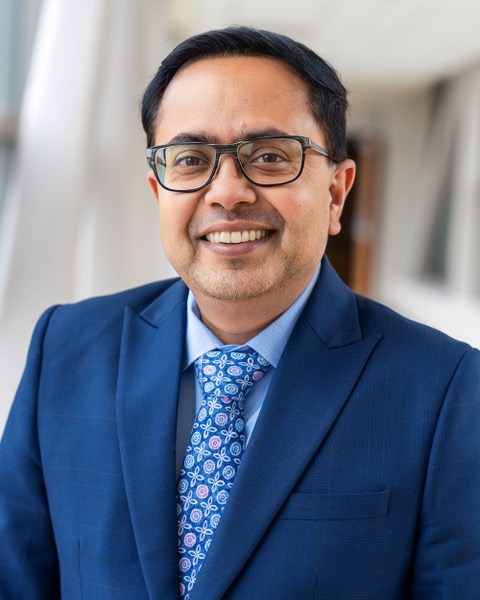
Dr. Neeraj Agarwal

Neeraj Agarwal, FASCO, MD

Dr. Neeraj Agarwal is a Professor of medicine, and a Presidential Endowed Chair of Cancer Research at the Huntsman Cancer Institute (HCI), University of Utah. He also directs the Genitourinary Oncology (GU) Program, and the Center of Investigational Therapeutics (CIT) at the HCI.

Dr. Agarwal is an internationally recognized physician scientist in the field of genitourinary cancers. He is the overall study chair of multiple Phase I/II and Phase III trials, and serves as a steering committee member of numerous other trials. He has received SWOG Young Investigator Award, the William D. Odell Young Investigator Award, and a National Cancer Institute Cancer Clinical Investigator Team Leadership Award. After receiving his medical training at the All India Institute of Medical Sciences in New Delhi, he completed a residency in internal medicine and a fellowship in geriatric medicine at the University of Iowa, followed by a hematology-oncology fellowship at HCI.

Dr. Agarwal has authored more than 450 peer-reviewed articles and book chapters. He serves as a panel member for the NCCN guideline committees for bladder and kidney cancers. He is an advisor to the Oncology Drug Advisory Committee and the United States Food and Drug Administration, and leads early therapeutics in the SWOG genitourinary cancers committee. He holds numerous scientific communications leadership roles, including chief editor of the ASCO Daily News, specialty editor for ASCO’s cancer.net site, and editorial board member of several journals, including Journal of Clinical Oncology and European Urology. He also serves as a member of the ASCO Genitourinary Cancers Advisory Panel. Recently, Dr. Agarwal was appointed as the Senior Director for Clinical Research, directly reporting to the cancer center director at the Huntsman Cancer Institute.


Videos
Clinical Conversations by Experts
Physician-Scientist Review Articles
State of the Evidence Review Articles
Written by Rashid K. Sayyid, MD MSc University of Southern California Los Angeles, CA & Zachary Klaassen, MD MSc Wellstar MCG Health Augusta, GA
November 4, 2024
In November 2023, the United States Food and Drug Administration (FDA) approved enzalutamide, with or without concurrent leuprolide therapy, for conventional imaging-defined non-metastatic hormone-sensitive prostate cancer (M0 HSPC) patients with biochemical recurrence at high risk for metastasis.
Written by Rashid Sayyid, MD, MSc, Robotic Urological Oncology Fellow, Department of Surgery, Section of Urology, University of Southern California, Los Angeles, CA & Zachary Klaassen, MD, MSc, Assistant Professor Surgery/Urology at the Medical College of Georgia at Augusta University, Wellstar MCG Health, Augusta, GA
October 15, 2024
In November 2023, the United States Food and Drug Administration (FDA) approved enzalutamide, with or without concurrent leuprolide therapy, for non-metastatic hormone-sensitive prostate cancer (M0 HSPC) patients with biochemical recurrence at high risk for metastasis.
Written by Rashid K. Sayyid, MD, MSc, University of Southern California Los Angeles, CA & Zachary Klaassen, MD MSc Wellstar MCG Health Augusta, GA
October 15, 2024
Historically, the recommended management for biochemically recurrent prostate cancer patients following maximal pelvic therapy with no metastasis on conventional imaging has been disease monitoring, with androgen deprivation therapy (ADT) reserved for metastatic disease development.
Written by Rashid K. Sayyid, MD MSc, University of Southern California, Los Angeles, CA & Zachary Klaassen, MD MSc, Wellstar MCG Health, Augusta, GA
August 29, 2024
Classical theories of metastasis have followed ‘the seed and soil’ hypothesis, the Halstedian model, which proposes an orderly spread of disease from local to distant sites, with the presumption that cancer is an inherently systemic process even in the earliest cases.
Written by Zachary Klaassen, MD, MSc Associate Professor of Urology Urologic Oncologist Medical College of Georgia, Georgia Cancer Center Augusta, GA and Rashid Sayyid, MD, MSc Urologic Oncology Fellow University of Toronto Toronto, Ontario, Canada
November 8, 2023
The last decade has seen a seismic shift in the treatment landscape of metastatic hormone sensitive prostate cancer (mHSPC). This includes several guideline and FDA approved doublet therapy options, triplet therapy options, and treatment with radiotherapy to the primary tumor.
Written by Rashid Sayyid, MD, MSc and Zachary Klaassen, MD, MSc
June 28, 2023
Written by Rashid K. Sayyid, MD MSc and Zachary Klaassen, MD MSc
February 24, 2023
Written by Rashid K. Sayyid, MD MSc and Zachary Klaassen, MD,MSc
February 22, 2023
Written by Rashid K. Sayyid, MD MSc and Zachary Klaassen, MD,MSc
February 2, 2023
Written by Rashid K. Sayyid, MD, MSc and Zachary Klaassen, MD, MSc
February 2, 2023
Written by Zachary Klaassen, MD, MSc and Rashid K. Sayyid, MD, MSc
August 17, 2022

The treatment landscape of metastatic hormone sensitive prostate cancer (mHSPC) has evolved rapidly since the introduction of combination chemohormonal therapy with docetaxel and androgen deprivation therapy (ADT) in 2015.1


Written by Rashid K. Sayyid, MD, MSc, and Zachary Klaassen, MD, MSc
August 17, 2022
Since 2015, the metastatic hormone sensitive prostate cancer (mHSPC) disease space now has several options of doublet and triplet therapy, using ADT as the backbone of treatment, leading to an overall survival (OS) advantage versus ADT alone. Thus, this has changed the standard of care
Written by Rashid K. Sayyid, MD, MSc & Zachary Klaassen, MD, MSc
August 17, 2022
The treatment landscape of advanced prostate cancer continues to evolve, particularly over the last 5+ years. Although there are several treatment options, including both ADT-based doublet and triplet combinations, available for men with metastatic hormone
Physician-Scientist Commentaries
Peer-reviewed Abstract Supplemental Commentaries
Written by Benjamin L. Maughan, MD, PharmD, & Lawrence I. Karsh, MD,
Metastatic castration-sensitive prostate cancer (mCSPC) is incurable, and the aim of treatment is tumor suppression to prolong survival.1For patients with mCSPC, androgen deprivation therapy alone (ADT) continues to be used widely despite the availability of newer and more effective therapies. Androgen receptor pathway inhibitors, also known as ARPIs, in combination with ADT, have become available over the last decade. Clinical trials of ARPIs show that these treatments are more efficacious as life-prolonging therapies for patients with mCSPC than ADT alone.2-6
Written by Arun Azad, MBBS PhD FRACP
The treatment of metastatic prostate cancer has seen a paradigm shift, particularly in the management of metastatic hormone sensitive prostate cancer (mHSPC). The developments come not only on the fronts of systemic agents but also in the area of therapy to primary tumour and metastases.
Conference Coverage
Conference Highlights Written by Physician Scientists
Presented by Neeraj Agarwal, MD, FASCO
The 2026 American Society of Clinical Oncology Genitourinary (ASCO) Annual Meeting held in Chicago, IL, was host to the Prostate, Testicular, and Penile Cancer - Oral Abstracts. Dr. Neeraj Agarwal presented Abstract LBA5007: TALAPRO-3: Talazoparib + enzalutamide compared with placebo + enzalutamide for the treatment of patients with mCSPC harboring HRR gene alterations.
Presented by Christopher Sweeney, MBBS
The 2026 American Society of Clinical Oncology Genitourinary (ASCO) Annual Meeting held in Chicago, IL, between Fri, May 29 – Tues, Jun 2, 2026, was host to the Prostate, Testicular, and Penile Cancer - Oral Abstracts. Dr. Christopher Sweeney presented Abstract 5001: Assessment of the ability of Decipher Prostate Genomic Classifier >0.85 to identify patients who benefit from adding docetaxel to ADT + enzalutamide: Level 1B evidence from the ENZAMET study.
Presented by Fred Saad, MD, FRCSC
The 2026 American Urological Association (AUA) Annual Meeting featured a podium presentation by Dr. Fred Saad reporting prostate-specific antigen (PSA) endpoints from the phase 3 PSMAddition trial evaluating Lutetium Lu 177 vipivotide tetraxetan ([177Lu]Lu-PSMA-617) in combination with androgen deprivation therapy (ADT) and an androgen receptor pathway inhibitor (ARPI) for patients with prostate-specific membrane antigen (PSMA)-positive metastatic hormone-sensitive prostate cancer (mHSPC).
Presented by Yosuke Yasuda, MD
The 2026 American Urologic Association (AUA) Annual Meeting was host to an advanced prostate cancer poster session. Dr. Yosuke Yasuda presented the results of a propensity-weighted and Bayesian restricted mean survival time (RMST) analysis of the prospective YUSHIMA Registry evaluating real-world outcomes of triplet intensification in high-volume, metastatic hormone-sensitive prostate cancer (mHSPC) in Japanese patients.
Presented by Jacqueline Brown, MD
The 2026 American Urological Association annual meeting featured the International Prostate Forum and a presentation by Dr. Jacqueline Brown discussing doublet versus triplet and who needs additional treatment intensification for metastatic hormone-sensitive prostate cancer (mHSPC).
Presented by Soichiro Yoshida, MD, PhD
The American Urological Association's 2026 Annual Meeting, was host to the Interactive Poster IP38: Prostate Cancer: Advanced I Session. Dr. Soichiro Yoshida presented interactive poster IP38-13: Does Triplet Therapy Improve Survival in Metastatic Hormone-Sensitive Prostate Cancer? A Bayesian Individual Patient Data Reanalysis.
(UroToday.com) The 2026 American Urological Association annual meeting featured practice-changing, paradigm-shifting clinical trials in urology and a presentation by Dr. Rana McKay discussing data from ARASEC, a US prospective, open-label, phase 2 study with an external control assessing darolutamide + ADT in metastatic hormone-sensitive prostate cancer (mHSPC).
Presented by Joaquin Mateo, MD, PhD
The 2026 Advanced Prostate Cancer Consensus Conference (APCCC) meeting featured a management of metastatic hormone sensitive prostate cancer (mHSPC) session and a presentation by Dr. Joaquin Mateo discussing how to test for relevant molecular alterations in mHSPC.
Presented by Shahneen Sandhu, MBBS, FRACP
The 2026 Advanced Prostate Cancer Consensus Conference (APCCC) meeting featured a management of metastatic hormone-sensitive prostate cancer (mHSPC) session and a presentation by Dr. Shahneen Sandhu discussing how to select patients with mHSPC for ADT plus an androgen receptor pathway inhibitor plus a targeted therapy.
Presented by Channing Paller, MD
The 2026 Advanced Prostate Cancer Consensus Conference (APCCC) meeting featured a monitoring session and a presentation by Dr. Channing Paller discussing monitoring in metastatic hormone sensitive prostate cancer (mHSPC). Monitoring in mHSPC includes blood markers (PSA, LDH, alkaline phosphatase), imaging (whole body MRI, CT/bone scan, and PSMA PET), and discordant progression when radiographic and/or clinical progression occur without PSA progression.
Presented by Mika P. Matikainen, DMedSc
The 2026 Advanced Prostate Cancer Consensus Conference (APCCC) meeting featured a management of metastatic hormone-sensitive prostate cancer (mHSPC) session and a presentation by Dr. Mika Matikainen discussing updates on de-escalation treatment strategies.
Presented by Dana Rathkopf, MD
The 2026 Advanced Prostate Cancer Consensus Conference (APCCC) meeting featured a management of metastatic hormone-sensitive prostate cancer (mHSPC) session and a presentation by Dr. Dana Rathkopf discussing the considerations for selection of androgen receptor pathway inhibitors in older patients with mHSPC.
Presented by David Fisher
The 2026 Advanced Prostate Cancer Consensus Conference (APCCC) meeting featured a poster session and a presentation by David Fisher discussing a STOPCAP meta-analysis of individual participant data assessing which patients with metastatic hormone sensitive prostate cancer (mHSPC) benefit from androgen receptor pathway inhibitors. Effects of adding androgen receptor pathway inhibitors to ADT may be modified by clinical features of mHSPC. This STOPCAP collaborative meta analysis of individual participant data aimed to investigate if patient or tumor characteristics influence androgen receptor pathway inhibitor efficacy, and determine who benefits most.
Presented by Tyler Seibert, MND, PhD
The 2026 Advanced Prostate Cancer Consensus Conference (APCCC) meeting featured a management of metastatic hormone-sensitive prostate cancer (mHSPC) session and a presentation by Dr. Tyler Seibert discussing radiation therapy of the primary in patients with mHSPC.
Presented by Karim Fizazi, MD, PhD
The 2026 APCCC meeting featured a management of metastatic hormone sensitive prostate cancer (mHSPC) session and a presentation by Dr. Karim Fizazi discussing patients that should receive triplet systemic therapy. Why should we favor triplet therapy in de novo mHSPC?
Presented by Ian D. Davis, MBBS(Hons), PhD, FRACP
The 2026 Advanced Prostate Cancer Consensus Conference (APCCC) meeting featured a management of metastatic hormone sensitive prostate cancer (mHSPC) session and a presentation by Dr. Ian Davis discussing the relevant endpoints from a clinical point of view.
Presented by Giulia Marvaso, MD
The 2026 EAU annual meeting featured a plenary prostate cancer session and a presentation by Dr. Giulia Marvaso discussing the optimal management of oligorecurrent disease, and that we should irradiate all oligorecurrent lesions. Dr. Marvaso’s discussion was based on a prior case presentation of a 61 year old fit man with oligo-recurrent prostate cancer after radical prostatectomy, with a PSA of 1.5 ng/mL (PSA doubling time: 3 months) and 3 PSMA positive pelvic lymph node metastases.
Presented by Henk van der Poel, MD, PhD
The 2026 European Association of Urology (EAU) annual meeting featured a plenary prostate cancer session and a presentation by Dr. Henk van der Poel discussing the optimal management of oligorecurrent disease, which is to use radioguided surgery to take out all oligorecurrent lesions.
Presented by Barbara Alicja Jereczek-Fossa, MD, PhD
The 2026 EAU annual meeting featured a plenary prostate cancer session and a state-of-the-art lecture by Dr. Barbara A. Jereczek-Fossa discussing who can really benefit from metastasis-directed therapy. When discussing oligorecurrent prostate cancer, 

what we are treating is Biochemical recurrence after primary treatment, Limited metastases (commonly <=3-5 lesions), Lesions detectable mainly by PSMA PET, and Often low tumor burden, hormone-sensitive patients.

Presented by Bertrand Tombal, MD, PhD

The 2026 EAU annual meeting featured a plenary prostate cancer session and a state-of-the-art lecture by Dr. Bertrand Tombal discussing the road to cure and whether intensification matters. Dr. Tombal started by emphasizing that systemic intensification in oligorecurrent disease is reliant on whether oligo-progression is based on conventional imaging or based on modern imaging. For patients with oligo-progressive disease based on conventional imaging, these patients have low volume asynchronous prostate cancer, ADT + an androgen receptor pathway inhibitor is the standard of care. 

Presented by Amar Kishan, MD
The 2026 European Association of Urology (EAU) annual meeting featured a plenary prostate cancer session and a presentation by Dr. Amar Kishan discussing the optimal management of de-novo oligometastatic disease and treating everything we can see with radiotherapy.
Presented by Markus Graefen, MD
The 2026 European Association of Urology (EAU) annual meeting featured a plenary prostate cancer session and a presentation by Dr. Markus Graefen discussing the optimal management of de-novo oligometastatic disease and that surgery is still an option in 2026.
Presented by Jozefina Casuscelli, MD
The 2026 European Association of Urology (EAU) annual meeting featured a plenary prostate cancer session and a presentation by Dr. Jozefina Casuscelli discussing the optimal management of de-novo oligometastatic disease and asserting that intensified systemic therapy is still mandatory.
Presented by Neal D. Shore, MD, FACS
At the 2026 ASCO Genitourinary Cancers Symposium, Dr. Neal Shore presented results from the first safety-focused matching-adjusted indirect comparison (MAIC) evaluating darolutamide plus androgen deprivation therapy (DAR+ADT) versus other androgen receptor pathway inhibitor (ARPI)–based regimens in metastatic castration-sensitive prostate cancer (mCSPC).
Presented by Shalini Moningi, MD,
The 2026 ASCO GU cancers symposium held in San Francisco, CA, was host to the Poster Session A: Prostate Cancer. Dr. Shalini Moningi presented Poster 224: Examination of Decipher prostate genomic classifier in patients with de novo metastatic disease from a large scale real-world clinical and transcriptomic data linkage.
Presented by Christopher Sweeney, MBBS
The 2026 American Society of Clinical Oncology Genitourinary (ASCO GU) cancers symposium held in San Francisco, CA, between February 26th and 28th, 2026, was host to the session Treatment Selection, Response Assessment, and Monitoring Across the Spectrum of Advanced Prostate Cancer. Dr. Christopher Sweeney delved into Making Sense of Many Options for Metastatic Hormone Sensitive Prostate Cancer Treatment Selection.
Presented by Rana McKay, MD
The 2025 SUO annual meeting featured a prostate cancer session and a presentation by Dr. Rana McKay discussing emerging frontiers in metastatic prostate cancer.
Presented by Alexandra Sokolova, MD
The 2025 SUO annual meeting featured a prostate cancer trials in progress session and a presentation by Dr. Alexandra Sokolova discussing the TRIPLE-SWITCH(SWOG/CCTG-PR26) trial, a randomized phase III clinical trial of docetaxel with androgen receptor pathway inhibitors for metastatic castration-sensitive prostate cancer (mCSPC) patients with a suboptimal PSA response.
Presented by Karim Fizazi, MD, PhDKarim Fizazi, MD, PhD
The 2025 European Society for Medical Oncology (ESMO) Annual Congress was host to a prostate, penile, and testicular cancers proffered paper session. Dr. Karim Fizazi presented CAPItello-281, a phase III trial of capivasertib + abiraterone versus placebo + abiraterone in PTEN-deficient patients with de novo metastatic hormone-sensitive prostate cancer (mHSPC).
Presented by  Scott T. Tagawa, MD, MS, FACP, FASCO
The 2025 European Society for Medical Oncology (ESMO) Annual Congress, held in Berlin, Germany, between October 17th and 21st, 2025, was host to a presidential symposium. Dr. Scott Tagawa presented PSMAddition, a phase III trial of [177Lu]Lu-PSMA-617 combined with androgen deprivation therapy (ADT) plus an androgen receptor pathway inhibitor (ARPI) in patients with PSMA-positive metastatic hormone-sensitive prostate cancer (mHSPC).
Presented by Neeraj Agarwal, MD, FASCO
The 2025 European Society of Medical Oncology (ESMO) Annual Congress held in Berlin, Germany, was host to the Poster presentation session. Dr. Neeraj Agarwal presented the poster Real-world Overall Survival (OS) in US-Based Patients with Metastatic Hormone-Sensitive Prostate Cancer (mHSPC).
Presented by Jeremie Calais, MD, MSc, PhD
The 2025 European Society of Medical Oncology (ESMO) Annual Congress held in Berlin, Germany between September 17th and 21st was host to the session Proffered Paper Session: Radioligand Therapeutics. Dr. Jeremie Calais presented the LBA90: 177Lutetium-PSMA Therapy Neoadjuvant to Stereotactic Ablative Radiotherapy for Recurrent Oligo-Metastatic Hormone Sensitive Prostate Cancer: a Randomized Phase 2 trial (LUNAR)
Presented by Pasquale Rescigno, MD
The 2025 European Society of Medical Oncology (ESMO) Annual Congress held in Berlin, Germany between September 17th and 21st was host to the session Mini oral session: GU tumours, prostate, penile and testis. Dr. Pasquale Rescigno was the invited Discussant for abstracts 2348MO and 2385MO.
Presented by Yüksel Ürün, MD
The 2025 European Society of Medical Oncology (ESMO) Annual Congress held in Berlin, Germany, was host to the session Mini oral session: GU tumours, prostate, penile and testis. Dr. Yüksel Ürün was the Invited Discussant of LBA91, 2420MO, and LBA92 mHSPC in 2025: More, Less, or Smarter?
Presented by Arun Azad, MBBS, PhD, FRACP
The 2025 European Society of Medical Oncology (ESMO) Annual Congress held in Berlin, Germany between September 17th and 21st was host to the session Mini oral session: GU tumours, prostate, penile and testis. Dr. Arun Azad presented the First interim efficacy analysis of the Phase 1/2 PETRANHA trial of saruparib + androgen receptor pathway inhibitors (ARPI) in patients (pts) with metastatic prostate cancer.
Presented by Marc-Oliver Grimm, MD
The 2025 European Society of Medical Oncology (ESMO) Annual Congress held in Berlin, Germany between September 17th and 21st was host to the session Mini oral session: GU tumours, prostate, penile and testis. Dr. Marc-Oliver Grimm presented the LBA92 - 3-Weekly Docetaxel 75 mg/m2 vs 2-Weekly Docetaxel 50 mg/m2 in Combination with Darolutamide + ADT in Patients with mHSPC – Results from the Randomised Phase 3 ARASAFE Trial.
Presented by Peter J. Godolphin, MSc, PhD
(UroToday.com) The 2025 European Society of Medical Oncology (ESMO) Annual Congress held in Berlin, Germany, was host to the session Mini oral session: GU tumours, prostate, penile and testis. Dr. Peter J. Godolphin discussed Effects of prostate radiotherapy (RT) on synchronous, metastatic, hormone-sensitive prostate cancer (mHSPC): STOPCAP meta-analysis of individual participant data (IPD).
Presented by Eric H. Bent, MD
The 2025 ASCO annual meeting featured a prostate cancer rapid oral abstract session and a presentation by Dr. Eric Bent discussing results the phase II Metacure trial assessing intensified hormonal blockade with stereotactic body radiotherapy in PSMA-PET detected oligometastatic prostate cancer.
Presented by Neal Shore, MD, FACS
The AUA 2025 Annual Meeting was host to an advanced prostate cancer podium session. Dr. Neal Shore presented the results of a real-world study evaluating time-to-next treatment and castration-resistance in mCSPC patients treated with (ARPIs.
Presented by Elena Castro, MD, PhD
The 2025 EAU annual meeting featured a game changer session and a discussant presentation by Dr. Elena Castro discussing “PSA response with darolutamide plus ADT in patients with mHSPC in ARANOTE” presented by Dr. Fred Saad. In ARANOTE, patients on darolutamide who achieved an undetectable PSA had a lower risk of radiological progression or death compared to patients on darolutamide who did not achieve an undetectable PSA (HR 0.19, 95% CI 0.13-0.27).
Presented by Fred Saad, MD, FRCS
The 2025 EAU annual meeting featured a game changer session and a presentation by Dr. Fred Saad discussing PSA response with darolutamide plus ADT in patients with metastatic hormone sensitive prostate cancer (mHSPC) in ARANOTE.
Presented by Alicia Morgans, MD, MPH
The 2025 EAU annual meeting featured a prostate cancer session and a presentation by Dr. Alicia Morgans discussing the impact of baseline PSA on clinical outcomes in patients with metastatic hormone sensitive prostate cancer (mHSPC) treated with darolutamide triplet therapy in ARASENS. In ARASENS, ADT + docetaxel + darolutamide significantly reduced the risk of death by 32.5% (HR 0.68, 95% CI 0.57-0.80) versus ADT + docetaxel + placebo in patients with mHSPC.1
Presented by Karim Fizazi, MD, PhD & Bertrand Tombal, MD, PhD
The 2025 European Association of Urology (EAU) Annual Congress held in Madrid, Spain between March 21st and 24th 2025, was host to an ‘Advanced Prostate Cancer Consensus Conference (APCCC) Meets EAU’ thematic session. Drs. Karim Fizazi and Bertrand Tombal discussed the pros and cons of de-escalation of systemic therapy in metastatic hormone-sensitive prostate cancer (mHSPC) patients with a deep response to androgen deprivation therapy (ADT) plus an androgen receptor pathway inhibitor (ARPI).
Presented by Karim Fizazi, MD, PhD
The 2025 European Association of Urology (EAU) Annual Meeting held in Madrid, Spain between March 21st and 24th 2025, was host to the clinically relevant questions in the management of advanced, hormone-sensitive prostate cancer: Thematic session. Dr. Karim Fizazi delved into when to stop combined treatments in patients with high-volume disease at hormone sensitive prostate cancer with good response to therapy.
Presented by Karim Fizazi, MD, PhD
The 2025 European Association of Urology (EAU) Annual Meeting held in Madrid, Spain was host to the clinically relevant questions in the management of advanced, hormone-sensitive prostate cancer: Thematic session. Dr. Karim Fizazi delved into why local treatment still matters for high-volume de novo metastatic hormone-sensitive prostate cancer.
Presented by  Maria De Santis, MD
The 2025 European Association of Urology (EAU) Annual Meeting held in Madrid, Spain, was host to the clinically relevant questions in the management of advanced, hormone-sensitive prostate cancer: Thematic session. Dr. Maria De Santis presented Trial updates on Intensified approaches with triple therapy other than taxanes.
Presented by Tanya B. Dorff, MD
Dr. Tanya Dorff discusses two abstracts: “Final overall survival with talazoparib + enzalutamide as first-line treatment in unselected patients with mCRPC in the phase 3 TALAPRO-2 trial” and “Which patients with mHSPC benefit more from androgen receptor pathway inhibitors? STOPCAP meta-analyses of individual participant data."
Presented by Rana McKay, MD
 The 2025 American Society of Clinical Oncology Genitourinary (ASCO GU) cancers symposium held in San Francisco, CA between February 13th and 15th 2025, was host to the Poster Session A: Prostate Cancer. Dr. Rana McKay presented Clinical use and outcomes of androgen-receptor pathway inhibitors triplet therapy for metastatic hormone-sensitive prostate cancer (ARAAT).
Presented by David J. Fisher
The 2025 GU ASCO annual meeting featured a prostate cancer session and a presentation by David Fisher discussing a STOPCAP meta-analyses of individual participant data assessing which patients with metastatic hormone-sensitive prostate cancer (mHSPC) benefit more from androgen receptor pathway inhibitors. There is clear evidence from large, high quality trials that adding an androgen receptor pathway inhibitor to standard of care substantially improves outcomes.
Presented by Fred Saad, MD, FRCS
 The 2025 GU ASCO annual meeting featured a prostate cancer session and a presentation by Dr. Fred Saad discussing a subgroup analysis of the phase 3 ARANOTE trial assessing darolutamide + ADT in patients with metastatic hormone-sensitive prostate cancer (mHSPC) by disease volume. Darolutamide + ADT significantly reduced the risk of radiological progression or death by 46% (HR 0.54, 95% CI 0.41–0.71; p < 0.0001) versus placebo plus ADT in patients with mHSPC in the ARANOTE trial.
Presented by Niven Mehra, MD
The 2024 ESMO annual meeting included a session on prostate cancer, featuring a discussion presentation by Dr. Niven Mehra discussing three abstracts including “Efficacy and safety of darolutamide plus ADT in patients with mHSPC from the phase 3 ARANOTE trial” by Dr. Fred Saad, “Prostate cancer efficacy results from a randomized phase 3 evaluation of transdermal estradiol versus LHRH agonists for androgen suppression in M0 prostate cancer” by Dr. Ruth Langley, and “Phenotypic and genomic characterization of de novo metastatic prostate cancer: an ancillary study of the PEACE-1 phase 3 trial” by Dr. Cedric Pobel.
Presented by Fred Saad, MD, FRCSC
(UroToday.com) The 2024 ESMO annual meeting included a session on prostate cancer, featuring a presentation by Dr. Fred Saad discussing the efficacy and safety of darolutamide plus ADT in patients with mHSPC from the phase 3 ARANOTE trial. Eligible patients had mHSPC by conventional imaging, an ECOG performance status of 0–2, and started ADT ≤ 12 weeks.
Presented by Silke Gillessen, MD
The 2024 ESMO annual meeting included a session on prostate cancer, featuring a presentation by Dr. Silke Gillessen discussing results from STAMPEDE assessing the addition of metformin to ADT for patients with mHSPC.
Presented by Rana McKay, MD
At the 2024 ESMO Annual Congress Dr. Rana McKay delivered the discussant session for CONTACT-02 and the post-hoc analysis of STAMPEDE Docetaxel assessing Decipher® as a potential predictive biomarker for overall survival in metastatic hormone sensitive prostate cancer (mHSPC) patients receiving docetaxel doublet therapy.
Presented by Emily Grist, MBBS, PhD
 The 2024 ESMO Annual Congress was host to a proffered paper session for prostate cancer. Dr. Emily Grist presented the results of an ancillary study of the STAMPEDE Docetaxel trial evaluating the genomic classifier Decipher® mRNA score for predicting a survival benefit with docetaxel doublet therapy intensification for metastatic hormone sensitive prostate cancer (mHSPC) patients.
Presented by Arun Azad, PhD, MBBS, FRACP
Dr. Arun Azad presented the results of UpFrontPSMA, a randomized phase II trial of sequential 177Lu-PSMA-617 plus docetaxel versus docetaxel in metastatic hormone-sensitive prostate cancer (mHSPC). This study was concurrently published in The Lancet Oncology on September 15, 2024.
Presented by Joaquin Mateo, MD, PhD
The 2024 European Society of Medical Oncology (ESMO) Annual Congress held in Barcelona, Spain between September 13th and 17th was host to the presentation of Poster 1601. Dr. Joaquin Mateo presented the first results from ZZFIRST. A randomized phase II trial of enzalutamide with or without talazoparib in metastatic hormone-naïve prostate cancer (mHNPC).
Presented by Marc-Oliver Grimm, MD
Marc-Oliver Grimm, MD, discussed a post hoc analysis of ARASENS discussing post-progression survival of patients with metastatic hormone-sensitive prostate cancer (mHSPC) who received darolutamide or placebo.
Presented by Benjamin H. Lowentritt, MD, FACS
Dr. Benjamin Lowentritt presented a study evaluating darolutamide real-world doublet and triplet utilization in metastatic hormone sensitive prostate cancer (mHSPC), within the context of a US community urology setting.
Presented by Karim Fizazi, MD, PhD
The 2024 EAU annual meeting featured a plenary session on personalized approaches in high-risk and metastatic prostate cancer, and a state of the art lecture by Dr. Karim Fizazi discussing how to personalize treatment in metastatic hormone sensitive prostate cancer (mHSPC).
Presented by Benjamin H. Lowentritt, MD, FACS
Dr. Benjamin Lowentritt discussed a real-world comparison of PSA response in patients with mCSPC treated with apalutamide or enzalutamide. Deep PSA response, evaluated as ≥90% PSA decline (PSA90), is an important outcome after androgen receptor synthesis inhibitor initiation.
Presented by Neeraj Agarwal, MD
The 2024 ASCO GU symposium was host to a prostate cancer poster session. Neeraj Agarwal, MD, presented the results of a statistical extrapolation analysis of the TITAN study estimating median overall survival of metastatic hormone-sensitive prostate cancer (mHSPC)
Presented by  Fred Saad, MD, FRCS
During the 2023 ESMO annual congress Dr. Fred Saad presented the results of a secondary analysis of ARASENS evaluating PSA outcomes with darolutamide + docetaxel + ADT triplet therapy in patients with high- and low-volume metastatic hormone-sensitive prostate cancer (mHSPC).
Presented by Neal Shore, MD, FACS
The 2023 ASCO annual meeting included a prostate cancer session, featuring a trials-in-progress presentation by Dr. Neal Shore discussing ARASEC, an open-label study of darolutamide plus ADT vs ADT in metastatic hormone-sensitive prostate cancer (mHSPC) using an external control arm.
Presented by Alice Bernard-Tessier, MD
The 2022 ESMO annual meeting featured a prostate cancer session, including a presentation by Dr. Alice Bernard-Tessier discussing the results of the PEACE-1 trial, specifically the effect of abiraterone-prednisone in mCSPC with neuroendocrine and very high-risk features.
Presented by Rana R. McKay, MD
The 2022 ESMO annual meeting featured a prostate cancer session, including a presentation by Dr. Rana McKay discussing the trial protocol for CYCLONE 3, a phase 3, randomized, double-blind, placebo-controlled study of abemaciclib in combination with abiraterone + prednisone in men with high-risk metastatic hormone sensitive prostate cancer (mHSPC).
Presented by Ursula M. Vogl, MD, MBA
The 2022 EAU annual meeting featured a joint session of the EAU, EANM, ESMO, and ESTRO societies examining modern diagnostic and therapeutic approaches in prostate cancer, including a presentation by Dr. Ursula Vogl discussing the treatment landscape of hormone sensitive recurrent M1 prostate cancer.
Presented by Neal D. Shore, MD, FACS
The 2022 ASCO annual meeting featured a session on prostate cancer, including a trial in progress presentation by Dr. Neal Shore discussing ARASEC, an open-label study of androgen receptor inhibition with darolutamide + ADT versus ADT in men with metastatic hormone-sensitive prostate cancer (mHSPC) using an external control arm.
Presented by Ian Davis MB, BS, PhD, FRACP, FAChPM

The 2022 ASCO annual meeting featured an oral abstract session on prostate cancer, including a presentation by Dr. Ian Davis discussing updated overall survival outcomes in ENZAMET (ANZUP 1304), an international, cooperative group trial of enzalutamide in mHSPC. 

Presented by Bertrand Tombal, MD, PhD
The 2022 Advanced Prostate Cancer Consensus Conference (APCCC) Hybrid Meeting included a session on the management of metastatic hormone sensitive prostate cancer (mHSPC) and a presentation by Dr. Bertrand Tombal discussing de-escalation strategies in mHSPC. Dr. Tombal started his presentation by highlighting the current landscape of advanced prostate cancer as it stands in 2022:
Presented by Andrew Armstrong, MD
The 2022 Advanced Prostate Cancer Consensus Conference (APCCC) Hybrid Meeting included a session on the management of metastatic hormone sensitive prostate cancer (mHSPC) and a presentation by Dr. Andrew Armstrong discussing the uptake of new treatment options for mHSPC in real life, including education, access, use, and diversity.
Presented by Christopher Sweeney, MBBS
The 2022 Advanced Prostate Cancer Consensus Conference (APCCC) Hybrid Meeting included a session on the management of metastatic hormone sensitive prostate cancer (mHSPC) and a presentation by Dr. Christopher Sweeney discussing treatment intensification strategies in mHSPC, specifically triplet therapies. Dr. Sweeney started by highlighting that there are several life-prolonging treatment options for men with mHSPC.
Presented by Daniel Spratt, MD
In the session of the 2022 Advanced Prostate Cancer Consensus Conference focusing on the treatment of patients with oligometastatic and oligoprogressive prostate cancer, Dr. Spratt discussed the evidence for metastasis directed therapy (MDT) in patients with synchronous and metachronous metastatic hormone sensitive prostate cancer (mHSPC).
Presented by Alicia Morgans, MD, MPH
 The 2022 Advanced Prostate Cancer Consensus Conference (APCCC) Hybrid Meeting included a session on the management of metastatic hormone sensitive prostate cancer (mHSPC) and a presentation by Dr. Alicia Morgans discussing the treatment of vulnerable/frail patients with mHSPC.
Presented by Pedro Barata, MD, MSc
Dr. Barata and colleagues gathered data from patients by 50 participating physicians, each who aggregated information on four patients with mCSPC and four patients with mCRPC, a subset of the latter who had treatment information from their mCSPC disease.
Presented by Joaquin Mateo MD, PhD
Dr. Joaquin Mateo described the rationale and design for the ZZFIRST trial, examining enzalutamide and talazoparib for the treatment of metastatic hormone-naïve prostate cancer (mHNPC).
Presented by A. Oliver Sartor, MD
A. Oliver Sartor presented the rationale and design of the PSMAddition trial. The PSMAddition trial is an international, prospective, open-label, randomized, phase 3 trial in adults with mHSPC.
Presented by Dayanand Sharma, MD, DNB,
Dr. Sharma presented the design of the ARANOTE trial, assessing darolutamide and androgen deprivation therapy (ADT), as compared to ADT alone in patients with metastatic hormone-sensitive prostate cancer (mHSPC).
Presented by Guilhem Roubaud, MD
Dr. Roubaud presented an analysis of bone mineral density in men treated on the PEACE-1 trial. In terms of assessing the toxicity of abiraterone acetate and prednisone, a planned study amendment sought to analyze whether the addition of abiraterone acetate and prednisone was associated with increased bone loss.
Presented by Matthew Raymond Smith, PhD, MD

Darolutamide is a related, but structurally distinct, androgen receptor inhibitor which has demonstrated improved metastasis-free survival and overall survival in patients with nonmetastatic castration-resistant prostate cancer (CRPC). In an oral abstract presentation Dr. Smith presented the first results of the ARASENS trial which examined darolutamide in combination with docetaxel and ADT

Presented by Matthew R. Smith, MD, PhD
(UroToday.com) In this presentation, Dr. Smith presented results of the ARASENS study. ARASENS is a randomized phase 3 trial of darolutamide versus placebo in combination with docetaxel and androgen-deprivation therapy (ADT) for metastatic hormone-sensitive prostate cancer (mHSPC). 
Presented by Heather Payne, MBBS, FRCP, FRCR
In a session entitled Clearer Vision chaired by Dr. Bertrand Tombal at the 2021 ANZUP Annual Scientific Meeting, Dr. Heather Payne discussed issues relating to the care of men with metastatic hormone-sensitive prostate cancer (mHSPC).
Presented by Nick James, MBBS, PhD, and Bertrand Tombal, MD, PhD
In this session, Dr. Bertrand Tombal and Dr. Nick James summarized the panel responses to the consensus questions. This was followed by a discussion on the management of metastatic hormone sensitive prostate cancer (mHSPC) with input from the discussants and the panel.
Presented by Ian Davis, MBBS, PhD, FRACP, FAChPM
In this session, Dr. Ian Davis reviewed the evidence for “triplet therapy” comprising ADT plus docetaxel plus additional systemic therapy in metastatic hormone sensitive prostate cancer (mHSPC).
Presented by Karim Fizazi, MD, PhD
In this session, Dr. Karim Fizazi reviewed evidence for “triplet therapy” comprising ADT plus radiation (RT) to the primary plus additional systemic therapy in metastatic hormone sensitive prostate cancer (mHSPC).
Presented by Karim Fizazi, MD, PhD
In this presentation, Dr. Karim Fizazi discussed updated results of PEACE-1, a randomized Phase 3 trial in men with de novo metastatic castration-sensitive prostate cancer (mCSPC). This update focused on the overall survival (OS) for men treated with or without abiraterone plus prednisone (AAP).
Presented by Andrew J. Armstrong, MD
(UroToday.com) In the Proffered Paper Session of the ESMO Annual Congress focusing on prostate cancer, Dr. Andrew Armstrong presented the final overall survival analysis from the ARCHES trial of enzalutamide in men with metastatic hormone-sensitive prostate cancer (mHSPC).
Presented by Peter J. Goebell, MD, PhD
The ESMO 2021 virtual annual meeting’s prostate cancer session included a presentation by Dr. Peter Goebell discussing real-world treatment patterns among patients with metastatic hormone-sensitive prostate cancer (mHSPC).
Presented by Daniel J. George, MD
The ESMO 2021 annual meeting’s prostate cancer session included a presentation by Dr. Daniel George presenting data assessing real-world utilization of advanced therapies by metastatic site and age among patients with metastatic castration-sensitive prostate cancer (mCSPC).
Presented by Christopher Sweeney, MBBS
The treatment for metastatic hormone-sensitive prostate cancer plenary session at the EAU 2021 Annual Meeting included a presentation by Dr. Christopher Sweeney discussing when and how to use systemic treatment for recurrent metastatic hormone-sensitive prostate cancer (mHSPC).
Presented by Declan Murphy, MB, BCH, BaO, FRACS, FRCS
At the European Association of Urology (EAU) 2021 Annual Meeting’s plenary session on the treatment for metastatic hormone-sensitive prostate cancer, Dr. Declan Murphy presented a state of the art lecture on the role of modern imaging for de novo versus recurrent metastatic hormone-sensitive prostate cancer (mHSPC).
Presented by Lisa Horvath, PhD, MBBS, FRACP
 In this summary of the preceding three presentations, Dr. Lisa Horvath showed where each abstract falls within the natural history of prostate cancer. Regarding the first presentation, data on radiographic progression free survival (rPFS) with the addition of abiraterone in de novo mHSPC from the PEACE-1 study, 
Presented by Umang Swami, MD
At the 2021 ASCO Annual Meeting, Dr. Umang Swami and colleagues assessed the real-world utilization of effective combination therapies as first-line treatment in insured patients in the U.S. with mCSPC. The authors performed a retrospective study of the Optum health insurance claims database, which includes patients claims data from both commercially insured and Medicare Advantage populations. 
Presented by Daniel J. George, MD
There are a number of treatment options that have been shown to improve overall survival in mCSPC, including docetaxel and novel hormonal therapies including abiraterone acetate, enzalutamide, and apalutamide. While these agents have proven beneficial in clinical trials, improvement in population-level outcomes depends on their widespread adoption. 
Presented by Stephen J. Freedland, MD
There are a number of treatment options that have been shown to improve overall survival, including docetaxel and novel hormonal therapies including abiraterone acetate, enzalutamide, and apalutamide. While these agents have proven beneficial in clinical trials, improvement in population-level outcomes
Presented by Andrew J. Armstrong, MD
The phase III ARCHES trial, along with the ENZAMET trial, provided the basis for enzalutamide’s approval in this disease space. However, data from each of these trials have suggested that the benefit of treatment intensification may differ on the basis of disease extent. To explore this further, 
Presented by Arun Azad, MBBS, PhD, FRACP
Enzalutamide plus ADT is approved in the US and Europe to treat castration-resistant prostate cancer and was also recently approved for men with metastatic hormone-sensitive prostate cancer (mHSPC) in the US. In ARCHES, enzalutamide plus ADT reduced the risk of the primary endpoint
Presented by Alicia Morgans, MD, MPH 
In a stand-alone session at this year’s Society of Urologic Oncology (SUO) virtual annual meeting, titled Understanding the Evolving Treatment Landscape in Prostate Cancer: How to Leverage the Latest Advances and Strategies to Optimize Patient Outcomes,
Presented by Ian Davis, MBBS, PhD, FRACP, FAChPM
The 2020 Australian and New Zealand Urogenital and Prostate Cancer Trials Group (ANZUP) Mini Annual Scientific Meeting featured a session on ANZUP trial updates, including an update of the critical Phase III ENZAMET trial provided by Drs. Ian Davis, Arun Azad, and Lisa Horvath.
Presented by Alicia Morgans, MD, MPH
In a session entitled “Sorting Through the Maze of Treatment Options for Metastatic Castration-Sensitive Prostate Cancer”, Dr. Alicia Morgans from Northwestern University presented a plenary talk discussing the treatment considerations for patients who received combination therapy for metastatic castration sensitive prostate cancer (mCSPC).
Presented by Neal D. Shore, MD, FACS
Dr. Shore from the Carolina Urologic Research Center presented a plenary talk discussing the multitude of hormonal treatment options for patients with metastatic castration sensitive prostate cancer (mCSPC). Dr. Shore began by highlighting data from Dr. Huggins seminal work demonstrating that prostate cancer is hormone dependent.
Presented by Neal D. Shore, MD, FACS
Treatment paradigms for patients with metastatic hormone-sensitive prostate cancer (mHSPC) have changed dramatically in the past 4 years. Before 2016, there were no agents with a demonstrated overall survival benefit in this disease space.
Presented by Alok Tewari, MD, PhD
San Francisco, California (UroToday.com) The second case in the challenging cases discussion was that of a 71-year-old man, a former smoker who suffers from hypertension,
Presented by Alicia Morgans, MD, MPH,
San Francisco, California (UroToday.com) As part of the Prostate Cancer Session at the 2020 American Society of Clinical Oncology Genitourinary Cancers Symposium
Presented by Christopher Sweeney, MBBS
Washington, DC (UroToday.com) Renowned medical oncologist Dr. Chris Sweeney provided an overview of the current landscape of metastatic castration sensitive prostate cancer
Presented by Markus Graefen, MD
Athens, Greece (UroToday.com) Markus Graefen, MD, gave an overview of the role of experimental metastases directed therapies in the era of proven life-prolonging drugs
Presented by Syed Adnan Ali, MBBS
Barcelona, Spain (UroToday.com) In the STAMPEDE study, low metastatic burden was determined to be predictive of overall survival (OS) benefit when radiation therapy (RT)
Presented by Martin R. Stockler, MBBS, MSc, FRACP
Barcelona, Spain (UroToday.com) ENZAmet is an international, cooperative group, randomized phase 3 trial. It recently showed that after a median follow-up of 34 months
Presented by Nicholas James, BSc, MB, BS, FRCP, FRCR, PhD
Barcelona, Spain (UroToday.com) Professor Nicholas James presented results from the STAMPEDE trial for the addition of docetaxel to first-line hormonal therapy for patients with
Presented by Andrew J. Armstrong, MD
San Francisco, CA (UroToday.com) Enzalutamide (ENZA) is an androgen receptor signaling inhibitor which inhibits the androgen receptor signaling pathway by blocking the binding of androgen to the androgen receptor as well as inhibition of nuclear translocation of the androgen receptor.1 
Presented by Paul L. Nguyen, MD
Barcelona, Spain (UroToday.com) Dr. Nguyen presented a summary of the latest news in the treatment of metastatic hormone-sensitive prostate cancer (mHSPC). Four recent major trials were summarized and discussed in this presentation.
Presented by Silke Gillessen, MD
Barcelona, Spain (UroToday.com) Dr. Silke Gillessen presented the medical oncologist’s perspective on the current and future treatment of prostate cancer. Her talk mainly focused on the role of systemic therapy in metastatic hormone-sensitive prostate cancer (HSPC).
Presented by Andrew J. Armstrong, MD
San Francisco, CA (UroToday.com) The introduction of androgen-axis targeted therapies has drastically altered the landscape of advanced prostate cancer. Abiraterone acetate (AA) and Enzalutamide (ENZA) have been driving the change, and have been utilized in even earlier stages of advanced prostate cancer.
Presented by Neil Rohit Parikh, MD, MBA
San Francisco, CA (UroToday.com) Dr. Parikh discussed that previously published data have suggested there may be a benefit for metastasis-directed therapy in patients with oligorecurrent hormone-sensitive prostate cancer. 
Presented by Celestia Higano, MD
Chicago, IL (UroToday.com) Celestia Higano, MD, gave an excellent talk on the topic of treatment toxicities in patients with metastatic hormone-sensitive prostate cancer (MHSPC). Dr. Higano began with the most important question in this topic, on how to decide which therapy to use in MHSPC. 
Presented by Neeraj Agarwal, MD
Chicago, IL (UroToday.com) Neeraj Agarwal provided a comprehensive overview of the treatment of mHSPC. Three general topics were reviewed – the current standard of care for men with (mHSPC), the role of definitive therapy of primary prostate cancer in the setting of mHSPC, 
Presented by Ulka Vaishampayan, MD
San Francisco, CA (UroToday.com) Dr. Vaishampayan and colleagues presented results of their randomized trial assessing enzalutamide vs bicalutamide in combination with androgen deprivation in metastatic hormone sensitive prostate cancer. 
Publications
Articles and Abstracts

To compare the efficacy of enzalutamide + androgen-deprivation therapy (ADT) versus darolutamide + ADT for treatment of patients with metastatic hormone-sensitive prostate cancer (mHSPC) using a matching-adjusted indirect comparison (MAIC).

The combination of androgen deprivation therapy (ADT) and androgen receptor pathway inhibitors (ARPIs) has transformed the treatment landscape of metastatic hormone-sensitive prostate cancer (mHSPC), becoming one of the most widely used standard treatment options.