

(UroToday.com) The 2025 European Association of Urology (EAU) Annual Meeting held in Madrid, Spain, was host to the clinically relevant questions in the management of advanced, hormone-sensitive prostate cancer: Thematic session. Dr. Maria De Santis presented Trial updates on Intensified approaches with triple therapy other than taxanes.
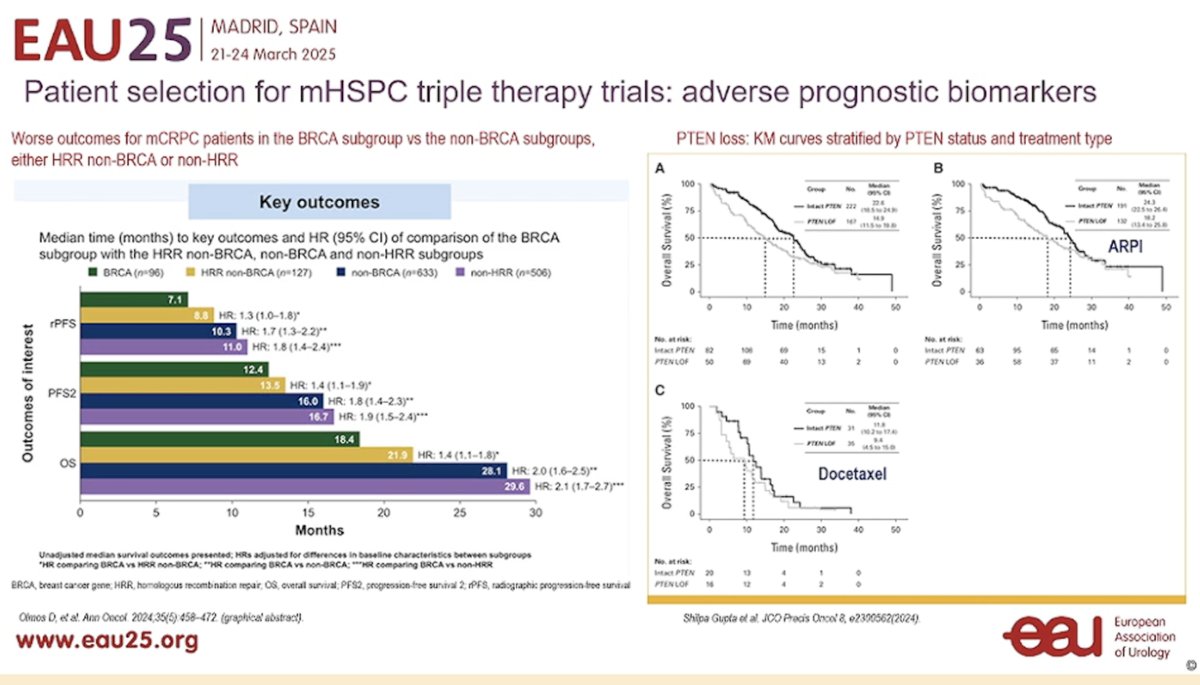
Dr. De Santis began her presentation by highlighting that patients with BRCA mutations have worse outcomes. As shown below, BRCA-mutated patients fare worse than HRR non-BRCA patients, while non-HRR patients have the best outcomes among the three groups. Similarly, PTEN loss has been associated with decreased survival, earlier resistance to ARPI treatment, and earlier need for subsequent therapies. These adverse prognostic biomarkers should be considered at the time of patient selection for metastatic hormone-sensitive prostate cancer (mHSPC) triple therapy trials.
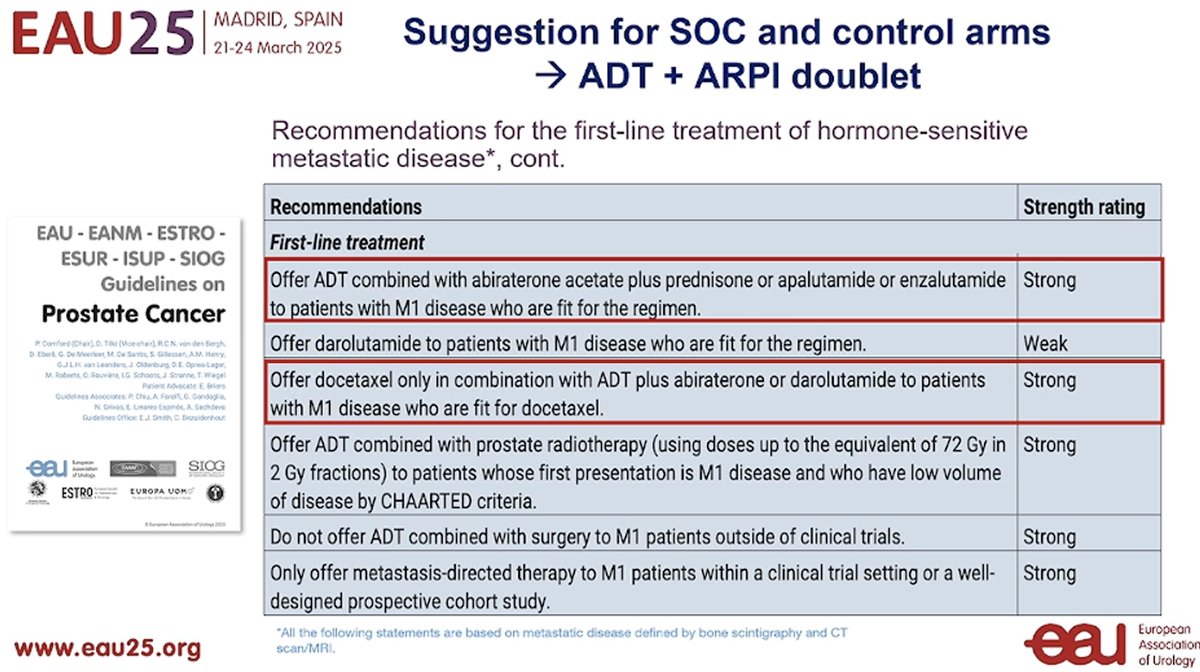
It is crucial to select appropriate control arms when designing and conducting clinical trials in the mHSPC setting. The EAU guidelines strongly recommend that first-line treatment for mHSPC should include ADT combined with an ARPI or, for fit patients, docetaxel. Therefore, the control arm for all trials in the mHSPC space should be the ADT + ARPI doublet.
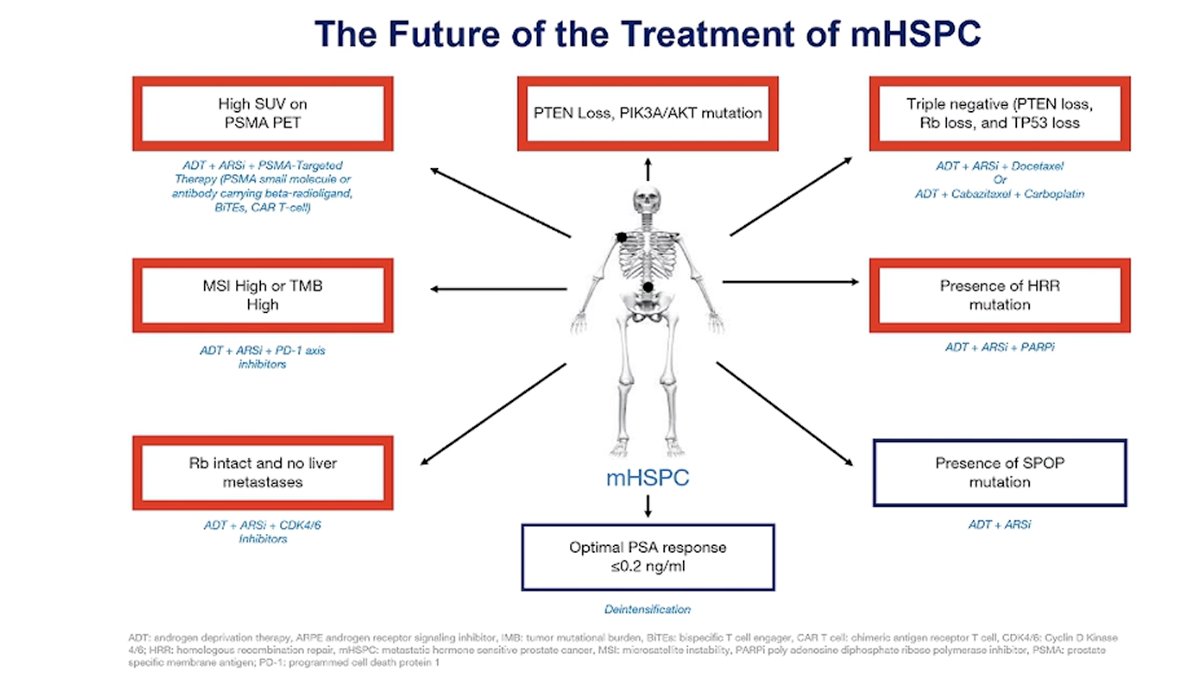
Currently, there are numerous treatment options available for mHSPC, allowing for the design of either biomarker-selected trials or trials for "all comers." The figure below summarizes different treatment strategies for mHSPC, offering a glimpse into the future landscape of this disease space.
Dr. De Santis highlighted four biomarker-selected trials in mHSPC. TALAPRO-3 is evaluating ADT + Talazoparib + Enzalutamide vs. placebo in patients with tumor DDR mutations, while AMPLITUDE is assessing ADT + Niraparib + Abiraterone vs. placebo in those with HRR mutations. CAPItello-281 is investigating ADT + ARPI with or without Capivasertib in patients with PTEN loss, and PSMAddition is randomizing PSMA PET-positive patients to receive SOC vs. SOC + Lu-177.

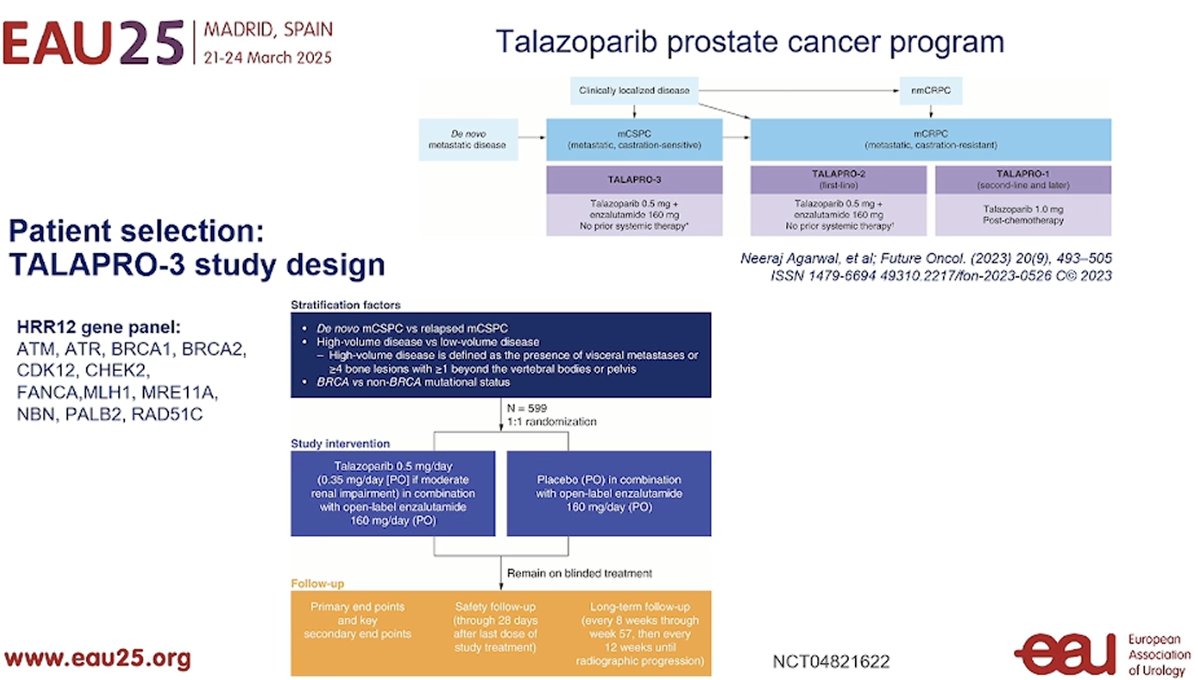
The TALAPRO-3 trial selected patients using a 12-gene HRR panel, stratifying them based on de novo vs. relapsed mHSPC, high- vs. low-volume disease, and BRCA vs. non-BRCA mutations. The study design is highlighted below.
The CAPItello-281 trial selected patients with PTEN loss, estimating that ~1,000 of 5,500 tested would qualify. These patients were randomized to receive Capivasertib, a potent AKT inhibitor, with radiographic progression-free survival as the primary outcome. AstraZeneca released a statement confirming that patients with mHSPC and PTEN loss treated with Capivasertib + ARPI + ADT doublet demonstrated a statistically significant and clinically meaningful improvement in rPFS.

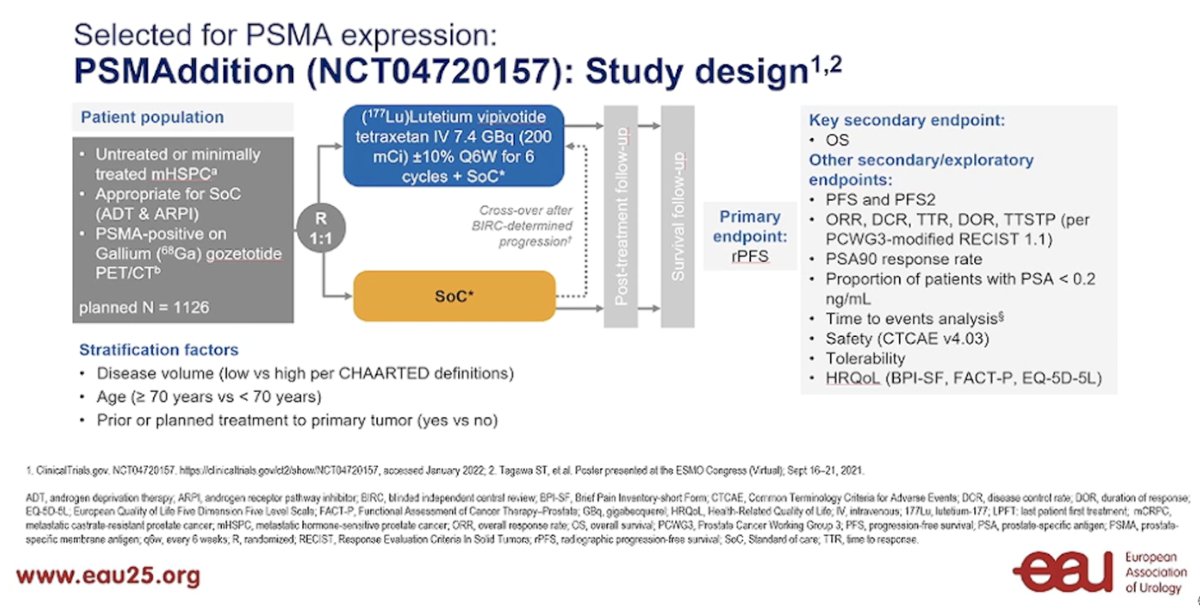
The PSMAddition (NCT04720157) is an international, prospective, open-label, randomized, phase 3 trial that will enroll an estimated 1,126 patients with treatment-naïve or minimally treated PSMA-positive mHSPC. Eligible patients are treatment-naive or minimally treated candidates for hormonal therapy, with PSMA-positive disease (determined by 68Ga-PSMA-11 PET/CT), ECOG performance status of 0 to 2, and adequate major organ function. Patients are excluded if they have rapidly progressing tumors that require chemotherapy. Patients will be randomized 1:1 to receive 177Lu-PSMA-617 (7.4 GBq every 6 weeks for a maximum of 6 cycles) + standard of care or standard of care alone (an androgen receptor pathway inhibitor and ADT). The study design for PSMAddition is as follows:
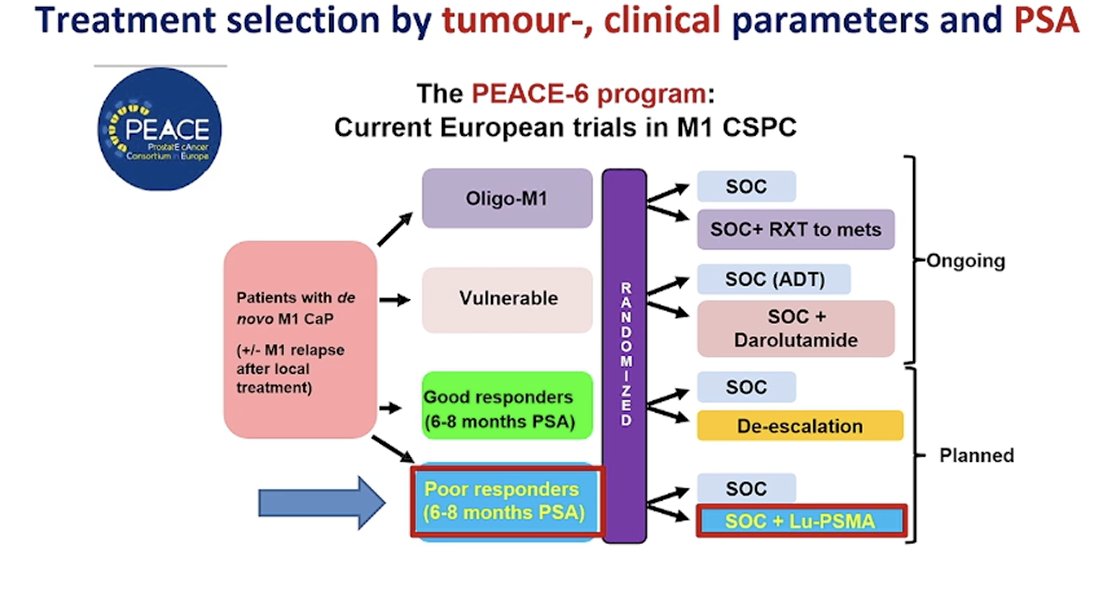
The PEACE-6 trial is randomizing patients with de novo or metachronous mHSPC, focusing on therapy de-escalation for good responders (undetectable PSA at 6–8 months) and treatment intensification for poor responders. This ongoing trial could provide exciting data, and its results are highly anticipated.
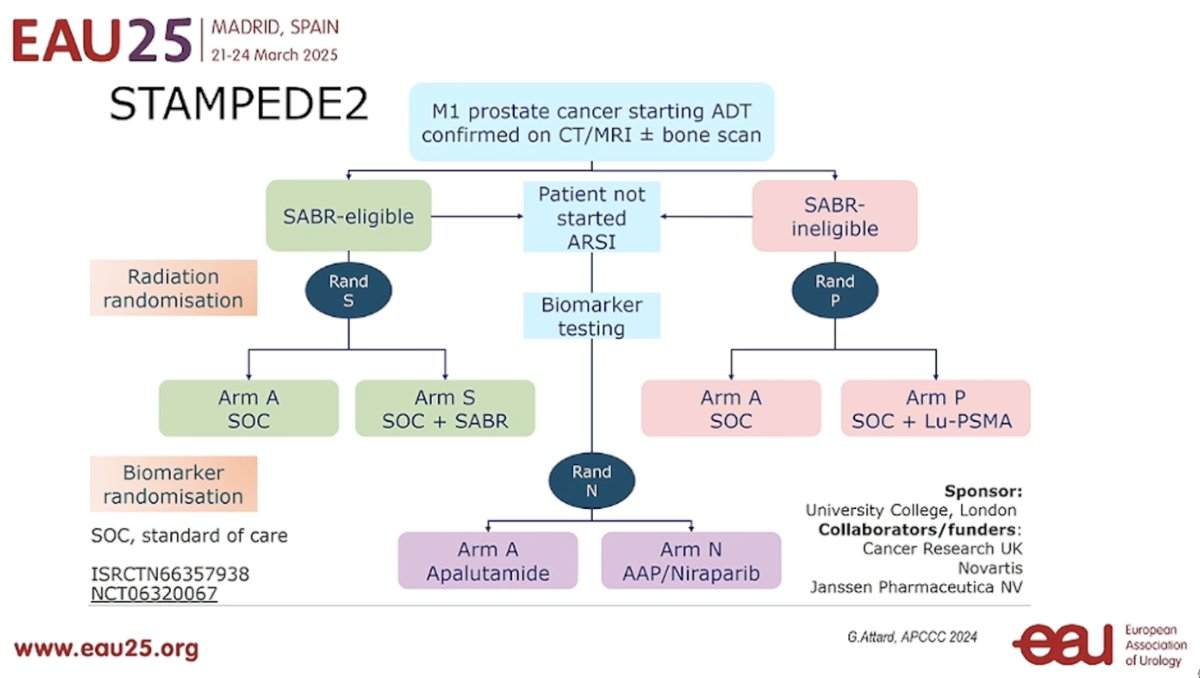
STAMPEDE2 is a phase III, randomized, open-label, multi-center platform trial evaluating treatments in mHSPC patients starting ADT (NCT06320067). Patients are randomized (1:1) to SOC or SOC + ¹⁷⁷Lu-PSMA-617, which is administered in three 6-weekly cycles (7.4 GBq on days 1 and 8). SOC includes long-term ADT, an ARSI, ± prostate radiotherapy, and ± docetaxel in triplet therapy. Notably, STAMPEDE2 stratifies patients based on SABR eligibility and biomarker status.
Dr. De Santis highlighted three unselected trials. KEYNOTE-991 (NCT04191096) evaluating ADT + Enzalutamide ± Pembrolizumab but closed early due to futility. CYCLONE-3 (NCT05288166) is studying ADT + Abiraterone + Abemaciclib in 900 mHSPC patients with high-volume disease.
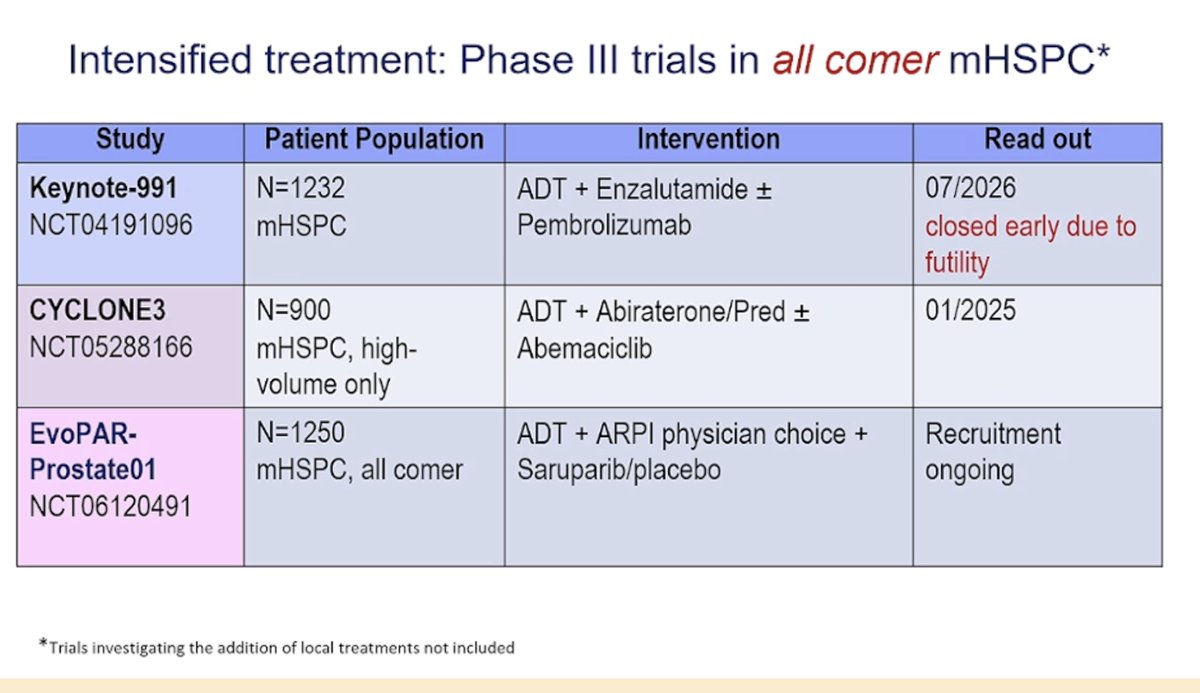
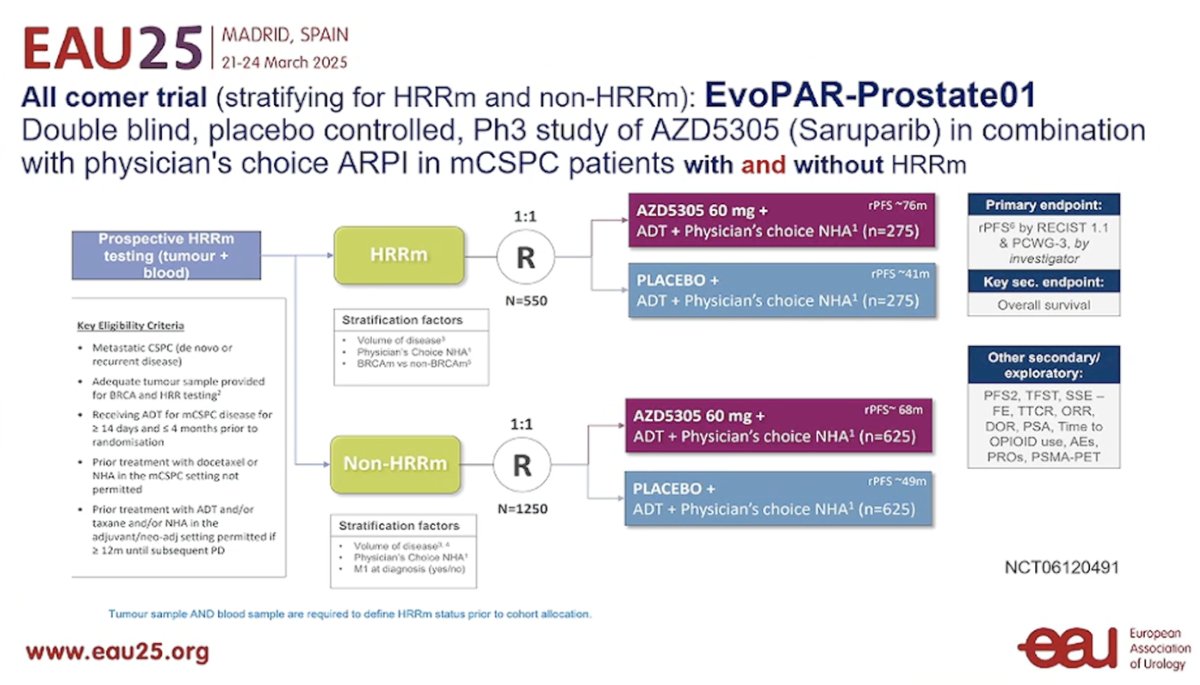
The EvoPAR-Prostate01 (NCT06120491) trial is an all-comer, double-blind, placebo-controlled, phase 3 study stratifying for HRRm and non-HRRm. It evaluates AZD5305 (Saruparib) in combination with physician's choice of ARPI in mCSPC patients, with or without HRRm. The trial is ongoing.
Dr. De Santis concluded her presentation with the following key points:
- There is a variety of large-scale randomised phase 3 trials on the way looking into treatment intensification in mHSPC
- The control arm for most trials is mainly ARPI doublets in line with the EAU guideline 2025
- Patient selection is important, and we have both:
- Biomarker selected trials: HRRm/BRCAm, PTEN deficiency, PSMA-avidity, PSA decline
- All comer trials
- Immunotherapy so far has proven unsuccessful in unselected patients; T-cell engagers/ bispecifics on the horizon and
Presented by: Maria De Santis, MD, Head of Section interdisciplinary Uro-oncology at Charité - University Medical Center, Berlin, Germany.
Written by: Julian Chavarriaga, MD – Urologic Oncologist at Cancer Treatment and Research Center (CTIC) via Society of Urologic Oncology (SUO) Fellow at The University of Toronto. @chavarriagaj on Twitter during the European Association of Urology (EAU) 2025 Annual Meeting, Madrid, Spain, Fri, Mar 21 – Mon, Mar 24, 2025.