









- UroToday Home
- Center Of Excellence
Centers of Excellence
Advanced Prostate Cancer
Welcome Letter from the Advanced Prostate Cancer Center of Excellence Editor
For more than 20 years, UroToday has been THE premier online educational resource for genitourinary oncology – clinicians educating clinicians. During this time, advanced prostate cancer has been completely transformed, pa≥ particularly in the last 10+ years. Since then, we have seen (briefly) the following in advanced prostate cancer:
- Docetaxel for mCRPC progression
- Cabazitaxel following docetaxel for mCRPC progression
- Radium-223 for mCRPC
- Docetaxel + ADT for mHSPC
- Abiraterone + prednisone for mHSPC
- ARPIs + ADT for mHSPC
- ARPIs + ADT for M0 CRPC
- Enzalutamide +/- ADT for non-metastatic HSPC
- PARP inhibitors for mCRPC
- Radioligand therapy for mCRPC
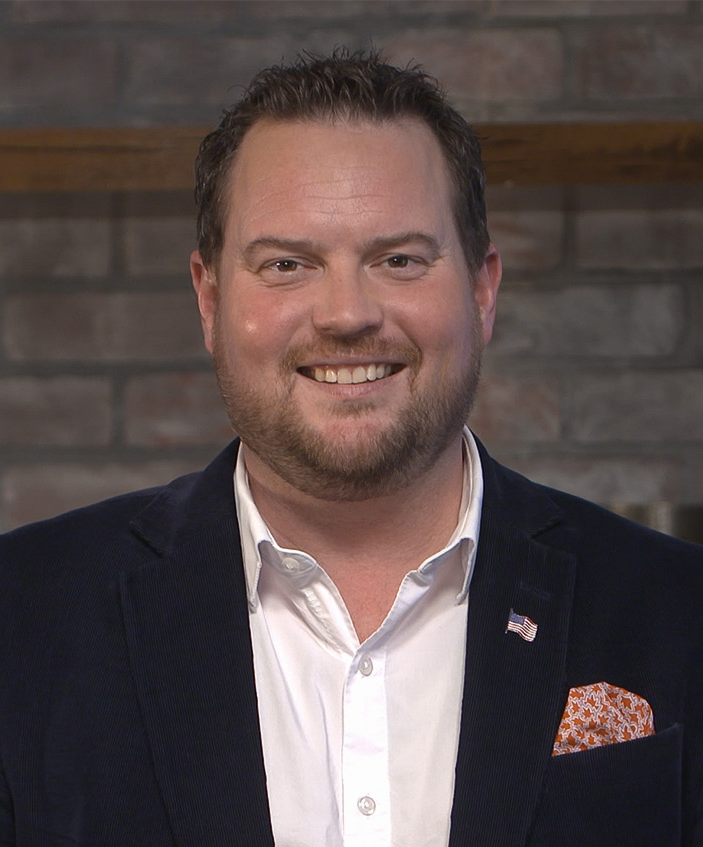
Zachary Klaassen, MD, MSc
Dr. Klaassen is a Urologic Oncologist, Associate Professor of Urology, Residency Program Director and the Ronald W. Lewis, MD Endowed Chair for Urologic Education at Wellstar MCG Health; Georgia Cancer Center in Augusta, GA. He was born in rural Canada and grew up in Vancouver, British Columbia. Following an undergraduate degree in Molecular Biology and Biochemistry at Simon Fraser University, he attended medical school at St. George's University in Grenada, followed by clinical rotations and a research fellowship in the metro New York area. After completing his Urology residency in Augusta, he spent two years in Toronto as a Society of Urologic Oncology fellow, obtaining a Masters of Science degree from the University of Toronto in Clinical Epidemiology. He specializes in Urology, Urologic Oncology, Robotic Surgery, Minimally Invasive Surgery, and Cancer Surgery. Dr. Klaassen is interested in treating patients with urologic malignancies, including prostate, bladder, kidney, testis, and penile cancer, using both open and minimally invasive surgical techniques. His research interests include mental health and cancer survivorship, clinical epidemiology of urologic malignancies, clinical trials, and translational research on biomarkers for early cancer detection and treatment response predictors. He believes in taking the cancer journey together with his patients and their families, focusing on treating not only the cancer but also the physical and emotional side effects of diagnosis and treatment.
Despite prostate cancer (PCa) being the second most common cause of cancer mortality among American men,1 there are 2.9 million men in the United States living with PCa. As such, there are many “PCa survivors” that are either on active surveillance (AS)/watchful waiting (WW) or have undergone treatment for localized (ie. radiation therapy (RT), radical prostatectomy (RP), focal therapy, etc) or advanced disease.
Read MoreUnderstanding and elucidating the underlying genetic basis of carcinogenesis has been the holy grail for cancer researchers, for both the scientific understanding of disease pathophysiology and potential therapeutic implications. Perhaps the best example of the therapeutic implications of understanding carcinogenesis come from chronic myeloid leukemia where the identification of the “Philadelphia chromosome”;
Read More