

(UroToday.com) The 2026 APCCC meeting featured a monitoring session and a presentation by Dr. Alicia Morgans discussing how electronic tools can be used for monitoring of patients with advanced prostate cancer. Dr. Morgans started her presentation by emphasizing that secondary to the COVID-19 pandemic, we were forced to rapidly convert many/most of our clinic patient encounters to telemedicine:
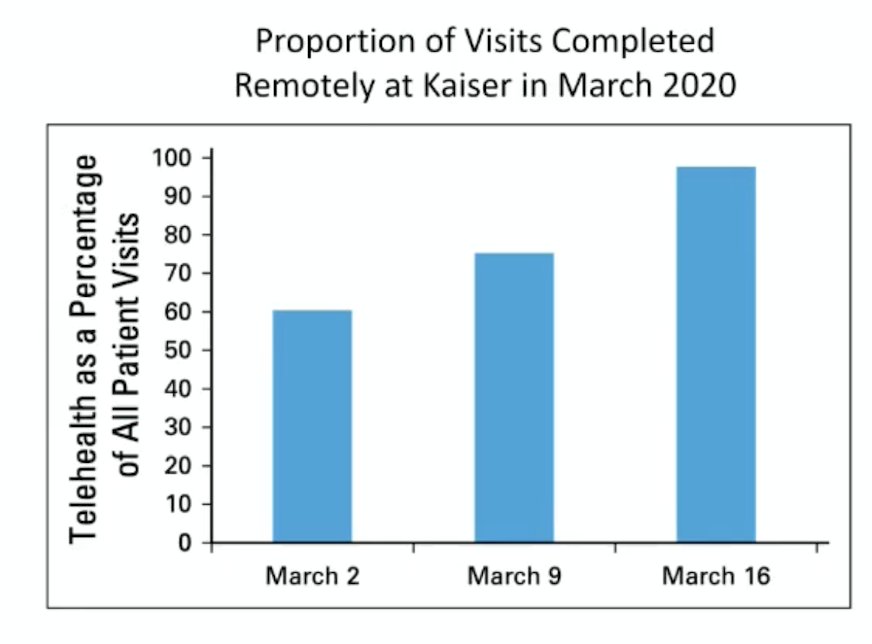
Thus, we already have a precedent for remotely monitoring our advanced prostate cancer patients.
In the lung cancer literature, following initial treatment, web-based monitoring has been used to capture cancer recurrence through electronic patient reported outcomes. This includes weekly remote collection of dynamic variables to calculate the likelihood of recurrent lung cancer, such as weight loss, anorexia, dyspnea, asthenia, cough, pain, fever, and hemoptysis. Notably, this web based program detected relapse ~5 weeks earlier and improved overall survival by ~7 months (HR 0.59, 95% CI 0.37-0.96).
The PROStep randomized trial tested the association of remote patient reported outcomes and step counts with hospitalization or death among patients with advanced cancer (gastrointestinal or lung cancer) undergoing chemotherapy. This included weekly electronic patient reported outcomes and continuous step count monitoring. The study found that higher symptom burden and decreased step count were independently associated with and predictably worsened close to hospitalization or death.
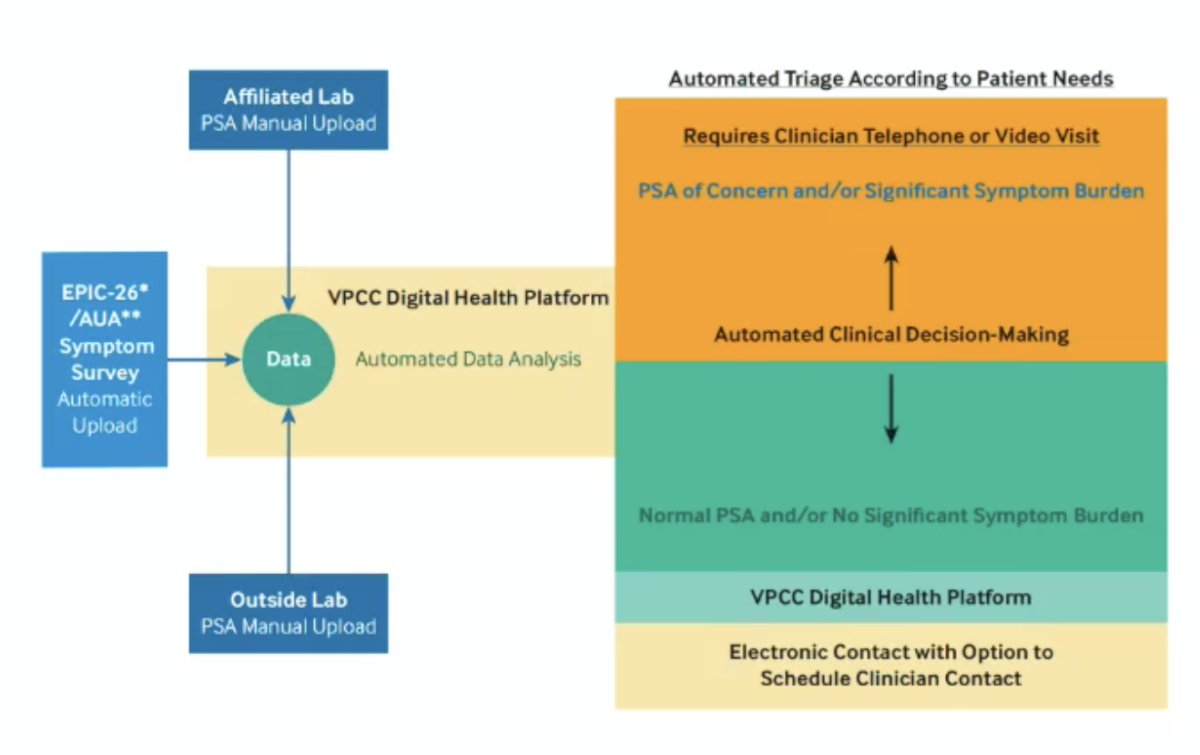
In 2021, Boyajian et al.1 tested a virtual prostate cancer clinic for PSA monitoring, whereby remote labs and electronic patient reported outcomes occur on schedule and are assessed by artificial intelligence. The system then triggers an in person clinic visit for a PSA increase or electronic patient reported outcome distress:
This study found that virtual clinics flipped the ratio of follow-ups to new patient visits:
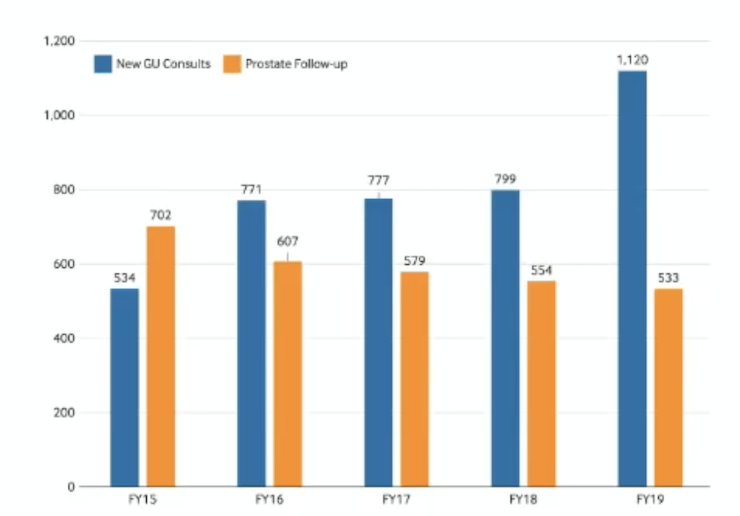
Among 636 survey respondents, 94.3% reported that they were comfortable with remote monitoring, 92.4% reported that they saved time, and 87.3% reported that they saved money. This paradigm increased access to care for new patients (+110% in 4 years) and was associated with significant revenue growth (+74% in 4 years).
In 2024, Raines and colleagues2 performed a systematic review of applications of wearable activity monitors for prostate cancer survivors to understand how wearables are integrated into prostate cancer investigations in order to identify current practices, gaps, and research opportunities. Among 44 studies, 89% used wearables to monitor physical activity metrics, 11%, sleep metrics, and 6.8%, both. Most studies involved exercise (70% RCTs, 9% non-randomized studies) or lifestyle interventions (30% RCTs, 9% non-randomized studies). Ultimately, prostate cancer research must expand beyond this limited scope.
A pilot study from Bange and colleagues at Memorial Sloan Kettering Cancer Center presented data at ASCO 2025 evaluating 4 at home services: (i) telehealth oncologist visits, (ii) remote blood pressure monitoring, (iii) home phlebotomy, and (iv) self-injection of ADT or denosumab with nursing support via telehealth, as needed. There have been 39 patients enrolled, with 73.4% of total components completed.
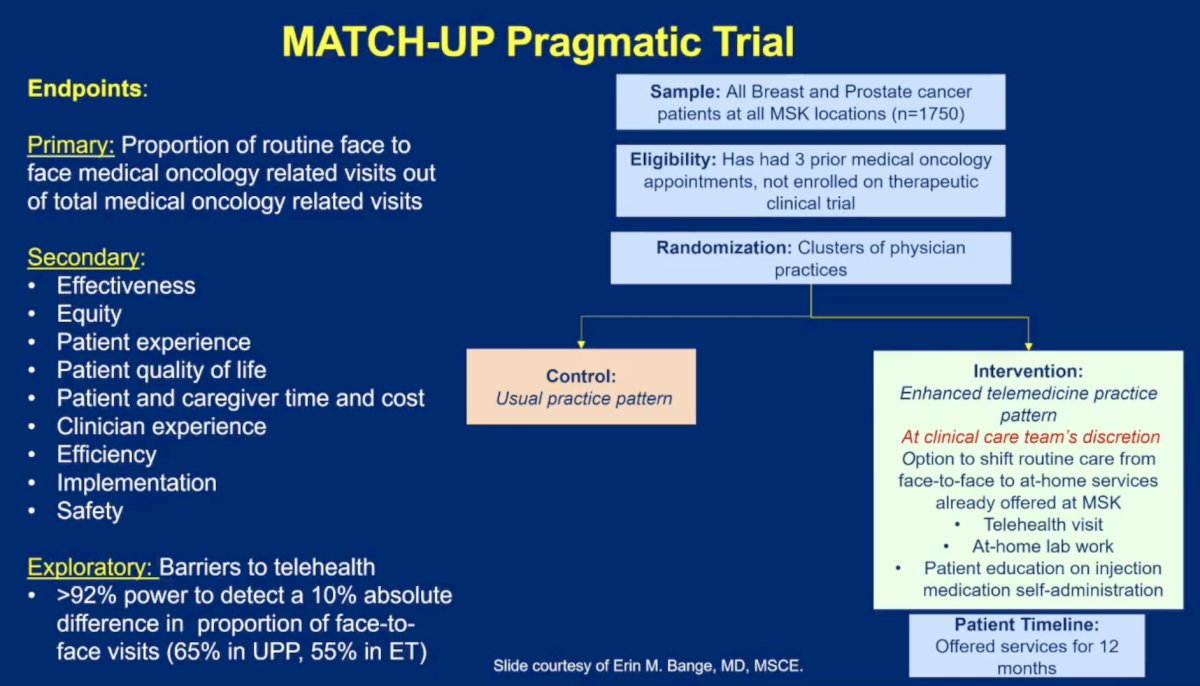
Dr. Bange has also started the MATCH-UP pragmatic trial to assess an intervention of enhanced telemedicine practice pattern for routine medical oncology visits. The primary endpoint is the proportion of routine face to face oncology related visits out of total medical oncology related visits:
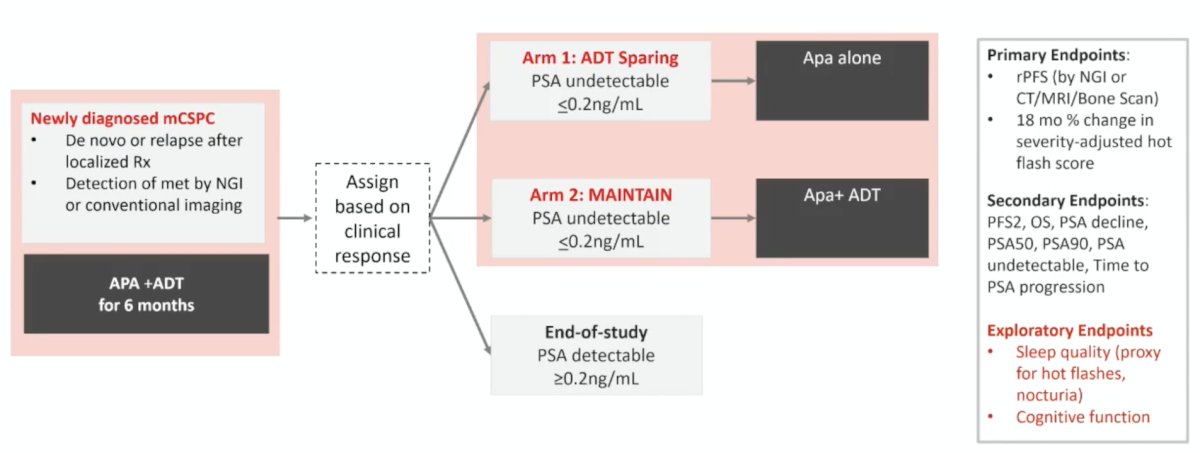
Dr. Morgans also discussed the LIBERTAS study, which is using digital health solutions for the initial 6 month (baseline, all patients) and to support objective quality of life comparisons across Arm 1 and Arm 2:
The device used in LIBERTAS is the ActiGraph CentrePoint Insight Watch (CPIW), which enables hot flash detection and impact assessment:
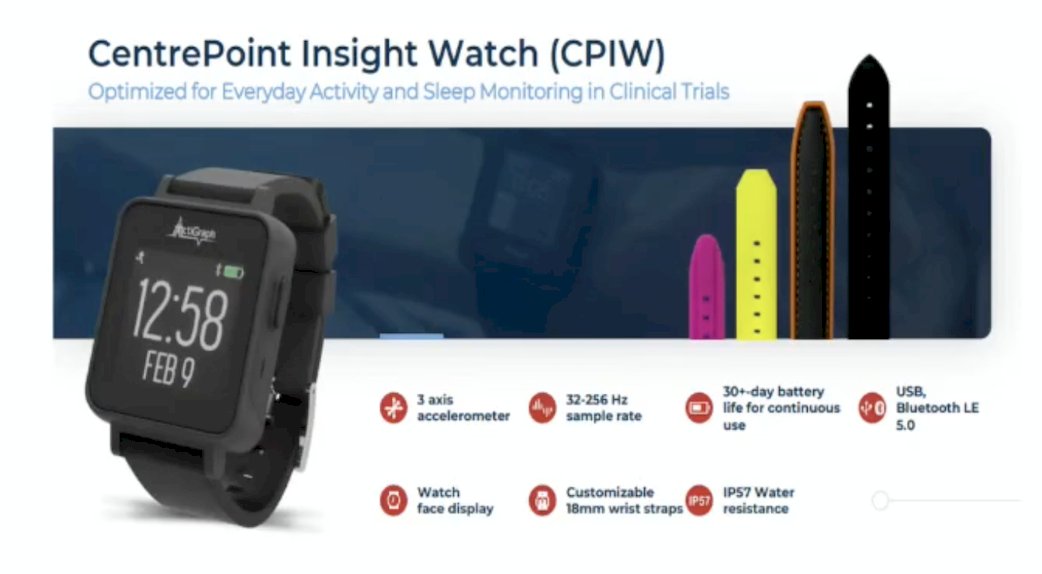
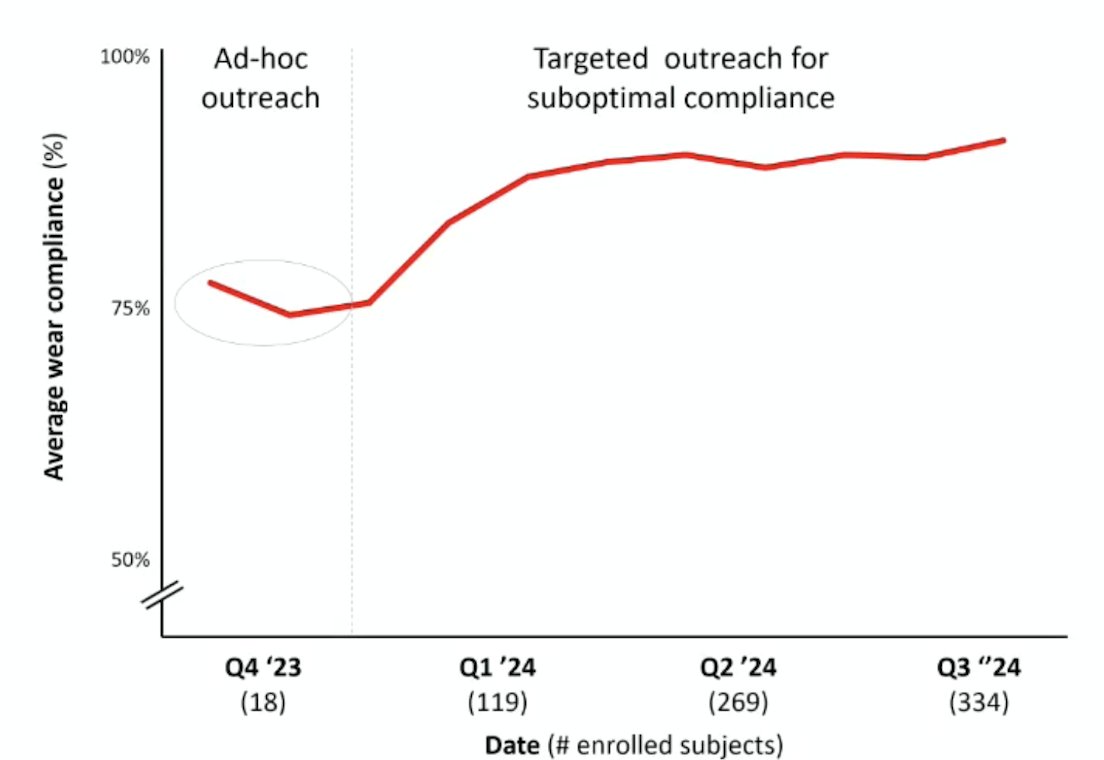
Often measured via patient reported outcomes, hot flashes and associated sleep disruptions can be detected with actigraphy. Relevant endpoints include: total sleep time, wake after onset, and sleep efficiency. Further, development of exploratory endpoints relating to hot flash presentation will be explored. Novel workflows enabled best in class wear compliance, and to date, 90 million minutes of ActiGraph CPIW data have been captured and processed. In LIBERTAS, Sense.ai enabled real time monitoring of device data, resulting in global wear compliance >90% (nearly 21 hours per day), with a uniquely rich dataset powering the analytical plan:
Dr. Morgans also highlighted several special consideration points:
- Data ownership concerns
- Is data owned by the individual patient, healthcare system, or the device manufacturer?
- If pooled and de-identified, who ensures de-identification, and can it be re-linked to patient?
- The right to “unplug”
- Ensuring patients have the opportunity to opt out of monitoring without fear that it will limit their access to treatment or healthcare coverage
- Analysis approaches must be validated across different populations
- Should systems have safety guardrails that trigger alerts if remote monitoring identifies concerning data?
Dr. Morgans concluded her presentation discussing how electronic tools can be used for monitoring of patients with advanced prostate cancer, with the following take-home points:
- Telehealth has allowed us to increase remote electronic monitoring
- Studies integrating electronic patient reported outcomes with remote labs and home injections continue to push the boundaries of what is possible
- Collection of electronic patient reported outcomes and activity levels may enable identification of patients at risk of greater complications and allow real time support
- Ongoing trials, including electronic monitoring, are better characterizing treatment burden and side effects
- Ensuring accountability of data ownership, allowing patients to “unplug,” and balancing safety in the remote setting remain important considerations
Presented by: Alicia K. Morgans, MD, MPH, Dana-Farber Cancer Institute, Boston, MA
Written by: Zachary Klaassen, MD, MSc – Urologic Oncologist, Associate Professor of Urology, Georgia Cancer Center, Wellstar MCG Health, @zklaassen_md on Twitter during the 2026 Advanced Prostate Cancer Consensus Conference (APCCC), Lugano, Switzerland, Thurs, April 30 – Sat, May 2, 2026.
References:
- Boyajian RN, Byajian KR, Mackin MJ, et al. A virtual prostate cancer clinic for prostate specific antigen monitoring: Improving well visits and freeing up time for acute care. NEJM Catal Innov Care Deliv. 2021;2(6).
- Raines C, Noorvash B, Posadas EM, et al. Applications of wearable activity monitors for prostate cancer survivors: A systemic scoping review. Contemp Clin Trials. 2024 Aug;143:107563.