

(UroToday.com) The American Urological Association's 2025 Annual Meeting, in Las Vegas, Nevada, was host to the Moderated Poster 13: Prostate Cancer: Staging Session. Dr. Neal Shore presented the COBRA study: Assessment of 64Cu-SAR-bisPSMA and standard of care prostate-specific membrane antigen Positron Emission Tomography in patients with biochemical recurrence of prostate cancer following definitive therapy.
Approximately 20%–40% of patients with prostate cancer (PCa) will experience a relapse within 10 years of their primary treatment, most often indicated by a rising prostate-specific antigen (PSA) level. Early detection of biochemical recurrence (BCR) and accurate staging are essential for informing optimal treatment strategies. Prostate-specific membrane antigen (PSMA) has emerged as a valuable imaging target in PC. Although current PSMA positron emission tomography (PET) agents demonstrate high specificity, their sensitivity remains relatively low highlighting an ongoing unmet need for more accurate staging in this disease setting.1
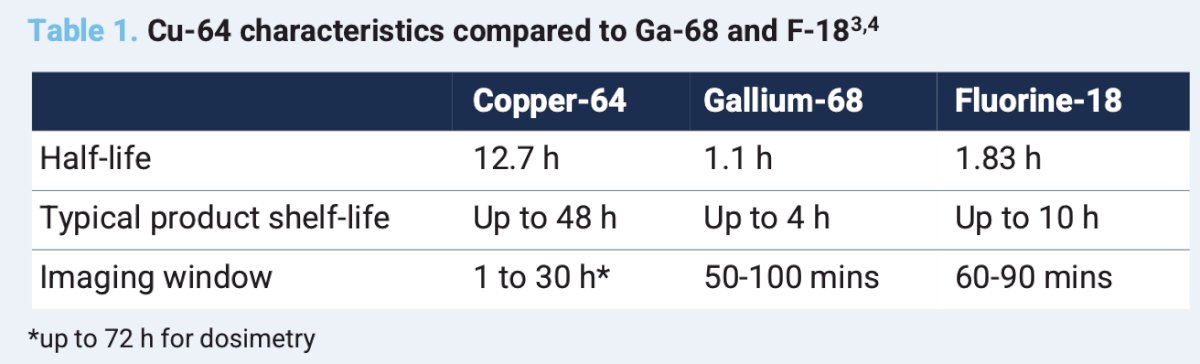
Dr. Shore highlighted that ⁶⁴Cu-SAR-bisPSMA may offer several advantages over currently approved PSMA PET agents, owing to its bivalent structure and the longer half-life (t₁/₂ = 12.7 hours) of ⁶⁴Cu, compared to the shorter half-lives (<2 hours) of monovalent agents utilizing ¹⁸F and ⁶⁸Ga. These differences are summarized in the table below.
⁶⁴Cu-SAR-bisPSMA possesses several unique characteristics. SAR-bisPSMA features a stylized bivalent structure with two PSMA-binding motifs, enhancing its affinity for tumor-specific PSMA receptors. The SAR component functions as a chelator, securely binding the radioisotope ⁶⁴Cu, which itself offers favorable imaging properties due to its longer half-life and positron emission profile. Together, these elements contribute to improved tumor targeting and potential advantages in imaging sensitivity and logistics over current monovalent PSMA PET agents.
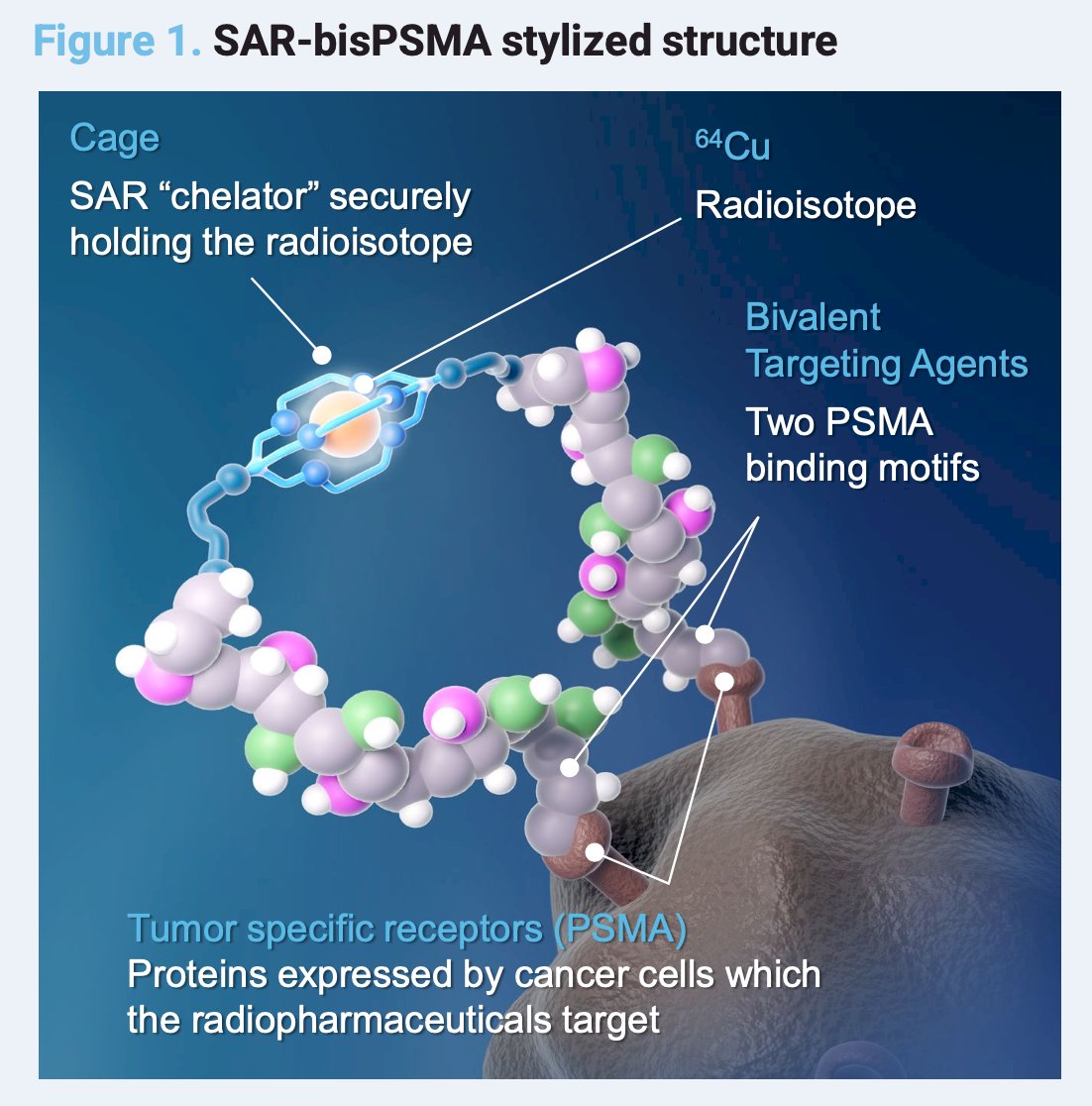
Proteins expressed by cancer cells that the radiopharmaceuticals target two PSMA binding motifs
Clinical evidence has demonstrated a 2- to 3-fold increase in tumor uptake and improved detection of additional prostate cancer lesions with ⁶⁴Cu-SAR-bisPSMA compared to currently approved PSMA PET agents. These promising findings led to the initiation of the COBRA study, a Phase I/II trial designed to evaluate the safety and efficacy of ⁶⁴Cu-SAR-bisPSMA in patients with biochemical recurrence (BCR) and negative or equivocal findings on standard-of-care (SOC) imaging.
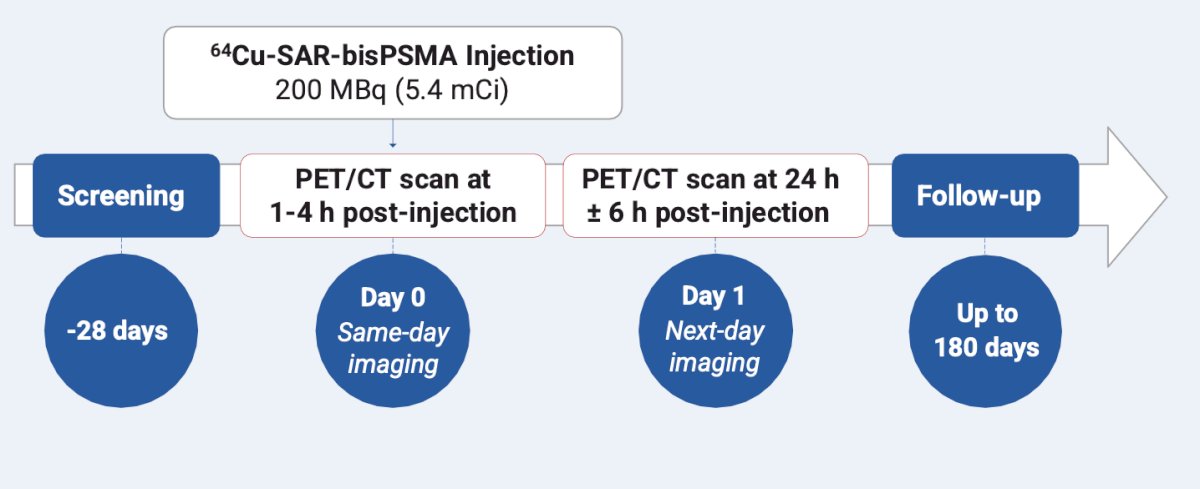
The COBRA study enrolled patients with confirmed adenocarcinoma of the prostate who had received definitive therapy and demonstrated suspected recurrence based on a rising or detectable PSA. Eligible patients also had negative or equivocal findings for prostate cancer on conventional imaging per standard of care within 60 days prior to Day 0 (PET/CT scan). Patients underwent ⁶⁴Cu-SAR-bisPSMA PET/CT imaging on Day 0, followed by additional imaging at 1–4 hours post-injection and again on Day 1 at 24 hours ± 6 hours. Follow-up was conducted for up to 180 days. The study design is illustrated below.
The ⁶⁴Cu-SAR-bisPSMA PET/CT scans were interpreted by three independent, blinded central readers. Findings were evaluated against a composite reference standard, which could include histopathology, follow-up SOC imaging, and PSA levels, as determined by an independent, blinded central expert panel. Follow-up SOC PSMA PET scans, interpreted by two additional blinded central readers independent of the ⁶⁴Cu-SAR-bisPSMA PET readers, were also compared.
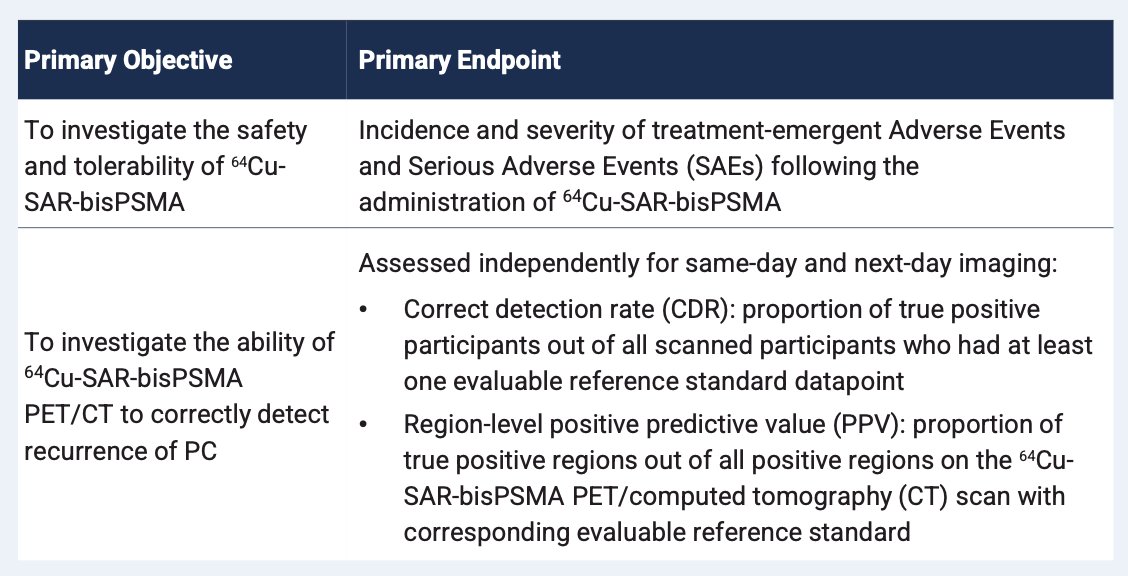
The primary objective and corresponding primary endpoint of the COBRA study are detailed below.
A total of 52 patients received ⁶⁴Cu-SAR-bisPSMA (Safety Set); two were replaced due to protocol deviations. Of the 50 patients who proceeded to follow-up, 42 had an available reference standard and 8 did not.
Dr. Shore highlighted that next-day imaging demonstrated both a higher patient-level detection rate and an increased number of lesions compared to same-day imaging. On average across the three central readers, 71% of patients had a positive scan on next-day imaging versus 53% on same-day imaging, a 34% relative increase.
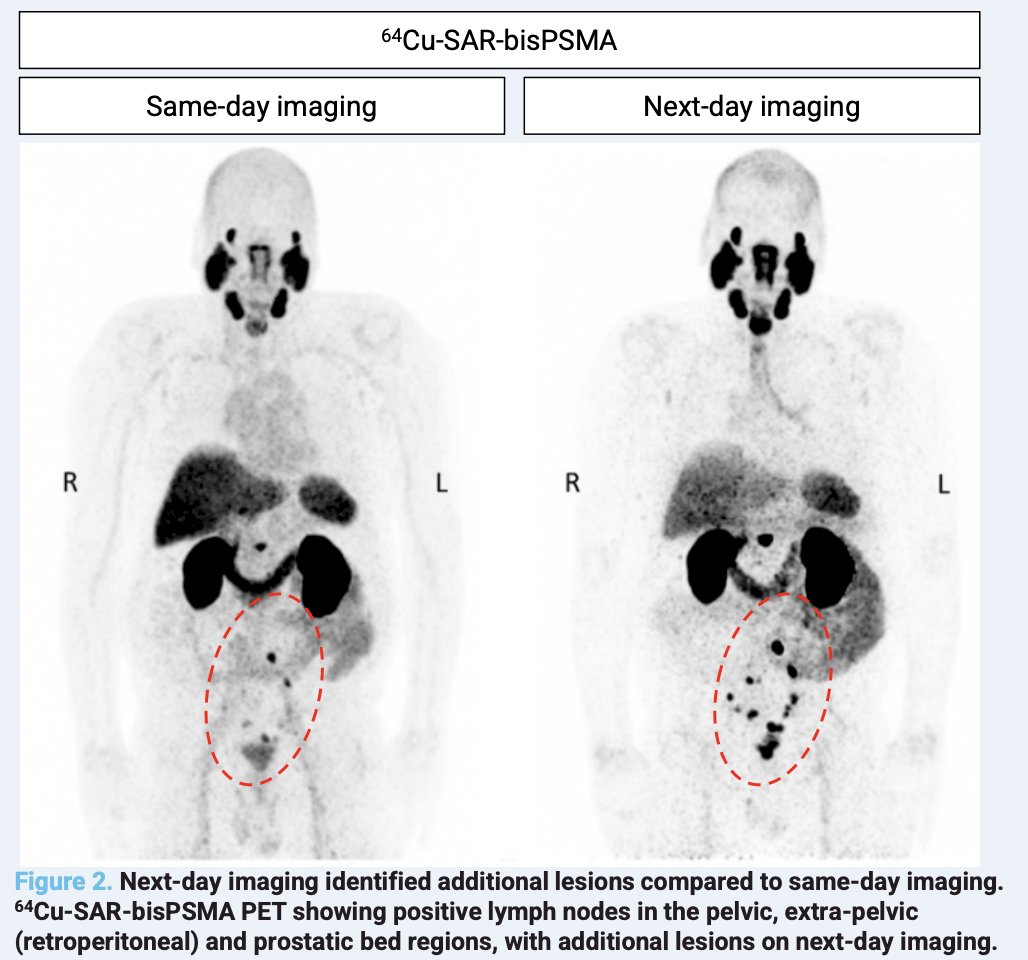
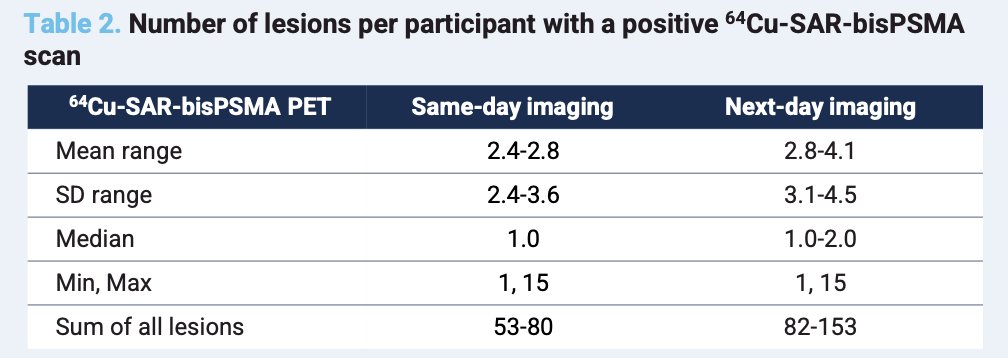
Moreover, the correct detection rate (CDR) across the three central readers (N = 42 patients) ranged from 19.0% to 26.2% on same-day imaging, and from 26.2% to 33.3% on next-day imaging. The CDR was notably influenced by the high number of lesions identified that could not be biopsied due to clinical inappropriateness, as well as the limited sensitivity of the SOC imaging modalities used as part of the reference standard for validating the ⁶⁴Cu-SAR-bisPSMA scan findings.
⁶⁴Cu-SAR-bisPSMA demonstrated the ability to detect lesions as small as 2 millimeters. In the COBRA study, on next-day imaging, 14% of patients had lesions <5 mm in diameter identified, with a mean SUVmax of 14.5 and a mean tumor-to-background ratio (TBR) of 88.3. Importantly, imaging with ⁶⁴Cu-SAR-bisPSMA led to a change in the intended treatment plan in 48% of patients. The figure below illustrates the differences in pelvic lymph node uptake observed on same-day imaging.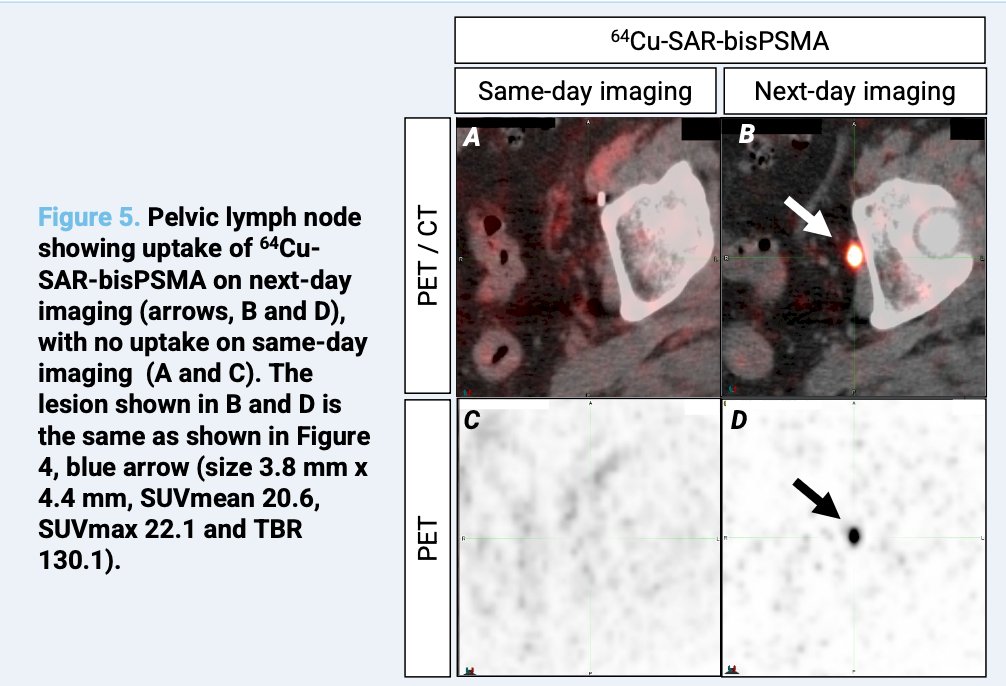
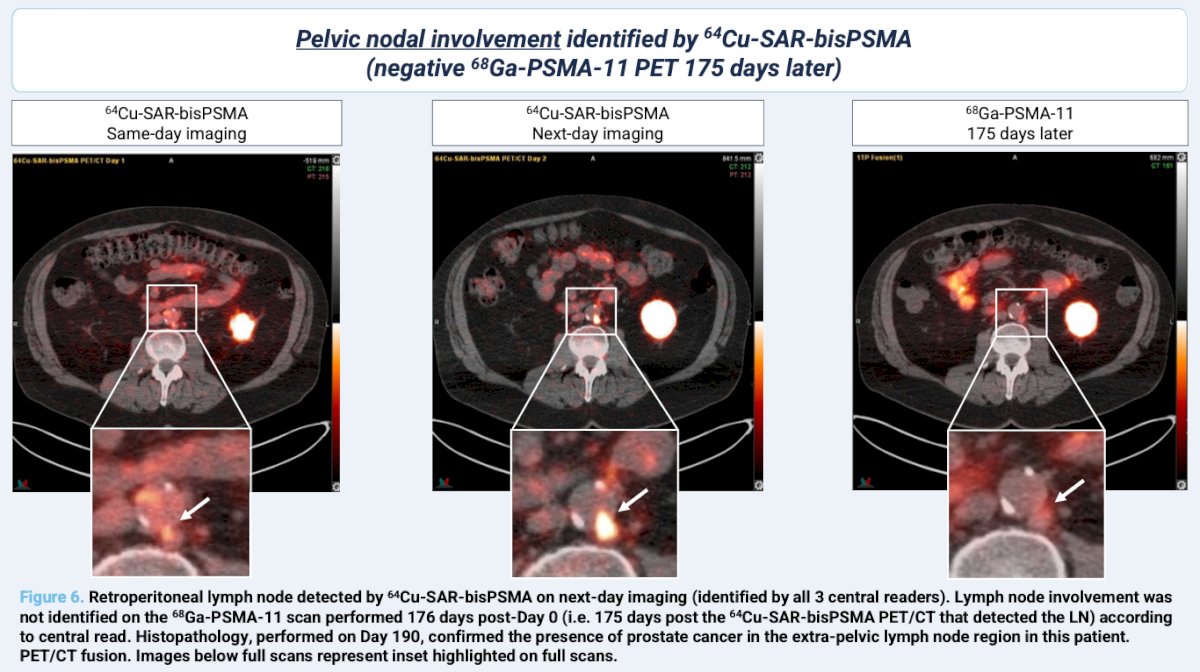
Furthermore, the figure below presents an example of retroperitoneal nodal involvement identified by ⁶⁴Cu-SAR-bisPSMA, which was not detected on a subsequent ⁶⁸Ga-PSMA-11 PET scan performed 175 days later. On next-day imaging, ⁶⁴Cu-SAR-bisPSMA revealed a retroperitoneal lymph node that was identified by all three central readers. This lymph node was not detected on the ⁶⁸Ga-PSMA-11 scan performed on Day 176, according to central review. Histopathological analysis on Day 190 confirmed the presence of prostate cancer in the extra-pelvic lymph node region in this patient.
Dr. Shore concluded his presentation with the following key messages:
- The COBRA study demonstrated that ⁶⁴Cu-SAR-bisPSMA is effective in detecting prostate cancer (PCa) lesions in patients with biochemical recurrence (BCR).
- Next-day ⁶⁴Cu-SAR-bisPSMA PET imaging localized disease in up to 80% of patients with BCR and negative or equivocal standard-of-care (SOC) imaging at study entry.
- Lesions smaller than 5 mm in diameter were detected in 14% of participants.
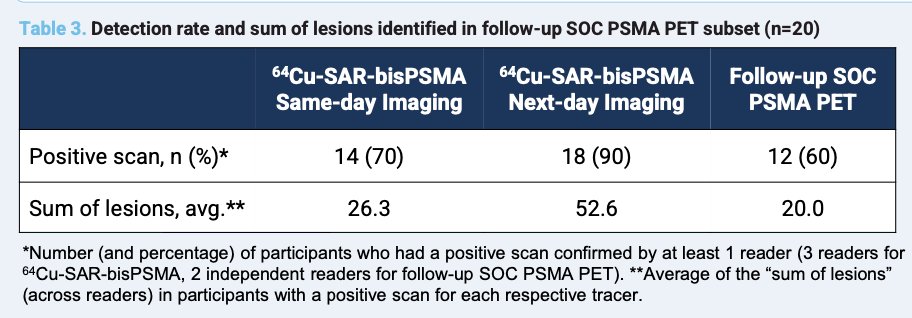
- More lesions and a higher number of participants with positive scans were identified with ⁶⁴Cu-SAR-bisPSMA PET compared to SOC follow-up PSMA imaging.
- The results suggest that ⁶⁴Cu-SAR-bisPSMA can identify lesions as early as 29 days—and up to more than 6 months—before detection by SOC PSMA agents.
- These findings have important clinical implications, as accurate staging and early lesion identification can inform treatment decision-making in patients with BCR of PCa.
Presented by: Neal D. Shore, MD, FACS, Medical Director for the Carolina Urologic Research Center. Urologist at the Atlantic Urology Clinics in Myrtle Beach, South Carolina.
Written by: Julian Chavarriaga, MD – Urologic Oncologist at Cancer Treatment and Research Center (CTIC) via Society of Urologic Oncology (SUO) Fellow at The University of Toronto. @chavarriagaj on Twitter during the 2025 American Urological Association (AUA) annual meeting held in Las Vegas, NV, Saturday, April 26 - Tuesday, April 29, 2025
References: