External beam radiotherapy, along with radical prostatectomy, has been a mainstay treatment option for prostate cancer for decades and is currently recommended by numerous guidelines for the treatment of intermediate- and high-risk disease.1-3 Unlike surgery which is often, at least initially, planned as a monotherapy, many patients who opt for external beam radiotherapy will receive concurrent therapy. This center of excellence article will review the evidence for concurrent systemic therapy with radiotherapy in men with localized and locally advanced disease.

External beam radiotherapy, along with radical prostatectomy, has been a mainstay treatment option for prostate cancer and is currently recommended by numerous guidelines for the treatment of intermediate- and high-risk disease.1-3 While external beam radiotherapy has been foundational in prostate cancer treatment for decades, there have been significant changes in the delivery of radiotherapy, corresponding to technical advances.

Active Surveillance Background


Prostate cancer represents a public health dilemma: while prostate cancer is the second leading cause of death among men in the US1 and third in Canada,2 it is widely over-diagnosed and over-treated, leading to significant patient anxiety and morbidity.3 Much of the over-diagnosis of prostate cancer relates to the use of serum prostate-specific antigen (PSA) testing for prostate cancer screening, beginning in 1987.4

Over the nearly two years of navigating the COVID pandemic, urology practices were forced to increase their efficiency by focusing on streamlining patient visits without sacrificing care quality. However, postponed checkups were unavoidable as the public was encouraged to stay home. According to the Centers for Disease Control and Prevention (CDC), 40% of Americans in 2020 delayed or avoided medical care due to pandemic-related concerns. Although necessary, we are now facing the severe consequences of delayed diagnosis and prostate cancer seems to be leading the way.

  • Written by: David Crawford, MD
In prostate pre- and post-biopsy decision making, more precision is urgently needed. Whereas expert imaging and biomarker-based risk scores already enable the clinician in this respect, the dilemma remains for those patients that are diagnosed with apparent indolent cancer. Additional diagnostic tools that (de)select patients for active surveillance (AS) would provide a great benefit for the patient.
  • Written by: Jack Schalken, PhD, Professor of Experimental Urology and Director of Urological Research at Radboud University Medical Center in Nijmegen, The Netherlands
The COVID-19 pandemic has resulted in numerous physical and psychological adjustments for clinicians, patients, and their families—wearing personal protective equipment, adopting telemedicine, adjusting clinic workflow, etc. The ensuing uncertainty and attendant anxiety from the fluidity of information and healthcare policy debate has augmented the need for enhanced communication and thoughtfulness for healthcare providers.  For urologic patient care, we strive to surmount the ever-evolving challenges of the COVID-19 pandemic by incorporating strategies to avoid the infection while protecting and prioritizing patient care. Specifically, as we assess the optimization of prostate cancer detection and diagnosis, we should identify men at risk for clinically significant cancer who mainly first present within the primary care setting.
  • Written by: Neal D. Shore, MD, FACS, and Michael S. Cookson, MD, MMHC
Despite the recent disruptions in health care delivery due to the COVID-19 pandemic, patients at risk for developing prostate cancer as well as those diagnosed with prostate cancer still deserve timely and optimal decision making. Unfortunately, the uncertainty of the pandemic requires urologists to adopt innovative strategies in order to prioritize patient care while being mindful to mitigate the potential infectious risks of COVID-19 to their patients as well as to their healthcare team.
  • Written by: Neal D. Shore, MD, FACS, and Michael S. Cookson, MD, MMHC
  • References: 1. Hayes, Julia H., Daniel A. Ollendorf, Steven D. Pearson, Michael J. Barry, Philip W. Kantoff, Susan T. Stewart, Vibha Bhatnagar, Christopher J. Sweeney, James E. Stahl, and Pamela M. McMahon. "Active surveillance compared with initial treatment for men with low-risk prostate cancer: a decision analysis." Jama 304, no. 21 (2010): 2373-2380.

Executive Summary

Imaging is often used to evaluate men with biochemical recurrence (BCR) of prostate cancer after definitive primary treatment (radical prostatectomy [RP] or radiotherapy [RT]). The goal of imaging is to identify the source of elevated or rising serum prostate-specific antigen (PSA) levels because subsequent management depends on disease location and extent.

Currently, there is a global pandemic surrounding the spread of betacoronavirus SARS-CoV-2 leading to Coronavirus Disease 2019 (COVID-19). The rapid spread to all corners of the globe has had tremendous health and economic implications, including the appropriate allocation of healthcare resources. Considering that hospitals may be overwhelmed quickly given the need for a proportion of patients that require hospitalization with possible ventilator support, there is a necessity to decrease the use of items essential for the care of patients with COVID-19 including ICU beds, ventilators, personal protective equipment, and terminal cleaning supplies. This includes reassessing the priority and implications of treatments, including prostate cancer screening. 

The rapid spread of Coronavirus Disease 2019 (COVID-19) throughout the world, caused by the betacoronavirus SARS-CoV-2, has had dramatic effects on health care systems with impacts far beyond the patients actually infected with COVID-19. Patients who manifest severe forms of COVID-19 requiring respiratory support typically require this for prolonged durations, with a mean of 13 days of respiratory support reported by the China Medical Treatment Expert Group for COVID-19.1 This lengthy requirement for ventilator support and ICU resources, exacerbated by relatively little excess health system capacity to accommodate epidemics, means that health care systems can (and have in the case of many hospitals in Italy) become overwhelmed relatively quickly.
Diagnosis and assessment of primary tumor – TRUS and mpMRI

Historically, prostate cancer diagnosis was made on the basis of transrectal or transperineal needle biopsy guided by digital palpation per rectum (so-called, finger guided biopsies).1 These biopsies were typically directed at palpable abnormalities. A number of significant changes occurred to this approach beginning in the early 1990s. First, a systematic approach to prostate biopsy advocated by Hodge et al., as opposed to directed cores, was widely adopted.2

Second, the use of transrectal ultrasound (TRUS) for prostate visualization and biopsy guidance became widespread. The use of TRUS allowed for direct visualization of the prostate, any of its anomalies, as well as the biopsy needle. Thus, TRUS-guided prostate biopsy became the gold standard approach to prostate cancer diagnosis.3 However, there are well-known limitations to TRUS-guided prostate biopsy including inherent random and systematic errors. Unless clear visible hypoechoic suspicious areas are seen in TRUS, sampling occurs by chance, and specific zones are under-sampled, including the anterior region and apex.4 Further, TRUS-guided systematic prostate biopsy can miss up to 20% of clinically significant prostate cancer, resulting in underdiagnosis and undertreatment.5 However, at the same time, TRUS-guided systematic prostate biopsy detects a relatively high percentage of clinically insignificant prostate cancer (Gleason grade group [GGG] 1), which may result in overtreatment.6

Thus, thirdly, multiparametric magnetic resonance has recently been evaluated for the identification of prostate lesions likely to be cancerous, as well as the guidance of prostate biopsy.

Initially, MRI was used as a staging test in patients with prostate cancer for assessment of direct extra-prostatic extension utilizing T2-weighted imaging. This approach was marked by significant variability in diagnostic performance, limited ability to detect microscopic disease and inability to localize the tumor within the gland itself.7 These factors limited the widespread adoption of MRI for local tumor staging. Indeed, to this data, TNM staging for prostate cancer relies on digital rectal examination rather than radiographic findings for local tumor staging.

However, multiparametric MRI, particularly with the addition of diffusion-weighted imaging has allowed for increasingly informative studies, including the visualization of tumors within the prostate. This has allowed for the use of mpMRI to guide prostate biopsy, either directly with in-bore biopsy or more commonly using a fusion device platform.8 When performed in the evaluation of patients with elevated prostate-specific antigen (PSA) levels with previous negative prostate biopsy, multi-parametric magnetic resonance imaging has been shown to identify clinically significant prostate cancers which would have been otherwise missed by routine systematic biopsy.9 A recent systematic review and meta-analysis from Kasivisvanathan and colleagues suggested that multi-parametric magnetic resonance imaging targeted biopsy detects more clinically significant prostate cancer than standard TRUS-guided systematic biopsy alone and requires fewer prostate cores to do so; that the question of whether to include systematic biopsy along with multi-parametric magnetic resonance imaging targeted biopsy remains controversial; and that the omission of the systematic biopsy risks missing the diagnosis of clinically significant disease in approximately 13% of men while the inclusion of systematic biopsy increases the likelihood of diagnosing clinically insignificant prostate cancer.10

The most recent European Association of Urology Prostate cancer guidelines conclude that, when at least one functional imaging technique is employed, mpMRI has good sensitivity for the detection and localization of clinically significant (Gleason Grade Group 2 or greater) prostate cancers6 with lower sensitivity for the detection of Gleason Grade Group 1 cancers, likely a beneficial characteristic. Potential limitations of the widespread use of a multi-parametric magnetic resonance imaging driven diagnostic pathway include only a moderate inter-reader reproducibility of multi-parametric magnetic resonance imaging, the lack of standardization of targeted biopsy, and cost-effectiveness concerns in certain jurisdictions.

Even more recently, high-resolution micro-ultrasound has emerged as a novel imaging modality for prostate cancer. High-resolution micro-ultrasound has a very fine resolution (approximately 70 µm) which allows for visualization of alterations in ductal anatomy and cellular density consistent with prostate tumors.11 In early experiences, high-resolution micro-ultrasound has demonstrated an ability to detect clinically significant cancers that were not apparent on either traditional TRUS or mpMRI.12 In contrast to mpMRI, high-resolution micro-ultrasound has the advantage of providing real-time imaging results, a finding that authors from the Cleveland Clinic demonstrated was associated with a relative increase in prostate cancer detection of 26.7%.12 Aggregate data from early clinical experience at multiple centers suggests that high-resolution micro-ultrasound has comparable or increased sensitivity for clinically significant prostate cancer compared with mpMRI and comparable or slightly reduced specificity.11

Distant staging – from radiographs to molecularly targeted imaging

While mpMRI has revolutionized imaging of the prostate and substantially changed the diagnostic algorithm for prostate cancer, perhaps even greater changes have occurred in the imaging for distant disease.

Initially, a radiographic diagnosis of bony prostate cancer metastasis was made on the basis of plain radiographs. However, bony metastases may be difficult to identify based on plain films as an extensive bone mineral loss (exceeding 30-50%) may be required before such changes are radiographically apparent.13 However, plain films remain useful for the immediate investigation of patients who present with bony pain and for the assessment of bony stability in those deemed at risk of pathologic fracture.

Following plain projectional radiography, skeletal scintigraphy was the next imaging modality widely adopted for the assessment of bony metastases in patients with prostate cancer. To date, it remains widely utilized and is currently recommended, along with abdominal and pelvic computed tomography, for the staging of patients according to many guideline bodies. Skeletal scintigraphy, when performed in patients with known cancer in the absence of bony pain, has a sensitivity of 86% and specificity of 81% for the detection of metastatic lesions.13 As with any imaging modality, these characteristics differ somewhat on the basis of the patient population being tested (i.e. the pre-test probability or population-based disease prevalence). Among patients with prostate cancer, PSA levels are predictive of the likelihood of a positive bone scan. Across a number of different cancers, Yang et al. found that bone scintigraphy had a specificity of 81.4% and sensitivity of 86.0%, on a per-patient basis, for the detection of bony metastases.14

Computed tomography has been utilized for the assessment of nodal metastatic disease, visceral disease, and bony metastasis. CT is highly sensitive for both osteoblastic tumors (such as prostate cancer) and osteolytic lesions in the cortical bone but is less sensitive in tumors that are restricted to the marrow space.13 As a result, CT is of relatively limited utility as a screening test for bony metastasis due to relatively low sensitivity (73%) despite excellent specificity (95%) – numbers based on a large scale meta-analysis from Yang and colleagues.14 For this reason, conventional staging recommendations for patients with prostate cancer include bony scintigraphy for the detection of bony lesions along with computed tomography for identification of nodal/visceral lesions and correlation of any bony lesions.15

In addition to its role in the local staging of the prostate and guidance of prostate biopsy, mpMRI may also assist with evaluation for distant metastatic disease. Routine pelvic/prostate MRI typically allows for assessment of local/regional nodal involvement including obturator and external iliac nodal chains. However, the high soft-tissue contrast and high spatial resolution afforded by MRI call also allow for the identification of bony metastasis in marrow spaces much early than would be apparent based on CT scan.14 Further, use of T1-weighted sequences and STIR sequences can allow for adequate assessment for bony metastasis without the need for intravenous contrast agents; use of MRI for staging does not require the use of ionizing radiation. Thus, abdominal/pelvic or whole-body MRI may be considered for the identification of distant metastatic disease. Additionally, MRI with contrast has become the imaging modality of choice for the evaluation of liver metastases.16 Thus, this approach may be particularly valuable in patients at a high risk of visceral metastatic disease.

Traditional positron emission tomography (PET) imaging utilizing fluorodeoxyglucose (FDG) is not typically effective in the initial diagnosis of prostate cancer metastasis owing to the relatively low metabolic activity associated with the disease. However, at least four other PET imaging approaches have been assessed and employed in patients with prostate cancer including 18F-NaF PET/CT, choline-based PET/CT, fluciclovine (Axumin®) PET/CT, and PSMA-targeted PET/CT.17 These modalities have been used in the staging of both primary and recurrent prostate cancer. While clearly improved compared to bony scintigraphy, the limitations are similar – namely, that sensitivity is highly dependent on PSA levels. However, choline-based PET/CT has demonstrated significantly higher sensitivity for the diagnosis of metastatic lesions at the time of biochemical recurrence compared to conventional imaging with a bone scan and computed tomography.17 However, compared to MRI, the benefits of choline-based PET/CT are less clear.18 MRI clearly outperformed choline-based PET/CT for the detection of local recurrence (36.1% vs 1.6%), while choline-PET/CT was superior for identification of lymph node metastasis and both were effective at identifying bony metastatic disease.19

Choline-based PET/CT is not widely available in the United States. However, fluciclovine PET/CT (also known as Axumin® PET/CT) which utilizes the proliferation of tumor cells for localization, is much more available. Fluciclovine (18F-FACBC; 1-amino-3-fluorine 18F-flurocyclobutane-1-carboxylic acid) is a synthetic amino acid analog with the advantage of negligible renal uptake and no activity in the urinary tract.18 Nevertheless, non-specific prostate uptake limits its utility in the identification of primary prostate tumors due to an inability to distinguish from benign prostatic inflammation. Instead, fluciclovine-PET/CT has proven efficacy in the detection of recurrent prostate cancer with biochemical recurrence following local therapy, with a sensitivity of 90% and specificity of 40% (higher in distant, 97%, and nodal disease, 55%, than locally).20 Compared to choline-PET/CT, fluciclovine-PET/CT demonstrated lower false-negatives and false-positive rates in patients with biochemical recurrence.21, 22

Finally, receptor-targeted PET imaging has recently been examined, most notably, PSMA-based PET/CT. PSMA is a transmembrane glycoprotein found on prostatic epithelium. The ratio of PSMA to its truncated isoform (PSM’) is proportional to tumor aggressivity. The most well examined PSMA based approach is 68Ga-PSMA-PET/CT. In patients with biochemical recurrence following radical prostatectomy, 68Ga-PSMA-PET/CT demonstrated superior detection rates of metastatic disease (56%) compared with fluciclovine-PET/CT (13%).23 This benefit was consistent in detecting pelvic nodal disease and extrapelvic disease. PSMA-based PET/CT demonstrated a particular benefit in the evaluation of patients with low absolute PSA levels. Further, 68Ga-PSMA-PET/CT appears to be superior to MRI in primary staging of patients prior to local therapy.24 Other radiotracers including 18F-DCFPyL and 177Lu-PSMA-617 have recently been examined in place of 68Ga-PSMA.25

Recent work has also assessed the role of PET/MRI, rather than PET/CT. This approach leverages the advantages of the sensitivity of receptor-targeted imaging and the spatial resolution of MRI.24

Conclusion

The evolution of imaging in prostate cancer has allowed a more nuanced understanding of the disease. Assessing the local tumor, both mpMRI and high-resolution micro-ultrasound allow for a more informed prostate biopsy which may assist in more accurate initial disease characterization26 as well as local staging. Ongoing advances in receptor-targeted PET imaging continue to refine the identification of metastatic disease. This has important implications for what we understand to be M0 and M1 prostate cancer. Whether early detection of metastatic disease utilizing these modalities translates into improvements in patient outcomes, or simply lead-time bias, remains to be assessed.

Published Date: March 2020
Over the last decade, imaging for prostate cancer has improved immensely. Specifically, prostate multiparametric MRI (mpMRI) has improved primarily as a result of an increase in magnet strength from 1 to 3-tesla. mpMRI consists of anatomic and functional imaging techniques: anatomic imaging includes T1- and T2-weighted images, and functional imaging includes diffusion-weighted imaging (DWI) and dynamic contrast-enhanced (DCE) sequences. Currently, the recommendation is for a 1.5 tesla MRI with an endorectal coil or a 3-tesla MRI with no endorectal coil.1 

Initial T1-weighted images are performed first to determine if hemorrhage is present in the prostate. As such, most experts recommend waiting 3-8 weeks after a prostate biopsy to decrease artifact associated with hemorrhage from the biopsy.2 Subsequently, T2-weighted images provide anatomic configuration of the prostate gland: the normal peripheral zone appears as areas of high signal intensity, whereas areas of low signal intensity may represent prostate cancer, prostatitis, BPH, etc. T2-weighted images also provide information regarding extraprostatic extension (EPE) or seminal vesical invasion (SVI), which are represented by areas of low signal intensity. DWI assess the diffusion of water within the magnetic field—the closer the cells are together (ie. for a prostate cancer nodule), the lower the motion of water, which leads to a high signal intensity in this phase. The DCE phase is a T1-weighed image with gadolinium-based contrast, which assesses vascular permeability of the prostate over a period of typically 5-10 minutes. Importantly, the combination of T2, DCE, and DWI phases yields both a NPV and PPV of >90%.3


table-1-prostate-cancer-utilization@2x.jpg


The objective of this article is to focus on indications for mpMRI use in the localized prostate cancer setting, specifically exploring its use before prostate biopsy, after a negative biopsy, on active surveillance, and prior to radical prostatectomy for surgical planning purposes.

Before Prostate Biopsy

Until recently, the utilization of mpMRI as a “triage test” prior to transrectal ultrasound (TRUS)-guided prostate biopsy was a contentious topic, relying on single centers suggesting that such an approach may decrease unnecessary biopsies.5,6 However, in 2017, the PROMIS trial provided level 1b evidence for utilizing mpMRI prior to TRUS-guided biopsy among men with elevated PSA.7 PROMIS was a multi-center, paired-cohort study to assess the diagnostic accuracy of mpMRI and TRUS biopsy against a gold-standard reference template mapping biopsy. Men were included (n=576) if they had a PSA <15 ng/ml and no history of the previous biopsy. On mapping biopsy, 71% of men had cancer, including 40% with clinically significant prostate cancer (Gleason score ≥4+3 or maximum cancer length ≥6 mm). For clinically significant disease, mpMRI was more sensitive (93%) than TRUS-biopsy (48%), albeit less specific (41% for mpMRI; 96% for TRUS-biopsy). Based on these data, a triage mpMRI would allow 25% of men to safely avoid a prostate biopsy, while at the same time reducing detection of clinically insignificant prostate cancer. Importantly, secondary to the poor specificity and positive predictive value, this study does not suggest that mpMRI should replace prostate biopsy and that men with suspicious lesions should still have histologic confirmation of prostate cancer.

Shortly after PROMIS was published, PRECISION reported results of their trial which assigned 500 men with a clinical suspicion of prostate cancer who had not previously undergone a prostate biopsy to undergo MRI with or without a targeted biopsy vs standard TRUS-guided biopsy.8 Men in the MRI group underwent a targeted biopsy if there was a suspicion of prostate cancer on imaging and did not undergo a biopsy if the MRI was negative. The primary outcome for this randomized clinical trial was a diagnosis of clinically significant prostate cancer. In the MRI-targeted biopsy group, 28% had a negative MRI and thus no biopsy. Among men undergoing targeted biopsy, 38% had clinically significant cancer, compared to 26% in the TRUS-guided biopsy group (p=0.005). Furthermore, fewer men in the MRI-targeted biopsy group had clinically insignificant prostate cancer compared to the TRUS-guided biopsy group.

Since the publication of these two trials, debate regarding the implementation of mpMRI prior to biopsy has ensued. Detractors have mentioned that the negative predictive value of mpMRI in PROMIS for detecting Gleason grade group ≥2 was only 76%, albeit no grade group ≥3 were missed on mpMRI.7 mpMRI prior to prostate biopsy has already been widely accepted in the UK and Australia where mpMRI is reimbursed in this setting.9 There is evidence to suggest that men with a negative mpMRI should not be biopsied unless caveats such as a strong family history, abnormal digital rectal exam, or BRCA mutation are present. At present, experts have pressed for a new paradigm for prostate cancer detection in which an abnormal mpMRI should have a targeted biopsy performed; if the mpMRI is negative then a routine follow-up protocol should be employed.9 It is noteworthy to mention that widespread dissemination will undoubtedly rely on (i) affordability/reimbursement of mpMRI, (ii) quality of the mpMRI, and (iii) skill of the radiologist.

After Negative Prostate Biopsy

It is generally accepted that men with a history of negative TRUS-guided biopsy and persistently elevated or increasing PSA should undergo a mpMRI prior to consideration of a second (or in some cases third or fourth) prostate biopsy. In a study of 265 patients with a PSA >4.0 ng/ml and one negative TRUS-biopsy mpMRI detected prostate cancer in 41% of men, including 87% with clinically significant prostate cancer.10 

mpMRI has been shown in the previous negative biopsy setting to detect tumors in up to 40% of cases, often in the anterior region of the prostate.11-14 An advantage of mpMRI fusion biopsy in patients with prior negative biopsy is the ability of MRI to identify suspicious lesions in areas not normally sampled by standard TRUS-guided biopsy, specifically the anterior and apical parts of the prostate. Thus, the benefit of fusion biopsy is particularly accentuated in the prior negative biopsy cohort. Furthermore, a study by Kongnyuy et al.15 suggested that there may be racial differences with regards to anterior tumors. In a cohort of 195 African-American men matched 1:1 to white men undergoing mpMRI, 47.7% of African-American men had anterior prostate lesions. Amongst these men, a history of prior negative biopsy was significantly associated with an anterior prostate lesion (OR 1.81, 95%CI 1.03-3.20). Despite an overall higher cancer detection rate among African American than white men, the presence of anterior prostate lesions and lesions harboring clinically significant cancer were not different between races.

On Active Surveillance

Over the last decade, adoption of active surveillance as a management strategy for men with clinically low-risk prostate cancer has appropriately continued to increase. However, until recently, the utilization of mpMRI in active surveillance management has been somewhat discretionary and clinician dependent.16

Earlier this year the European Association of Urology (EAU) released a position statement for active surveillance, which included 10 recommendation statements;17 the 3rd statement assessed “use and timing of MRI in active surveillance.” mpMRI can be used to increase clinically significant cancer detection, thus ensuring men are appropriately included in surveillance regimens and those with potentially threatening disease can have appropriate and timely intervention. The statement recommends that mpMRI can be performed at several time points during active surveillance:

  1. At the time of initial diagnosis – the EAU statement recommends that men diagnosed with a low-risk disease without a prior mpMRI should under a mpMRI prior to enrolment to ensure no significant disease was missed on initial biopsy. In cases of initial targeted mpMRI biopsy, both targeted and systematic biopsies should be performed.17 In addition to the excitement generated by PROMIS 7 and PRECISION,8 a recent systematic review assessed the role of mpMRI among active surveillance patients, noting that a lesion suspicious for prostate cancer was found in nearly two-thirds of men otherwise suitable for surveillance.18
  2. Before confirmatory biopsy – the EAU statement recommends that a mpMRI be performed before the confirmatory biopsy, within 12 months from initial diagnosis, and to include targeted and systematic biopsies.17 The rate of reclassification after targeted biopsies among men on active surveillance without a prior mpMRI may be as high as 22%.18-20 A recent publication assessed the value of serial mpMRI imaging among 111 men on active surveillance with > 1-year of follow-up, noting that among 33 reclassifications after one year, 55% were reclassified on only TRUS-guided biopsy.21 As such, the value of serial mpMRI in active surveillance algorithms remains unclear.
  3. During follow-up – the EAU statement does not support the use of solely using mpMRI instead of repeat biopsy in active surveillance follow-up.17 As mentioned, the use of serial mpMRIs over long-term follow-up is not currently recommended, however it may be used in situations where a targeted lesion is being followed. This is an area of great research interest considering that institutional studies with vast experience with mpMRI suggest that mpMRI supplanting follow-up biopsies is safe and feasible.22  
Last month, the ASIST trial published results of the randomized, multicenter, prospective trial assessing if mpMRI with targeted biopsy could identify a greater proportion of men with grade group ≥2 cancer on confirmatory biopsy compared with systematic biopsies.23 Among 273 men included in the study, 64% in the MRI group had a suspicious region of interest. Unfortunately, no difference was observed in the rate of grade group ≥2 upgrading in the intention to treat or per protocol cohort, grade group ≥2 upgrading within each stratum separately, or grade group ≥3. This trial confirms that there is still a role for TRUS-guided biopsy among active surveillance patients, in addition to tempering the current role for targeted biopsies in this setting.

Before Radical Prostatectomy

With improved mpMRI technology has come an interest in more precise clinical staging of localized prostate cancer, particularly before performing radical prostatectomy. Ultimately, the patient and urologist are concerned about the risk of EPE preoperatively, which dictates the degree of nerve-sparing performed at the time of radical prostatectomy. Somford et al.24 assessed mpMRI images among 183 men to determine the positive and negative predictive values of mpMRI for EPE at radical prostatectomy for different prostate cancer risk groups. The overall prevalence of EPE at radical prostatectomy was 49.7% (24.7% low-risk; 77.1% high-risk) – the overall staging sensitivity was 58.2%, specificity was 89.1%, positive predictive value was 84.1% and a negative predictive value was 68.3%. The positive predictive value was best in the high-risk cohort (88.8%) and a negative predictive value was best in the low-risk cohort (87.7%).

Data regarding whether preoperative imaging influences surgical planning is limited. However, Schiavina et al.25 assessed the impact of mpMRI on preoperative decision making among 137 patients planned for radical prostatectomy who underwent mpMRI. They found that mpMRI changes robotic surgeon’s initial surgical plan with regards to the degree of nerve-sparing in nearly half of patients. Interestingly, there was an equal alteration in surgical planning when considering a more aggressive (to less aggressive) and less aggressive (to more aggressive) preliminary plan. Although the above results for EPE prediction and tailored surgical planning are encouraging, this degree of advanced mpMRI interpretation should be reserved for expert radiologists where sensitivities and specificities for predicting EPE are typically both >80%.26

Conclusions

The improvement of MRI technology and development of mpMRI for prostate imaging is one of the most important technologic advancements in urologic oncology over the past decade. The PROMIS and PRECISION trials have delineated the utility of mpMRI among men considering a prostate biopsy. Likely the most accepted and concrete indication for utilization of mpMRI is in men with a negative prostate biopsy and persistent/increasingly elevated PSA, specifically to enhance the ability to detect previously unsampled (often anterior) tumors. The recent EAU statement on active surveillance has provided much-needed guidance as to when to include mpMRI in the surveillance algorithm; work is still necessary to delineate who benefits from serial mpMRI, particularly after 1 year on active surveillance. Finally, there is increased utilization of mpMRI among patients planned for radical prostatectomy to assess the degree of acceptable nerve sparing without compromising oncologic efficacy, however the high-level of mpMRI interpretation to accurately assess EPE in these instances requires expert radiologic experience.

Published Date: April 16th, 2019
Secondary to the introduction of prostate specific antigen (PSA) screening in the 1980’s/1990’s, symptomatic presentation of prostate cancer has become less frequent. Symptoms of locally advanced prostate cancer may include obstructive urinary symptoms, gross hematuria, and/or upper tract urinary obstruction leading to renal failure. Once the diagnosis of prostate cancer is made, staging is important, which may include imaging studies in cases of high-risk disease. This article will focus on contemporary diagnosis/screening modalities in addition to the staging of localized prostate cancer.

Diagnosis

Screening

The goal of screening for any malignancy is early detection with the hopes of intervening with treatment at an earlier time period in order to reduce cancer-specific mortality. Screening for prostate cancer involves a digital rectal examination (DRE) and a serum PSA blood test. Screening in certain instances may lead to over treatment of clinically insignificant disease, for which urologists have been criticized with regards to prostate cancer over treatment.1, 2 Notwithstanding, during the PSA screening era for prostate cancer, disease mortality has declined by ~40% with a substantial decrease in men presenting with advanced malignancy.3

Two randomized control trials (RCTs) were initiated in 1993 to compare prostate cancer-specific mortality between prostate cancer screened and unscreened men.4, 5 The European Randomized Study of Screening for Prostate Cancer (ERSPC) trial identified 182,000 men (ages 50-74 years) who were randomly assigned to a group that was offered PSA screening once every four years or to a control group that did not receive screening4. During a median follow-up of 9 years, the cumulative incidence of prostate cancer was 8.2% in the screening group and 4.8% in the control group. The rate ratio (RR) for death from prostate cancer in the screening vs control group, was 0.80 (95%CI 0.65-0.98). This correlated to 1410 men needing to be screened and 48 additional cases of prostate cancer treated to prevent one death from prostate cancer. The Prostate, Lung, Colorectal, and Ovarian (PLCO) cancer screening trial randomly assigned men in the US to receive either annual screening (n=38,343) or usual care (n=38,350).5 Importantly, in this trial “usual care” occasionally included screening; rates of screening in the control group increased from 40% in the first year to 52% in the sixth year for PSA testing. After seven years of follow-up, the incidence of prostate cancer per 10,000 person-years was 116 in the screening group and 95 in the control group (RR 1.22; 95CI 1.16-1.29). The incidence of death per 10,000 person-years was 2.0 in the screening group and 1.7 in the control group (RR 1.13; 95%CI 0.75-1.70), thus the results of the study suggested that prostate cancer screening did not reduce cancer-specific mortality.

Since the initial reporting of these two RCTs nearly a decade ago, several follow-up iterations have been published for the ERSPC6, 7 and PLCO8, 9 trials, confirming initial results: a screening benefit in the ERSPC trial and no benefit in the PLCO trial. These trials have been thoroughly analyzed as to potential reasons for differing results. The PLCO trial had (i) a shorter screening interval, (ii) higher threshold for prostate biopsy, (iii) halted regular screening after six rounds, and had (iv) “contamination” in the control group, considering that these men often received screening. As such, the PLCO has been described as organized screening vs opportunistic screening, rather than screening vs no screening.8, 9 

Recommendations for Screening

The United States Preventative Services Task Force (USPSTF) has been highly critical of PSA screening and relied heavily on results of the PLCO trial for their recommendations against routine screening for prostate cancer.2, 10 The American Urological Association (AUA) guidelines for prostate cancer screening were most recently released in 2013 and revalidated in 2018,11 suggesting shared decision making for men 55-69 years of age who are considering PSA-based screening. These recommendations were based on the benefits outweighing the harms of screening in this age group. Other organizations, such as the European Association of Urology (EAU), recommend a baseline PSA test at age 40-45, which is then used to guide a subsequent screening interval.12 Most recently, the USPSTF changed their recommendation against PSA screening for men aged 55-69 (Grade D) to a Grade C recommendation for prostate cancer screening: clinicians should not screen men who do not express a preference for screening.13

Triggers for Biopsy

Various “triggers” for prostate biopsy have been proposed with no consensus agreement. Generally, urologists agree that a positive DRE finding should be followed by a prostate biopsy. When the DRE is unremarkable, PSA thresholds are primarily used to guide recommendations for consideration of a prostate biopsy. The upper limit of a normal PSA has historically been set at 4 ng/mL, however the ERSPC has suggested this level should be lowered to 2.5-3.0 ng/mL. A recent study suggested that men <50 years of age with a PSA >1.5 ng/mL should consider a prostate biopsy, as more than half of these patients diagnosed with prostate cancer exceed the Epstein criteria for active surveillance.14 Furthermore, in an ad hoc analysis of the placebo arm of the Prostate Cancer Prevention Trial (PCPT), Thompson et al.15 showed a continuum of prostate cancer risk at all PSA values: PSA cutoff values of 1.1, 2.1, 3.1, and 4.1 ng/mL yielded sensitivities of 83.4%, 52.6%, 32.2%, and 20.5%, and specificities of 38.9%, 72.5%, 86.7%, and 93.8%, respectively, for detecting any prostate cancer. Undoubtedly, there is no perfect trigger for deciding whether to perform a prostate biopsy, as all factors must be taken into account, including age, race, family history, PSA trend, etc.

Staging


The clinical staging of prostate cancer relies on factors prior to treatment, such as PSA, DRE, prostate biopsy results, and imaging findings. Pathologic staging of prostate cancer relies on the stage of disease after surgical extirpation of the prostate. The following discussion will primarily focus on clinical staging.

Prostate Biopsy and Gleason Classification

At the time of prostate biopsy, a “systematic sampling” of the prostate is undertaken, typically consisting of 10-12 biopsy cores of tissue. Positive samples are then scored a primary and secondary Gleason score: 3+3, 3+4, 4+3, 4+4, 4+5, 5+4, or 5+5. Over the last 20 years, the D’Amico risk stratification has been commonly used to guide treatment16 Low-risk disease (cT1-2a, PSA ≤10 ng/mL, and Gleason ≤6), intermediate-risk disease (T2b or PSA >10 ng/ml but <20 ng/ML, or Gleason score 7), and high-risk disease (T2c, or PSA >20 ng/mL or Gleason 8-10), conferred freedom of disease 10-years after radical prostatectomy rates of 83%, 46%, and 29%, respectively.16

Several years ago, the Gleason Grade Group (GGG) was proposed to better reflect the true cancer biologic aggressiveness and better guide treatment: GGG 1 is Gleason 6, GGG 2 is 3+4=7, GGG 3 is Gleason 4+3=7, GGG 4 is Gleason 8, GGG 5 is Gleason 9-10.17 In a Swedish population-level database of 5,880 men diagnosed with prostate cancer, using the GGG schema demonstrated four-year biochemical recurrence-free survival rates of 89% (GGG 1), 82% (GGG 2), 74% (GGG 3), 77% (GGG 4), and 49% (GGG 5) on biopsy, and 92% (GGG 1), 85% (GGG 2), 73% (GGG 3), 63% (GGG 4), and 51% (GGG 5) based on prostatectomy data18 Generally, the GGG classification offers a simplified nomenclature with predictive accuracy comparable to previously used classification schemes.

Classification

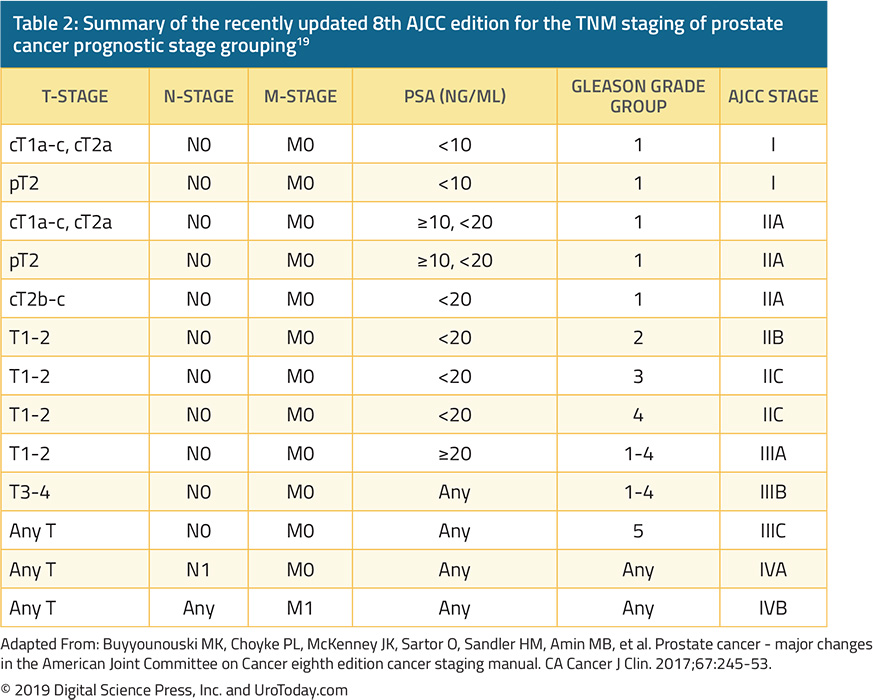
table 1 diagnosing staging prostate cancer2x

table 2 diagnosing staging prostate cancer2x

Imaging

Several imaging modalities have been used to radiographically stage prostate patients. Generally, staging studies have included a radionuclide bone scan (to assess for skeletal metastases) and a computed tomography (CT) scan of the abdomen and pelvis (to assess for lymphadenopathy). Selecting appropriate patients for imaging is a point of much debate. The general consensus is that there is no role for imaging patients with low-risk disease, whereas imaging is appropriate for patients with either PSA >20 ng/mL, GGG 4-5, cT3-T4 or clinical symptoms of bone metastases.11

The improvement in multi-parametric MRI (mpMRI) technology has allowed, not only the ability to perform targeted prostate biopsies but also to stage patients for locoregional extent of disease. mpMRI comprises anatomic sequences (T1/T2) supplemented by functional imaging techniques such as diffusion-weighted and dynamic contrast-enhanced (DCE) imaging. When performed at high resolution, DCE facilitates detection of disease, as well as an assessment of extracapsular extension, urethral sphincter, and seminal vesicles involvement.20 Furthermore, mpMRI may provide accurate information for planning robotic prostatectomy. In a study assessing the ability of mpMRI to assist with planning neurovascular bundle preservation, mpMRI results changed preoperatively planning in 26% of cases based on the extent of disease.21

Conclusions  

Prostate cancer screening has been crucial to decreasing the burden of disease and improving mortality rates. However, early practices of over-screening and over-treatment have led to strong recommendations from non-urologic governing bodies recommending against prostate cancer screening, which has just recently changed to provide screening options for certain men (55-69 years of age). Prostate cancer screening should be based on a shared decision-making model, allowing patients to make educated decisions that best fit their healthcare needs. As prognostic tools continue to be refined and imaging technology improves, diagnosis and staging of prostate cancer will hopefully lead to an improved selection of men that need screening and ultimately those who may benefit from treatment.

Published Date: April 16th, 2019