

(UroToday.com) The 2026 SNMMI annual meeting featured a prostate cancer session and a presentation by Dr. Qinghe Wu discussing olaparib sensitizing prostate cancer to 177Lu-PSMA-617 radioligand therapy via suppression of glycolysis. Clinical responses to 177Lu-PSMA-617 radioligand therapy remain heterogeneous, and therapeutic benefit is limited in a subset of patients. PARP is involved in the DNA damage response after radiation exposure. Numerous studies have reported that combining PARP inhibitors with radiotherapy can produce meaningful radiosensitization by impairing DNA damage repair. As such, Dr. Wu and colleagues investigated whether the PARP inhibitor olaparib enhances 177Lu-PSMA-617 efficacy in prostate cancer and explored glycolysis as a potential mechanistic vulnerability.
In vitro, PSMA-expressing PC3-PIP cells were treated for 72 hours with olaparib (0, 20, 100, 400 nM) and/or 177Lu-PSMA-617 (0, 12.5, 25, 50 µCi):
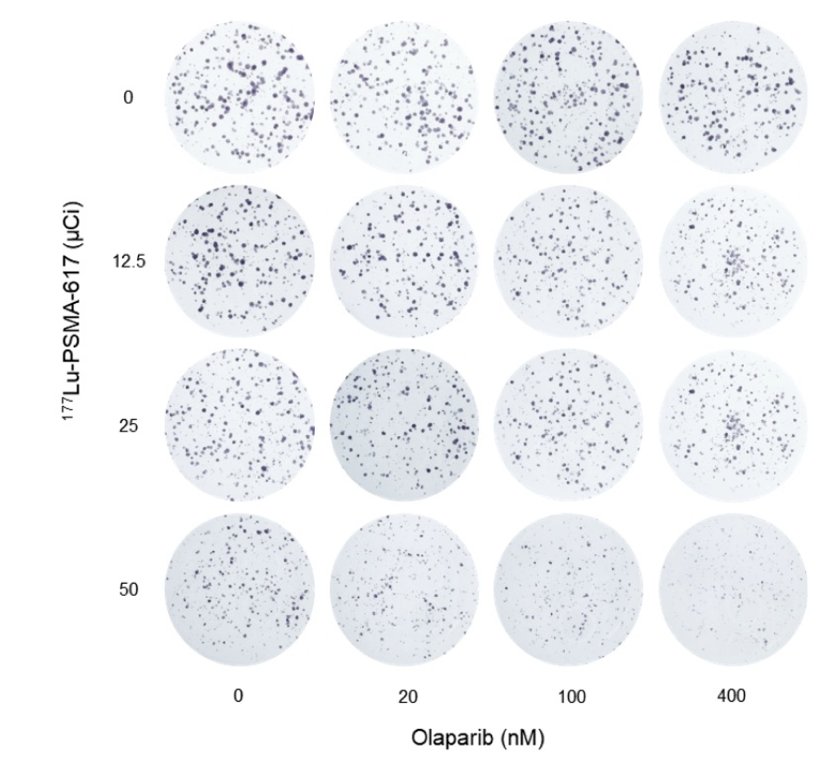
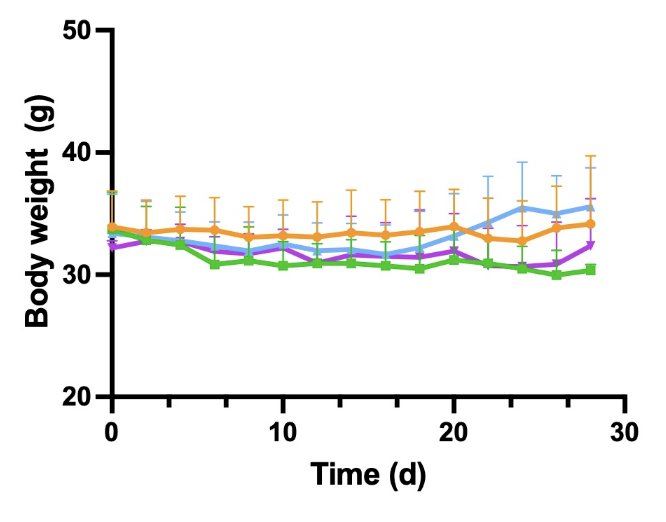
Radiosensitization was assessed by clonogenic survival. DNA damage and homologous recombination repair were evaluated using γ-H2AX and RAD51 foci immunofluorescence. Apoptosis was quantified by flow cytometry. RNA sequencing was performed for pathway enrichment analysis, followed by Western blot and functional metabolic assays, including glucose uptake, lactate production, and intracellular ATP levels. In vivo, PC3-PIP xenograft-bearing mice received olaparib (50 mg/kg), 177Lu-PSMA-617 (250 μCi), or the combination. Serial SPECT/CT imaging was performed on days 1, 3, 5, and 7 post-therapy. Tumors were analyzed by IHC (Ki-67) and apoptosis markers (TUNEL and related readouts), and toxicity was monitored by body weight and liver/renal function tests.
Clonogenic assays demonstrated a synergistic effect of olaparib when combined with 177Lu-PSMA-617. Combination therapy increased persistent DNA double-strand break signaling and homologous recombination repair activity, with a higher apoptotic fraction versus either monotherapy. RNA-sequencing revealed significant enrichment of glycolysis-related pathways following combination treatment:
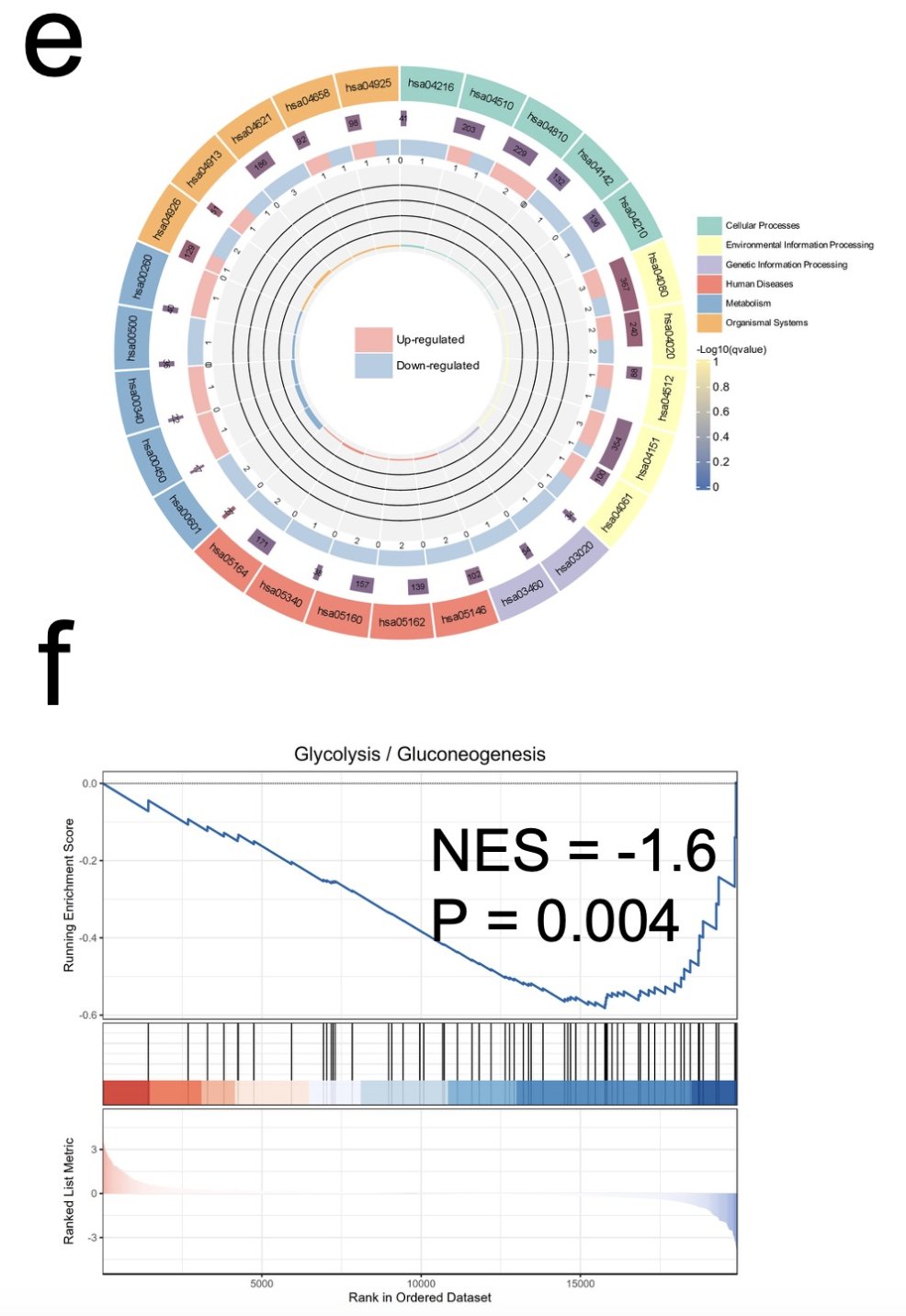
Consistently, glucose uptake, lactate generation, and ATP levels were markedly decreased in the combination group. In vivo, combination therapy achieved superior tumor growth inhibition compared with 177Lu-PSMA-617 alone, accompanied by reduced Ki-67 and increased TUNEL staining:
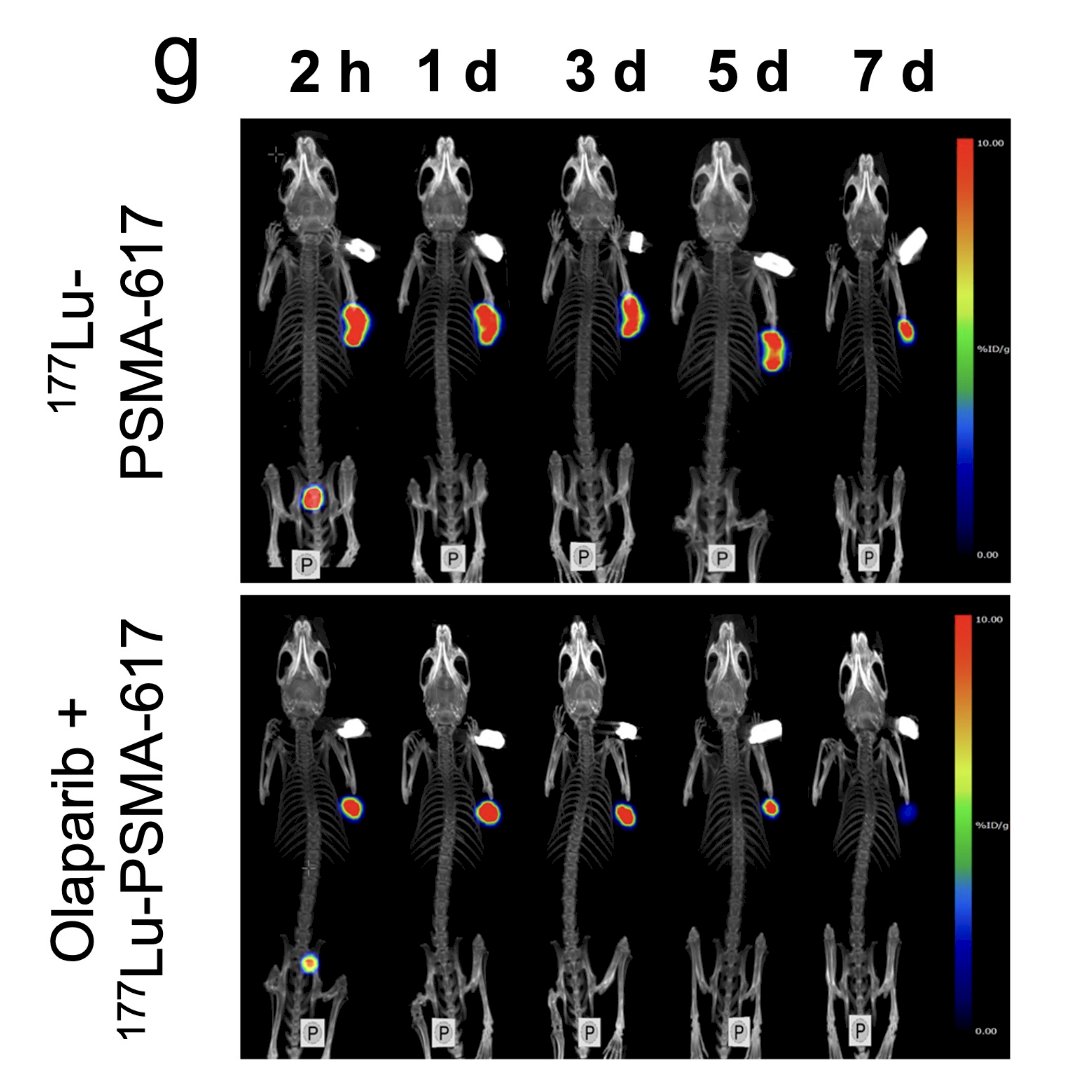
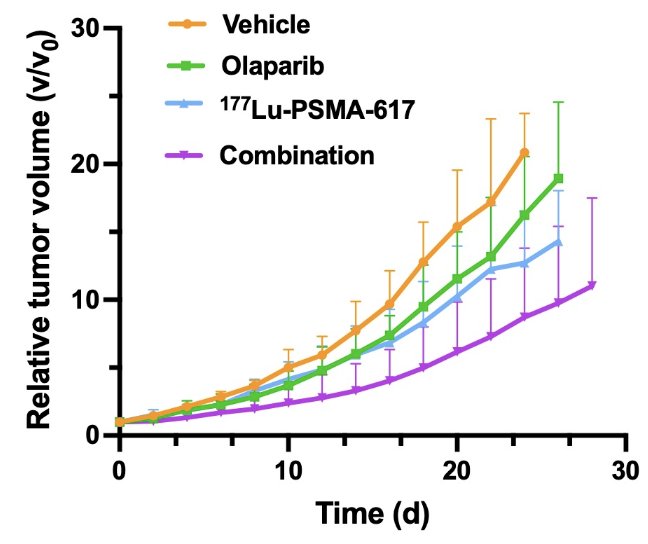
There was no overt additional toxicity observed:
Dr. Wu concluded this presentation discussing olaparib sensitizing prostate cancer to 177Lu-PSMA-617 radioligand therapy via suppression of glycolysis with the following take-home points:
- Olaparib potentiates 177Lu-PSMA-617 radioligand therapy in prostate cancer
- Multi-level evidence supports glycolysis modulation as a mechanistic contributor and a potential biomarker/therapeutic vulnerability for combination radioligand therapy
- These findings warrant further translational evaluation of PARP inhibition to improve PSMA-targeted radioligand therapy
Presented by: Qinghe Wu, PhD, National University of Singapore, Singapore.
Written by: Zachary Klaassen, MD, MSc – Urologic Oncologist, Associate Professor of Urology, Georgia Cancer Center, Wellstar MCG Health, @zklaassen_md on Twitter during the Society of Nuclear Medicine and Molecular Imaging (SNMMI) 2026 Annual Meeting, Los Angeles, CA, Sat, May 30 – Tues, Jun 2, 2026.