

(UroToday.com) The 2025 Society of Nuclear Medicine and Molecular Imaging (SNMMI) Annual Meeting held in New Orleans, LA, was host to a session on emerging, novel theranostic agents. Dr. James Buteau presented the first-in-human results of VIOLET, a single center, single arm, phase I/II study of Terbium-161 [161Tb]Tb-PSMA-I&T radioligand therapy in metastatic castration-resistant prostate cancer (mCRPC) patients.
177Lu-PSMA is an effective treatment for mCRPC, as it delivers targeted radiation that maximizes tumor cell killing while minimizing systemic side effects. However, even when a complete response is achieved in macroscopic disease, progression of mCRPC remains inevitable, underling the need for improved strategies to delay resistance and extend clinical benefit.
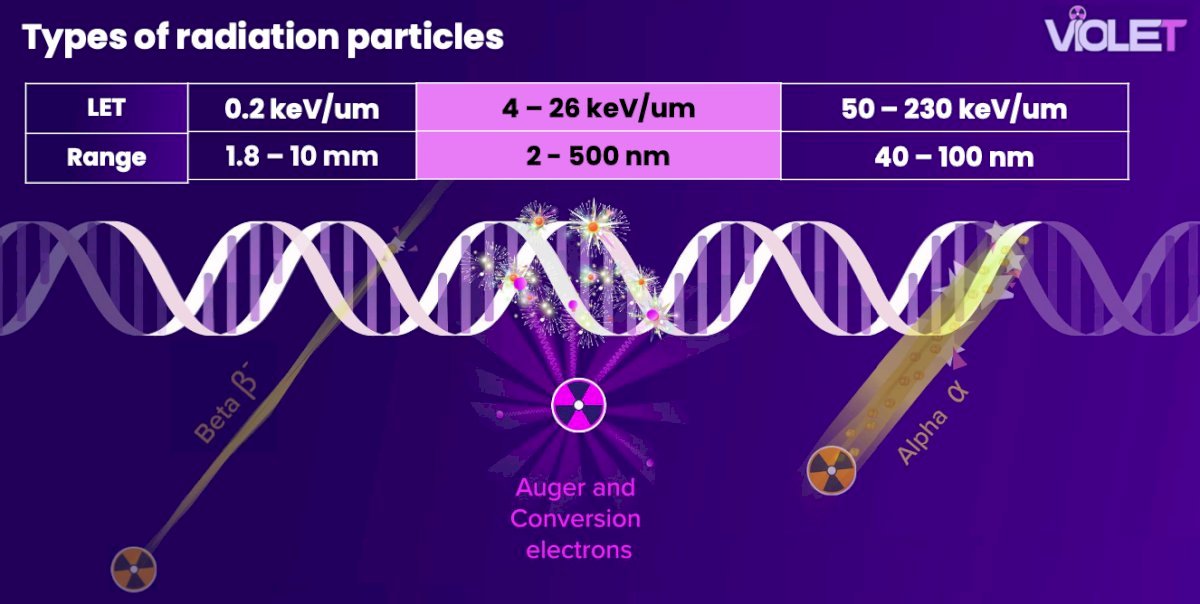
There are three types of radiation particles used in radioligand therapy based on their linear energy transfer (LET) and range in tissue:
- Beta emitters: Have a low linear energy transfer (LET) of ~0.2 keV/µm with a long range of 1.8–10 mm
- Alpha emitters: The ‘bowling ball’ of radiation particles – Have a higher LET of ~5-230 keV/µm with a shorter range of 40-100 nm
- Radiation particles that emit Auger and conversion electrons: A ‘middle ground’ between α and β emitters with an LET of 4-26 keV/µm and a range of 2-500 nm.
Terbium-161 (¹⁶¹Tb) is a promising theranostic radionuclide that binds to PSMA receptors and emits β-particles, with similar energy and half-life to ¹⁷⁷Lu, enabling effective crossfire radiation to target larger tumor volumes. In addition, ¹⁶¹Tb uniquely emits Auger electrons, which deposit high radiation energy over extremely short distances. This property may offer an advantage in eradicating micrometastatic disease, potentially outperforming ¹⁷⁷Lu in this setting.
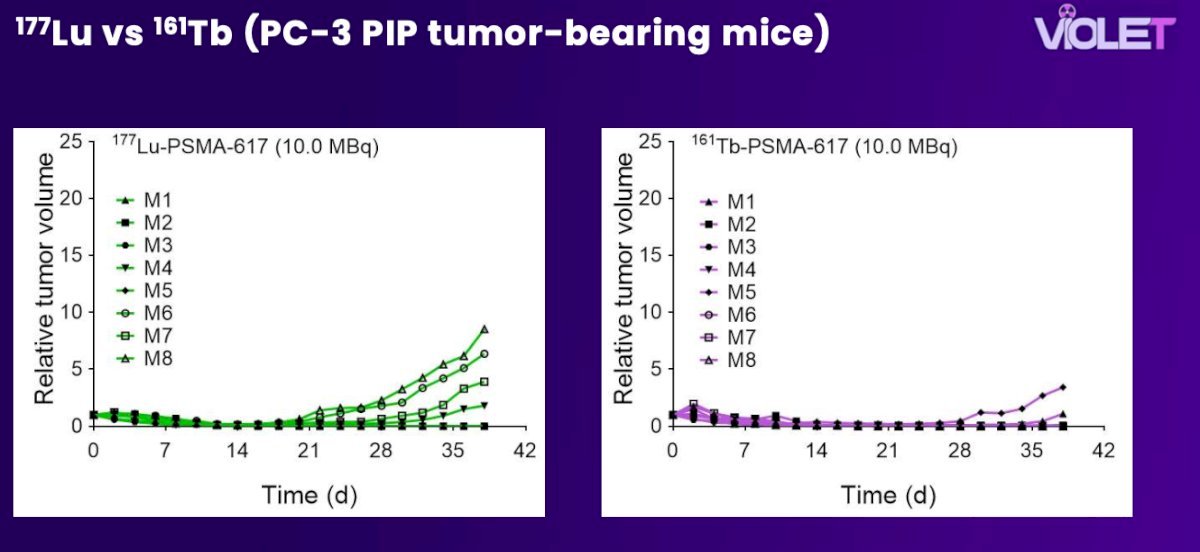
In a preclinical study, ¹⁶¹Tb -PSMA-617 demonstrated superior in vitro and in vivo efficacy in tumor-bearing mice compared to ¹⁷⁷Lu-PSMA-617. These findings support theoretical dose calculations suggesting that the additional emission of conversion and Auger electrons from ¹⁶¹Tb contributes to an enhanced therapeutic effect.1
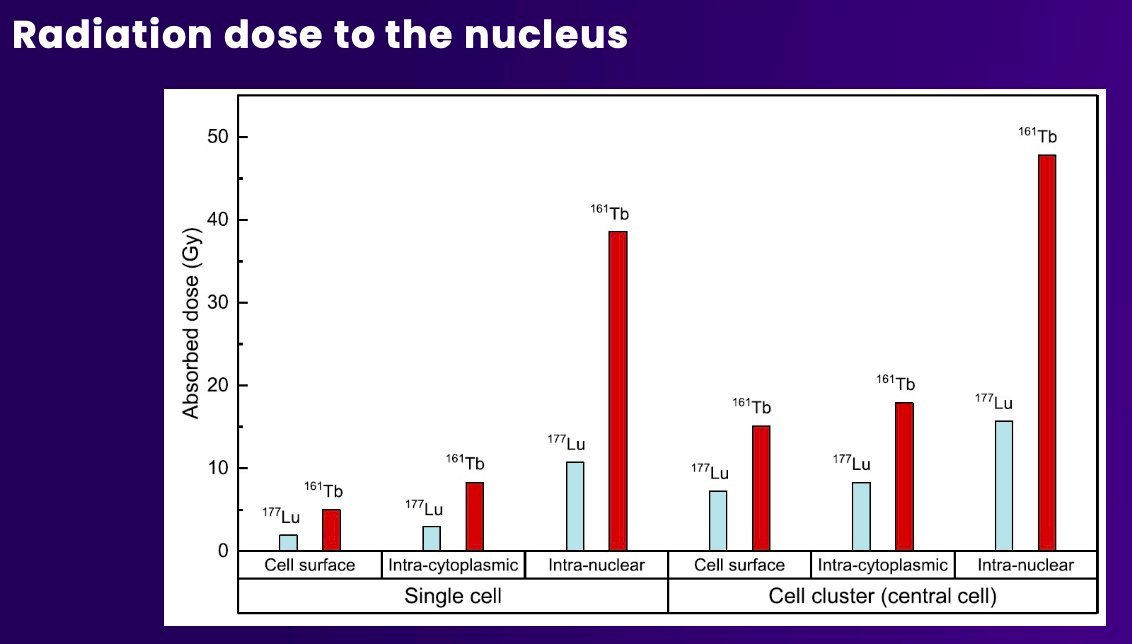
Moreover, in a dosimetric model study evaluating radiation delivery to the nucleus, ¹⁶¹Tb consistently demonstrated substantially higher absorbed doses compared to 177Lu across all intracellular localizations: 5 Gy vs. 1.9 Gy for cell surface distribution, 8.3 Gy vs. 3 Gy for intracytoplasmic distribution, and 38.6 Gy vs. 10.7 Gy for intranuclear localization.2
The VIOLET trial (NCT05521412) is a single-center, investigator-initiated phase I/II trial designed to evaluate a novel therapeutic approach in patients with mCRPC. Eligible patients must have progressed on at least one taxane (unless medically unsuitable) and an androgen receptor pathway inhibitor (ARPI) and had evidence of PSMA-positive disease on PET imaging (SUVmax ≥20) with no discordant FDG uptake. Participants were required to have adequate bone marrow, hepatic, and renal function, with an ECOG performance status of 0–2.
The study aimed to enroll 30–36 patients and included assessments such as CT, bone scan, PSMA, and FDG PET, PSA, ctDNA, and patient-reported outcomes (BPI-SF, FACT-P, and FACT-RNT).
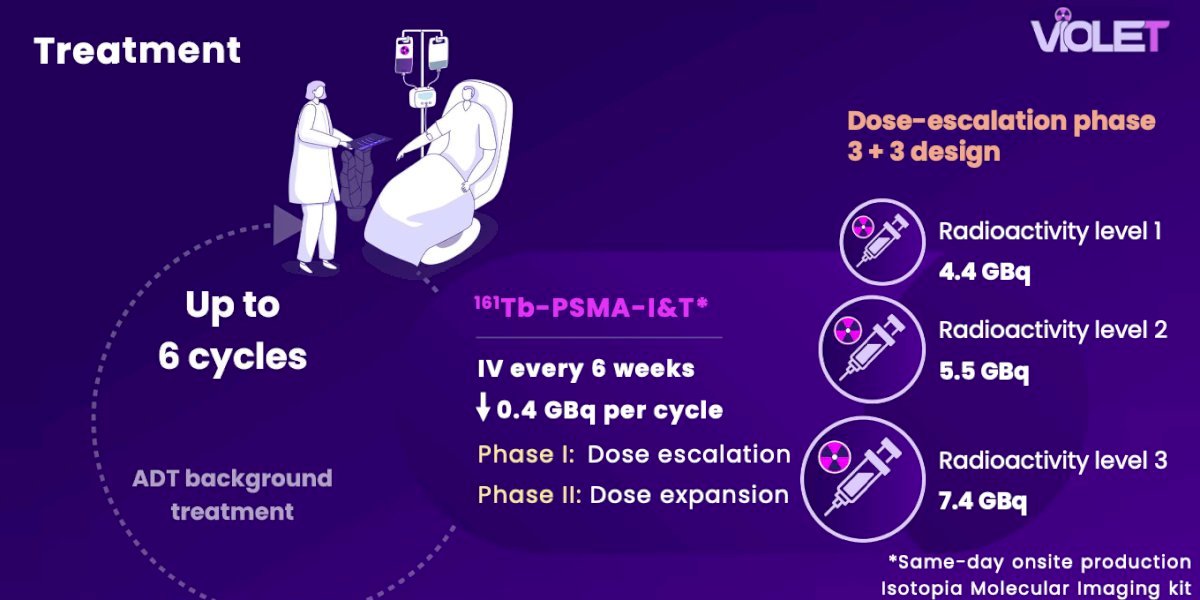
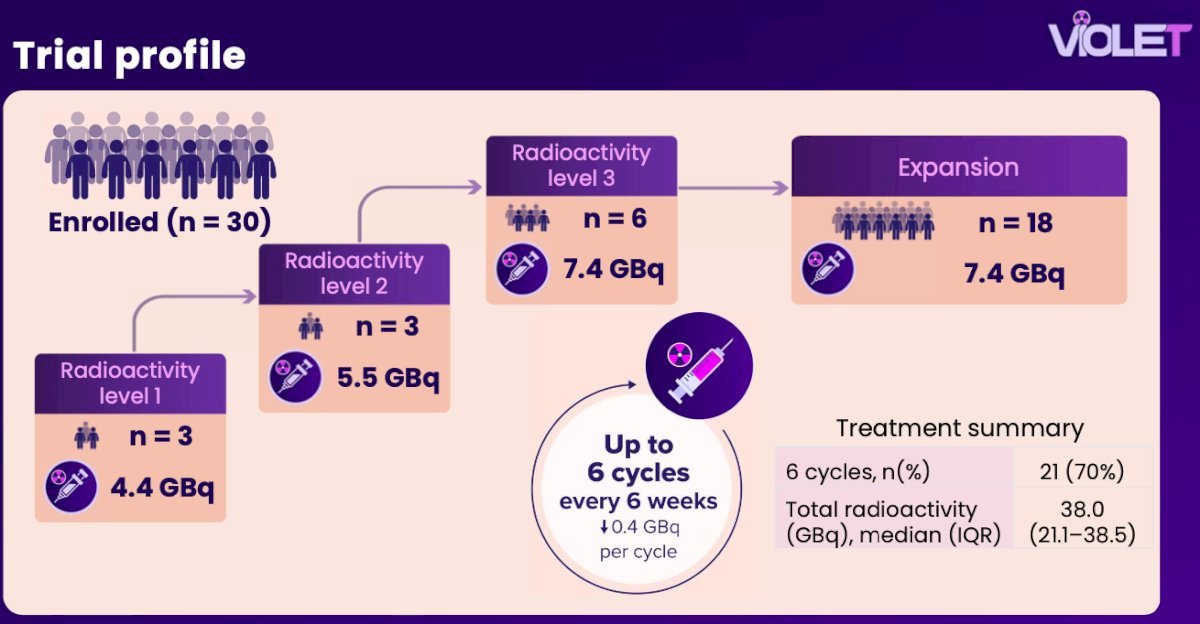
The VIOLET trial included a dose-escalation and dose-expansion design evaluating ¹⁶¹Tb -PSMA-I&T in patients with mCRPC. A standard 3+3 dose-escalation approach was employed, with three radioactivity levels: 4.4 GBq, 5.5 GBq, and 7.4 GBq administered intravenously every six weeks, with an added 0.4 GBq per cycle. In phase I, the goal was to identify the recommended phase II dose. In the phase II portion, patients received up to six cycles of therapy while continuing their background androgen deprivation therapy.
The VIOLET trial had two co-primary objectives:
- Determining the maximum tolerated radioactivity (defined as the highest dose level with fewer than one-third or two of six patients experiencing dose-limiting toxicity)
- Evaluating overall safety per CTCAE v5.0 criteria.
Secondary objectives included:
- Radiation dosimetry to normal organs and total tumor volume
- Patient-reported outcomes assessing quality of life (FACT-P) and pain (BPI-SF)
- Key efficacy endpoints such as PSA response, progression-free survival (PSA, radiographic, and composite), objective response rate, and overall survival.
A total of 33 patients were assessed for eligibility in the VIOLET trial, with 3 excluded due to low PSMA uptake or FDG discordance. Notably, enrollment was completed 8 months ahead of schedule. Among those treated, 3 patients received radioactivity level 1, 3 received level 2, and 6 received level 3. An additional 18 patients were treated in the dose expansion cohort. Overall, 21 patients (70%) completed all 6 treatment cycles, with a median total administered radioactivity of 38 GBq (IQR 21.1–38.5).
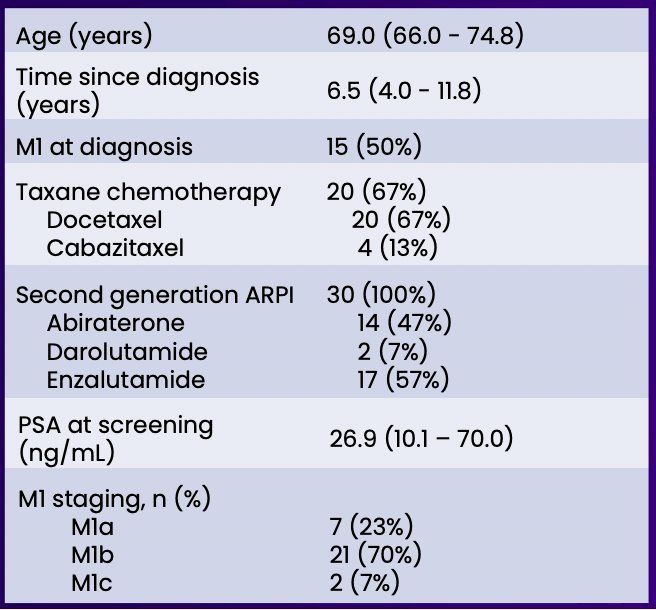
The median patient age was 69 years, with a median time from prostate cancer diagnosis of 6.5 years. Notably, 50% of participants had de novo metastatic hormone-sensitive disease at initial diagnosis. All patients had received a second-generation ARPI, and 67% had also received prior chemotherapy.
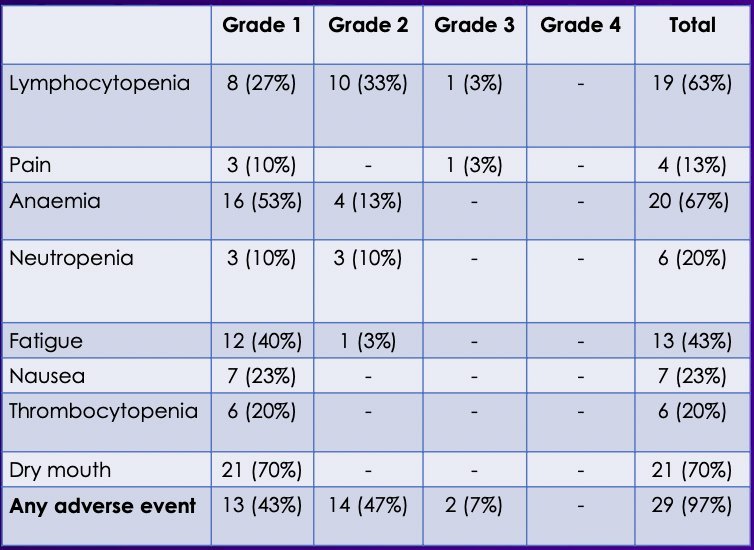
No dose-limiting toxicities were observed. Treatment-related Grade 3/4 adverse events occurred in only 2 patients (7%), with no instances of radioactivity dose reduction, no cycle delays, and no treatment-related deaths.
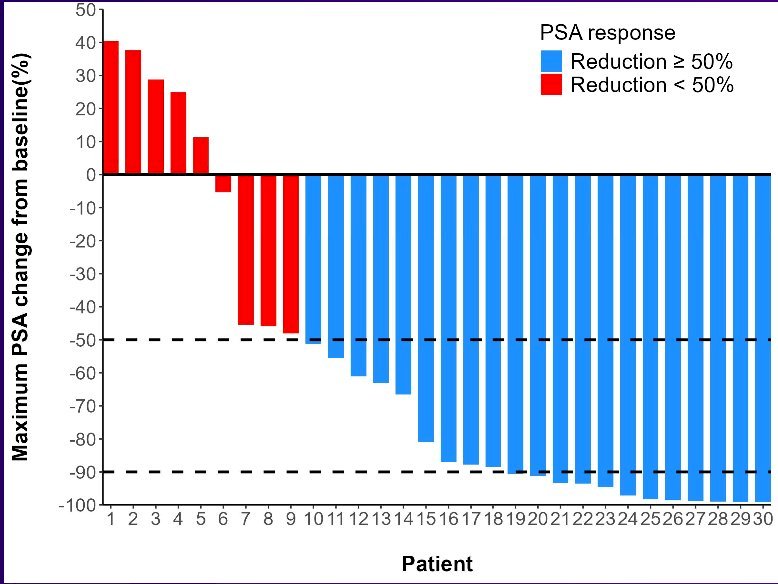
The PSA50 response rate in the VIOLET trial was 70% (95% CI, 51–85), while the PSA90 response rate was 40% (95% CI, 23–59) as shown in the waterfall plot below.
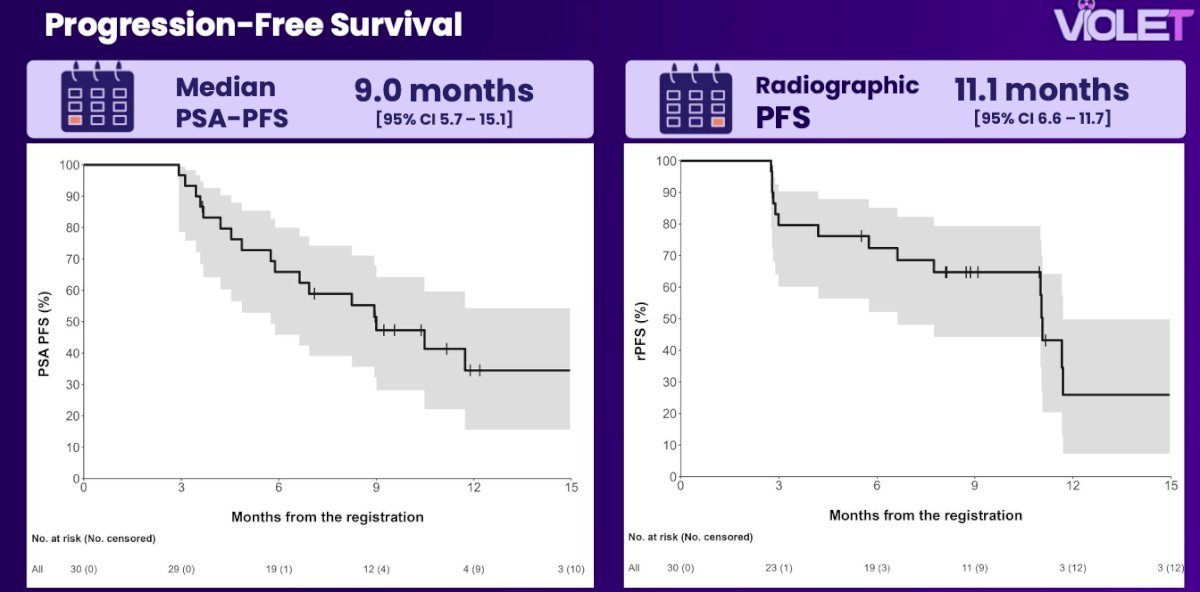
The median PSA progression-free survival (PSA-PFS) was 9 months (95% CI, 5.7–15.1), while the median radiographic progression-free survival (rPFS) was 11 months (95% CI, 6.6–11.7).
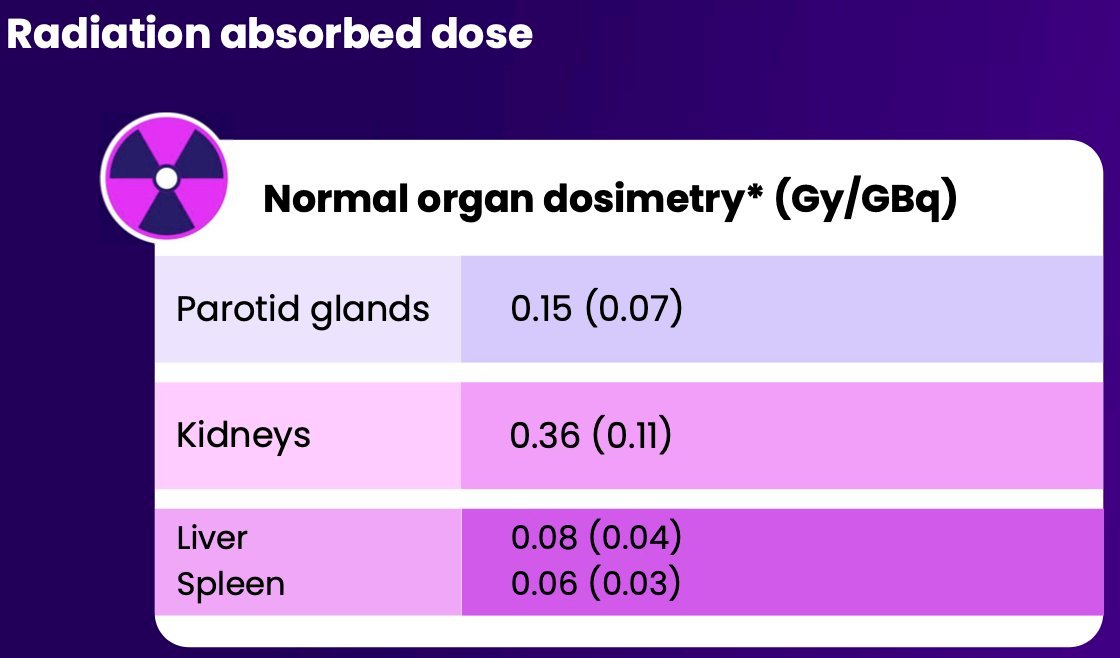
Organ dosimetry analysis showed that radiation absorbed doses to normal tissues remained within acceptable safety margins. The mean absorbed doses (in Gy/GBq) were 0.15 for the parotid glands, 0.36 for the kidneys, 0.08 for the liver, and 0.06 for the spleen, which are the potential dose-limiting organs.
Dr. Buteau highlighted several key aspects of the VIOLET trial. Among the major strengths were the fact that this was a first-in-human study, recruitment was completed ahead of schedule, and the logistics were similar to those already established for 177Lu-PSMA.
Limitations included its single-cohort design, limited dosimetry data, especially regarding blood and Auger electrons, and the fact that dosing only reached up to 7.4 GBq. It is hard to say with this data that this is superior to 177Lu-PSMA, and comparative studies are needed.
Looking ahead, a 9.5 GBq cohort is currently recruiting, with future directions including larger phase III trials and exploration of earlier use, as we know 177Lu-PSMA performs better when introduced earlier. A summary slide of the trial is shown below.
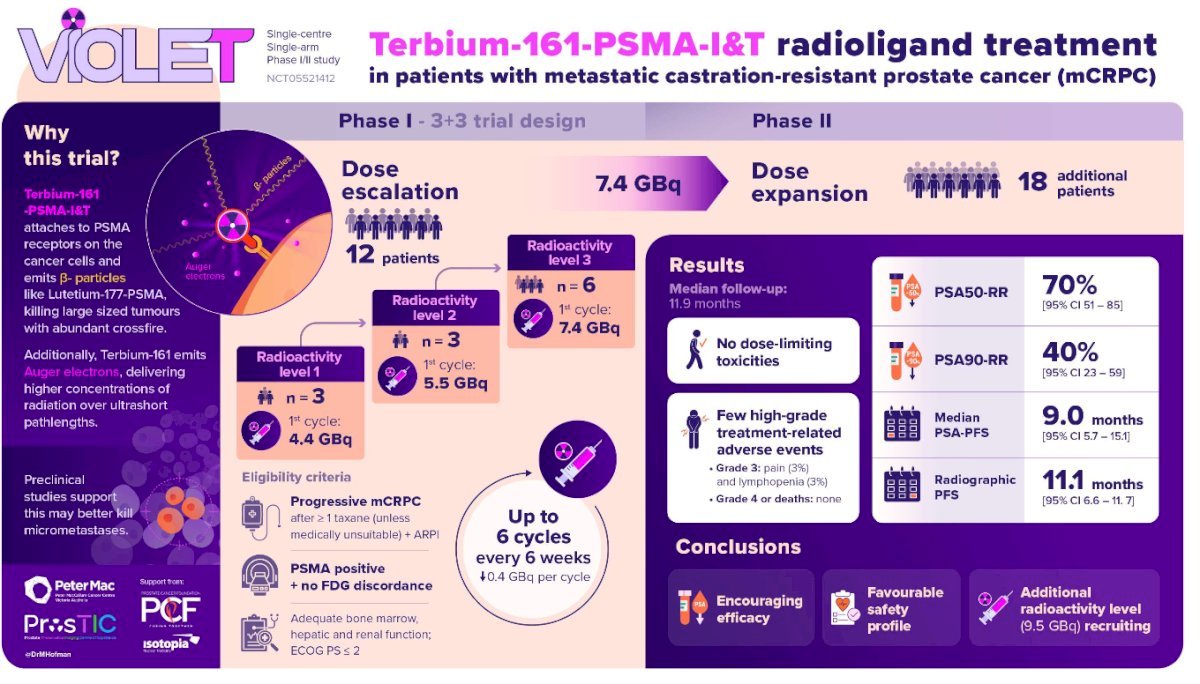
Dr. Buteau concluded with the following key takeaway points:
- This study represents the first-in-human use of Terbium-161 across all cancer types.
- In patients with progressive mCRPC, Terbium-161 PSMA-I&T demonstrated a favorable safety profile, even at doses up to 7.4 GBq.: Only 2 patients (7%) experienced treatment-related grade 3–4 adverse events. No treatment-related dose reductions, delays, or deaths were reported.
- Early signals of efficacy were encouraging:
- A PSA ≥90% decline was observed in 40% of patients (95% CI, 23–59).
- The median radiographic progression-free survival was 11.1 months (95% CI, 6.6–11.7)
Presented by: James Buteau, MD, FRACP, FRCPC, Nuclear Medicine Physician, Peter MacCallum Cancer Cenre, Victoria, Australia
Written by: Rashid K. Sayyid, MD, MSc – Robotic Urologic Oncology Fellow at The University of Southern California, @rksayyid on Twitter during the 2025 Society of Nuclear Medicine and Molecular Imaging (SNMMI) Annual Meeting, New Orleans, LA, June 21st – 24th, 2025
References:
- Müller C, Umbricht CA, Gracheva N, et al. Terbium-161 for PSMA-targeted radionuclide therapy of prostate cancer. Eur J Nucl Med Mol Imaging. 2019; 46(9):1919-30.
- Alcocer-Ávila ME, Ferreira A, Quinto MA, et al. Radiation doses from 161Tb and 177Lu in single tumour cells and micrometastases. EJNMMI Phys. 2020; 7(1):33.