

(UroToday.com) The 2026 SESAUA annual meeting featured a health services research session and presentation by Dr. Evalyn George discussing the patient understanding of quality of life outcomes in prostate cancer treatments. Prostate cancer is a variable disease with innumerable treatment options, each carrying unique side-effect profiles. This makes patient counseling a complicated task, necessitating a personalized approach to an individual’s goals of care and acceptable side effects.
This study qualitatively assessed patient perception of the pre-treatment counseling on quality of life outcomes for active surveillance, radiation therapy, or surgical treatment in a diverse patient population. As such, Dr. George and colleagues aimed to further clarify where communication barriers exist in pre-treatment counseling and how these barriers later affected patients.
Eligible patients had clinically localized prostate cancer without nodal or distant metastasis, and had undergone radiation therapy, prostatectomy, or focal therapy, or active surveillance for 12 months to 5 years. The investigators then performed semi-structured interviews, addressing the patient’s experience regarding discussion and disclosure of sexual orientation, support networks, risk and benefits discussed prior to treatment selection, final treatment selection and reasoning, the changes that they underwent given the treatment, the preparedness for such changes supplied by pre-treatment counselling, and treatment regret. Using NVIVO, interviews were then coded with two-coder agreement:
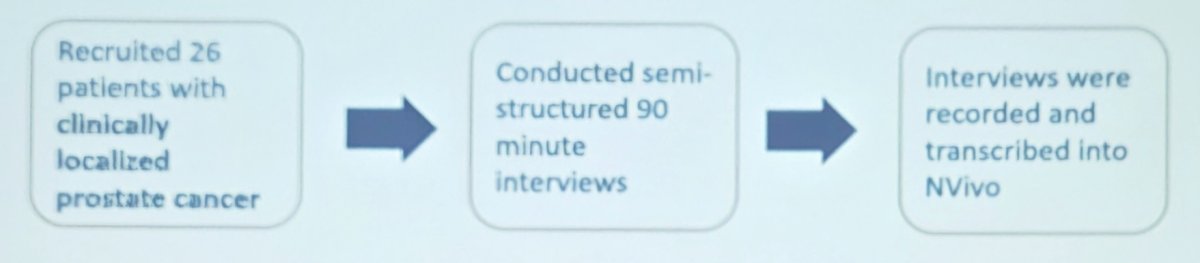
Dr. George and colleagues interviewed 26 patients: 9 treated with prostatectomy, 9 with radiation, and 8 with active surveillance. Post-interview analysis identified three unique themes.
- Patients reported significant communication gaps with their clinician. This included inconsistent or insufficient communication about side effects and long-term outcomes, as well as dismissiveness of reported symptoms, particularly involving sexual health. Patients valued when clinicians initiated conversations about sexual health, since they were often reluctant to bring it up on their own
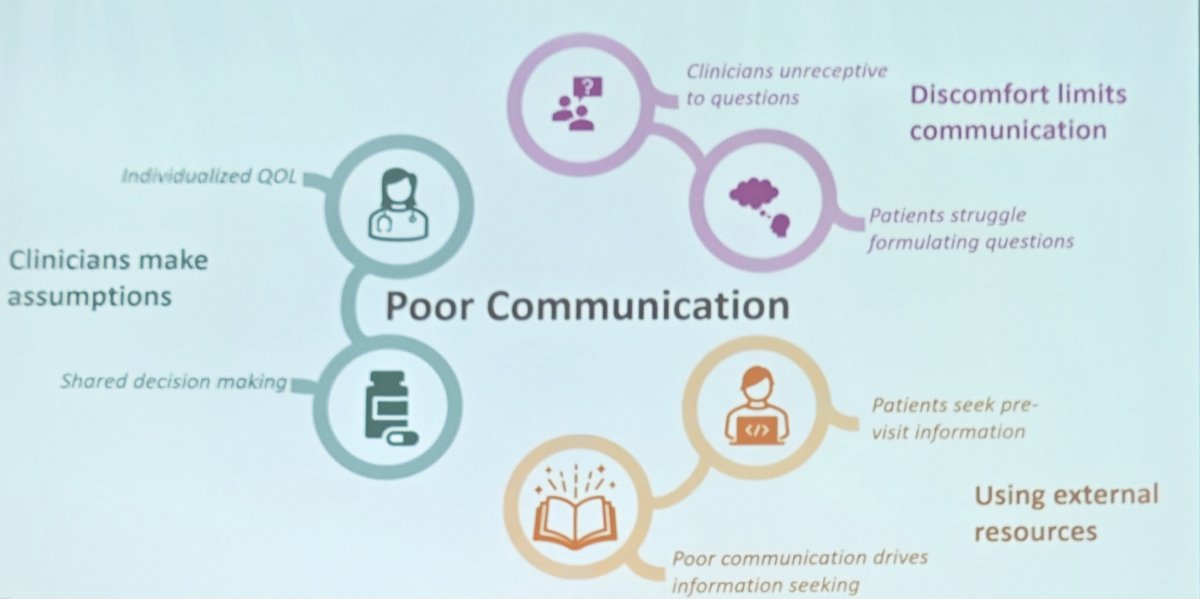
- Patients emphasized unexpected psychosocial impacts. Quality of life extended beyond the physical symptoms, and patients reported adapting their perceptions of mortality, intimacy, and physical limitations
- Patient’s partners played a significant role in treatment decisions, recovery, and quality of life
Dr. George concluded her presentation discussing the patient understanding of quality of life outcomes in prostate cancer treatments with the following take-home points:
- This diverse sample illustrates the diverse experiences and needs in terms of quality of life after treatment
- Men expressed dissatisfaction with their provider’s counseling, noting substantial misinformation about quality of life outcomes following prostate cancer treatment
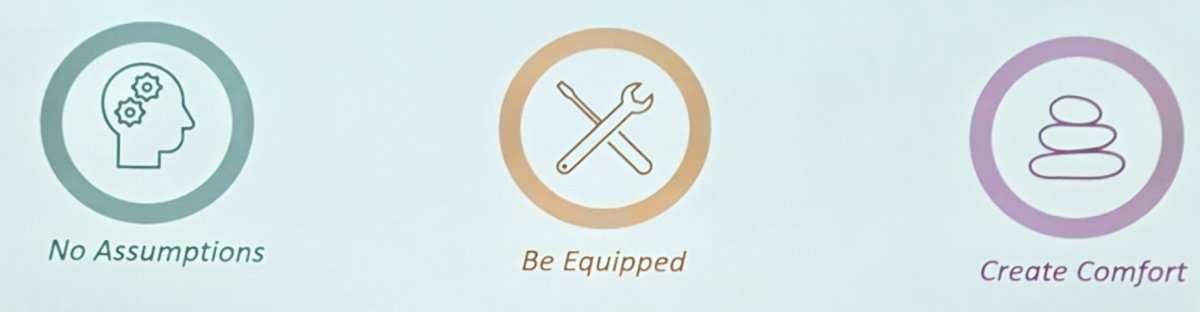
- This research highlights the importance of clinician-led discussions of topics that might become relevant to patients after treatment, including sexual health, while addressing both symptoms and how those symptoms impact quality of life, and incorporating partner involvement when desired by the patient
Presented by: Evalyn George, MD, Duke University, Durham, NC
Written by: Zachary Klaassen, MD, MSc – Urologic Oncologist, Associate Professor of Urology, Georgia Cancer Center, Wellstar MCG Health, @zklaassen_md on Twitter during the 2026 Southeastern Section of the American Urological Association (SESAUA) Annual Meeting, San Juan, PR, Wed, Mar 18 – Sat, Mar 21, 2026.