

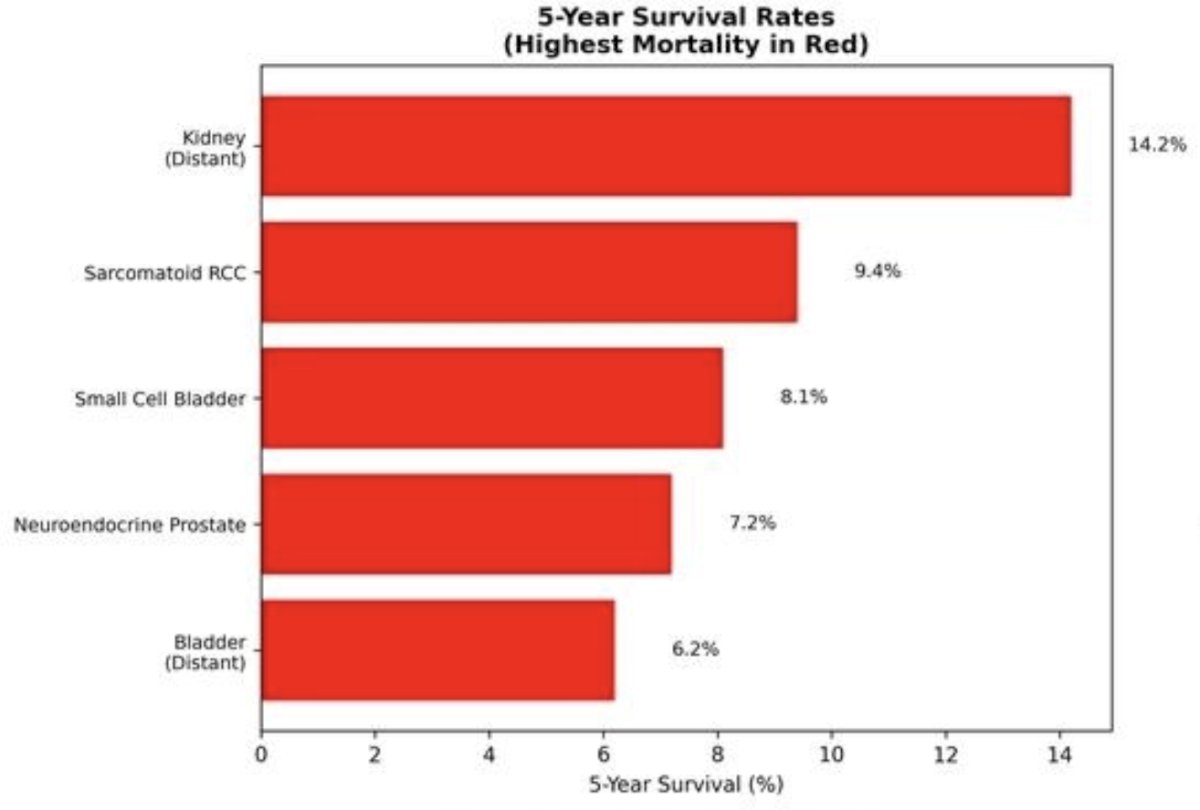
(UroToday.com) The 2026 SESAUA annual meeting featured an artificial intelligence session and presentation by Dr. Garrett Brinkley discussing a TCGA-based molecular analysis assessing novel FDA drug repurposing strategies for high-mortality urologic cancers. High-mortality urologic cancers represent a critical unmet medical need, with 5-year survival rates below 10% for aggressive variants, including distant bladder cancer (6.2% survival), neuroendocrine prostate cancer (7.2%), small cell bladder cancer (8.1%), and sarcomatoid renal cell carcinoma (9.4%):
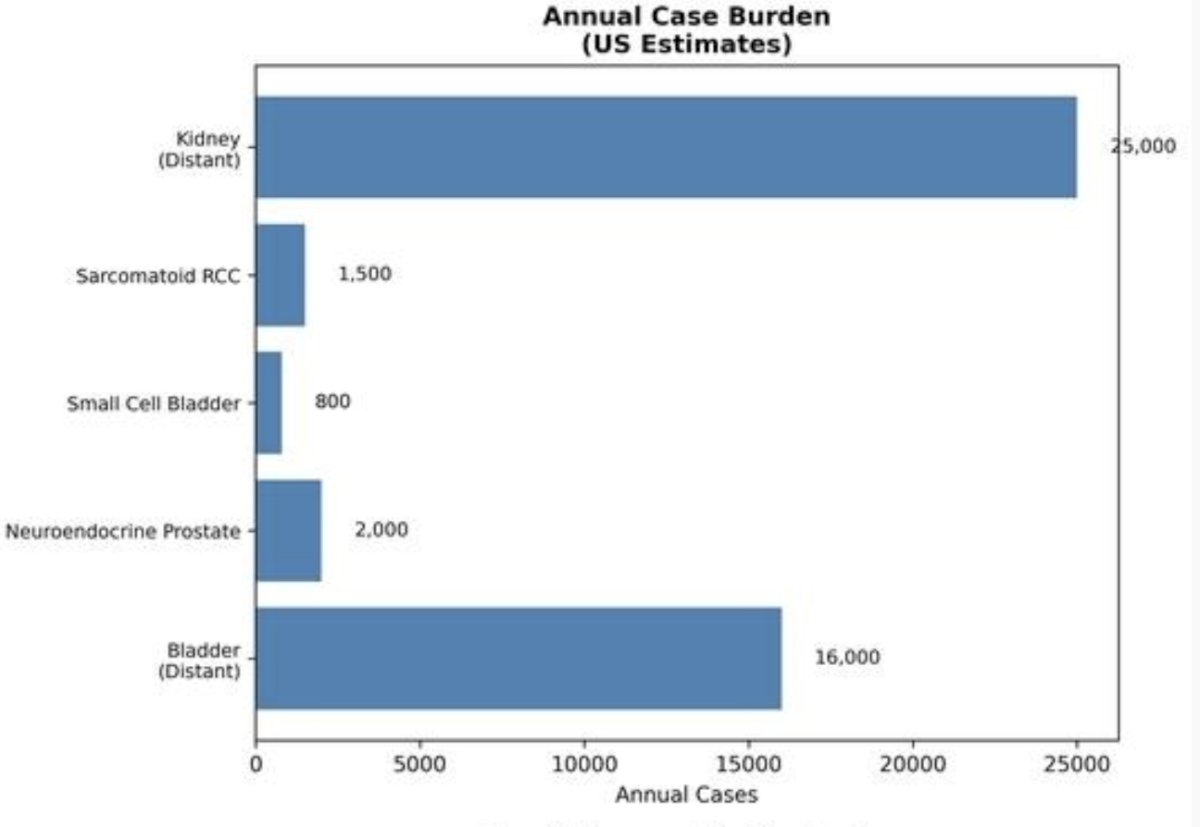
The annual case burden for these rare malignancies is highlighted as follows:
Despite advances in targeted therapy, treatment options remain extremely limited. Dr. Brinkley and colleagues aimed to identify immediate therapeutic strategies through a comprehensive analysis of The Cancer Genome Atlas (TCGA) molecular data and systematic evaluation of FDA-approved drug repurposing opportunities for rapid clinical translation.
The investigators analyzed comprehensive molecular data from TCGA cohorts, including bladder urothelial carcinoma (n = 412), kidney renal clear cell carcinoma (n = 533), and prostate adenocarcinoma (n = 497). Molecular alterations were systematically mapped to FDA-approved targeted therapies, with emphasis on drugs approved for non-urologic indications. Patient eligibility was determined using real mutation frequencies from published TCGA datasets. Drug repurposing potential was evaluated based on molecular target relevance, current FDA approval status, established safety profiles, and clinical feasibility for immediate off-label use.
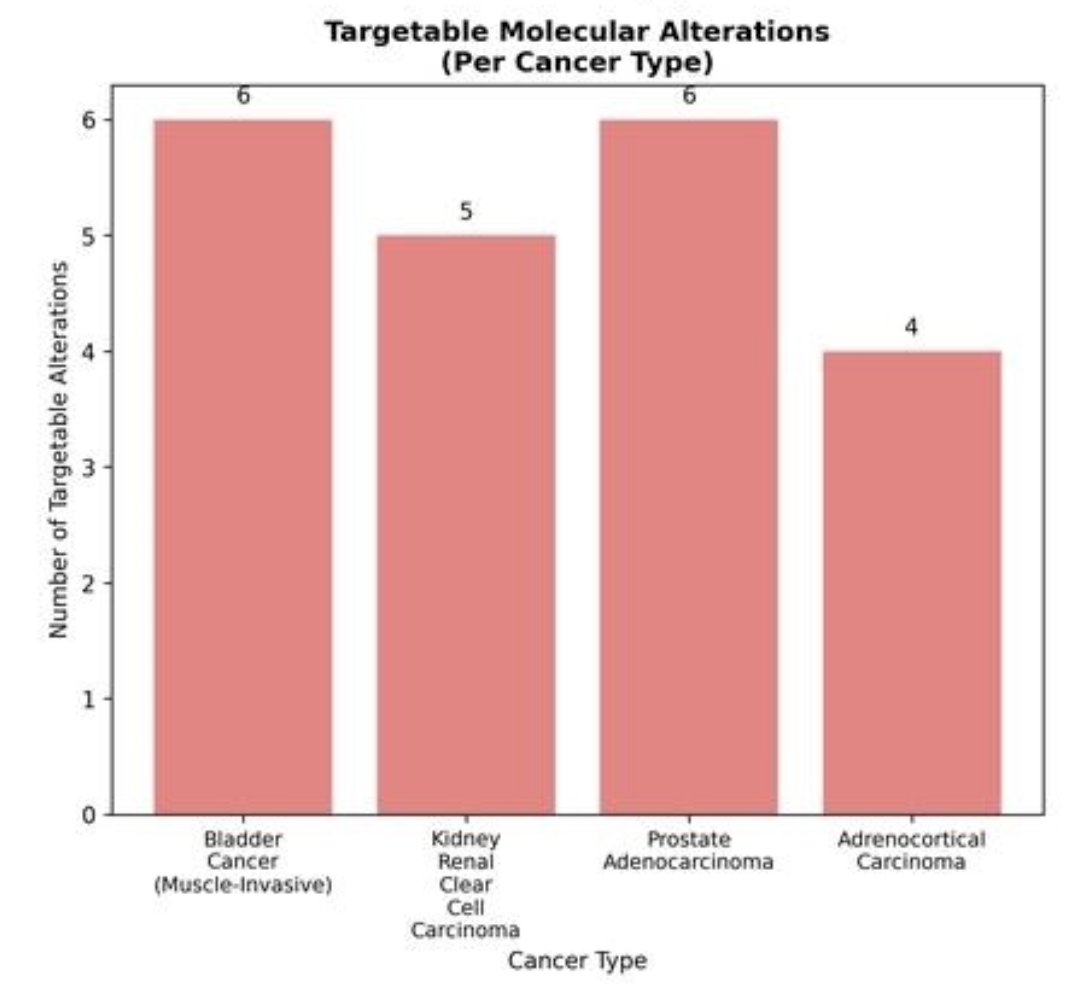
Analysis revealed multiple actionable molecular alterations across high-mortality urologic cancers: PIK3CA mutations in 22.1% of bladder cancer patients (91/412), MTAP deletions in 30.1% (123/408), DNA repair defects in 21.1% (87/412), and CDKN2A deletions in 33.3% (136/408). In neuroendocrine prostate cancer, RB1 loss occurred in 90% of cases, AURKA amplification in 65%, and TP53 mutations in 85%. Per cancer type, there were 6 targetable molecular alterations for muscle invasive bladder cancer, 5 for clear cell renal cell carcinoma, 6 for prostate adenocarcinoma, and 4 for adrenocortical carcinoma:
They also identified 15 FDA-approved drugs suitable for immediate repurposing, including alpelisib (PIK3CA inhibitor) for mutated bladder cancer, palbociclib (CDK4/6 inhibitor) for CDKN2A-deleted cases, talazoparib (PARP inhibitor) for DNA repair-deficient tumors, and venetoclax (BCL2 inhibitor) for RB1-deficient neuroendocrine prostate cancer. The novel therapeutic strategies per cancer type are highlighted in the following figure:
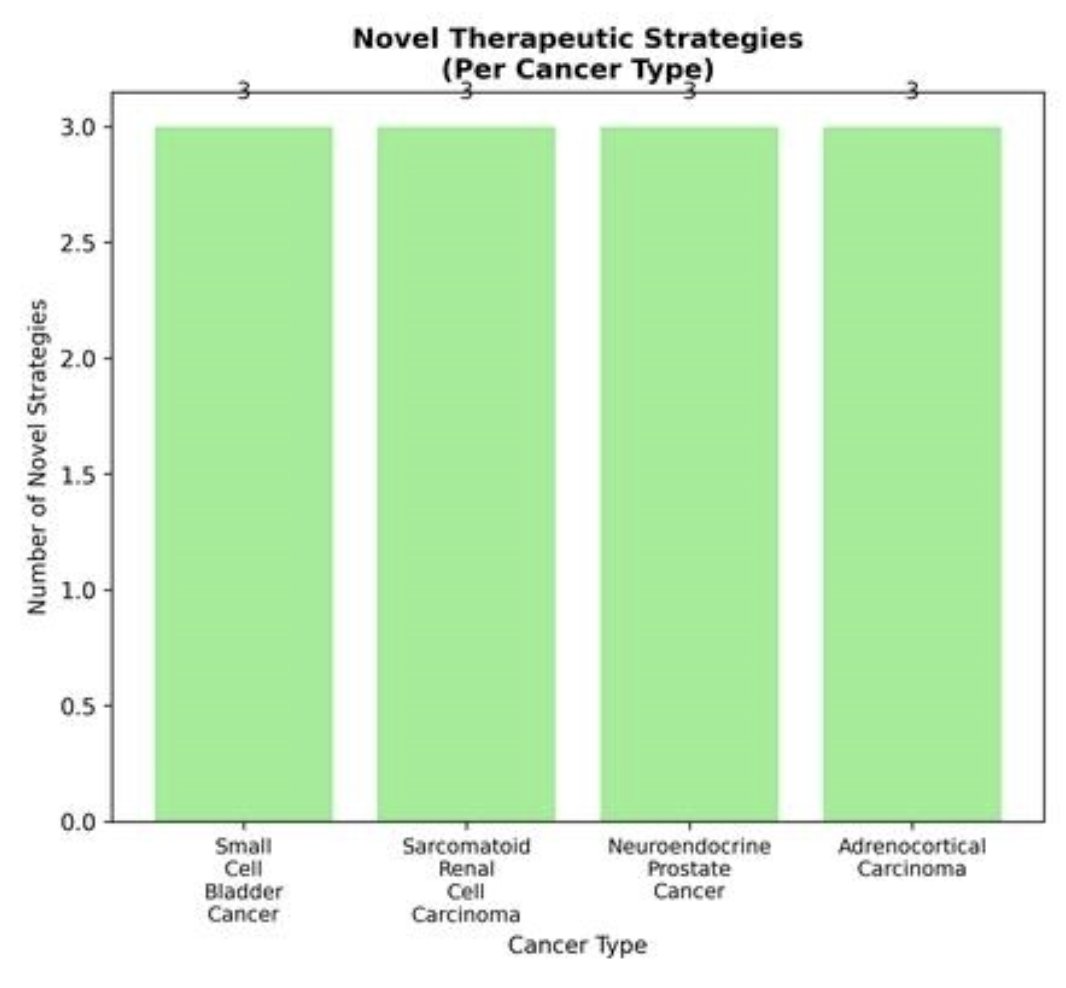 These strategies could benefit approximately 2,400 patients annually.
Dr. Brinkley concluded his presentation discussing a TCGA-based molecular analysis assessing novel FDA drug repurposing strategies for high-mortality urologic cancers with the following take-home points:
- This comprehensive TCGA-based analysis identifies multiple FDA-approved drugs that can be immediately repurposed for high-mortality urologic cancers based on a strong molecular rationale
- The molecular-based patient stratification enables precision medicine approaches with established safety profiles, offering immediate hope for patients with limited therapeutic options
- This approach represents a paradigm shift from traditional drug development to rational repurposing of existing agents, enabling clinical benefit within months instead of decades for patients with the worst prognoses in urologic oncology
Presented by: Garrett Brinkley, MD, Tulane University, New Orleans, LA
Written by: Zachary Klaassen, MD, MSc – Urologic Oncologist, Associate Professor of Urology, Georgia Cancer Center, Wellstar MCG Health, @zklaassen_md on Twitter during the 2026 Southeastern Section of the American Urological Association (SESAUA) Annual Meeting, San Juan, PR, Wed, Mar 18 – Sat, Mar 21, 2026.