

(UroToday.com) The 2025 European Society of Medical Oncology (ESMO) Annual Congress held in Berlin, Germany, was host to the Poster presentation session. Dr. Jabra Zarka presented the poster LuRa: Efficacy and Tolerability of Radium-223 Following [177Lu]Lu-PSMA-617 in Patients with Metastatic Castration-Resistant Prostate Cancer.
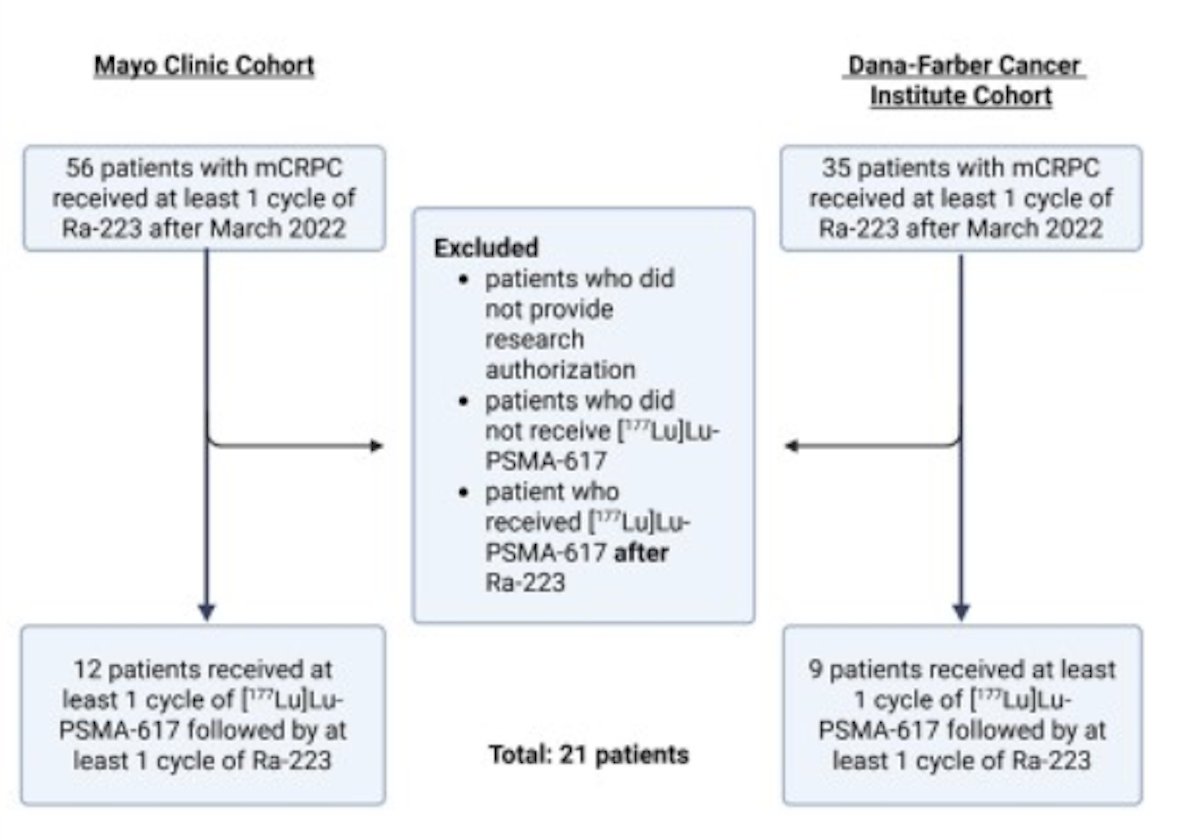
Dr. Zarka began his presentation by describing the study population, which included patients with mCRPC treated with sequential ¹⁷⁷Lu-PSMA-617 followed by Ra-223 across two institutional cohorts. From the Mayo Clinic, 56 patients received at least one cycle of Ra-223 after March 2022, and from Dana-Farber Cancer Institute, 35 patients were included in this analysis. A total of 21 patients were included, 12 from Mayo Clinic and 9 from Dana-Farber, each having received at least one cycle of ¹⁷⁷Lu-PSMA-617 followed by at least one cycle of Ra-223.
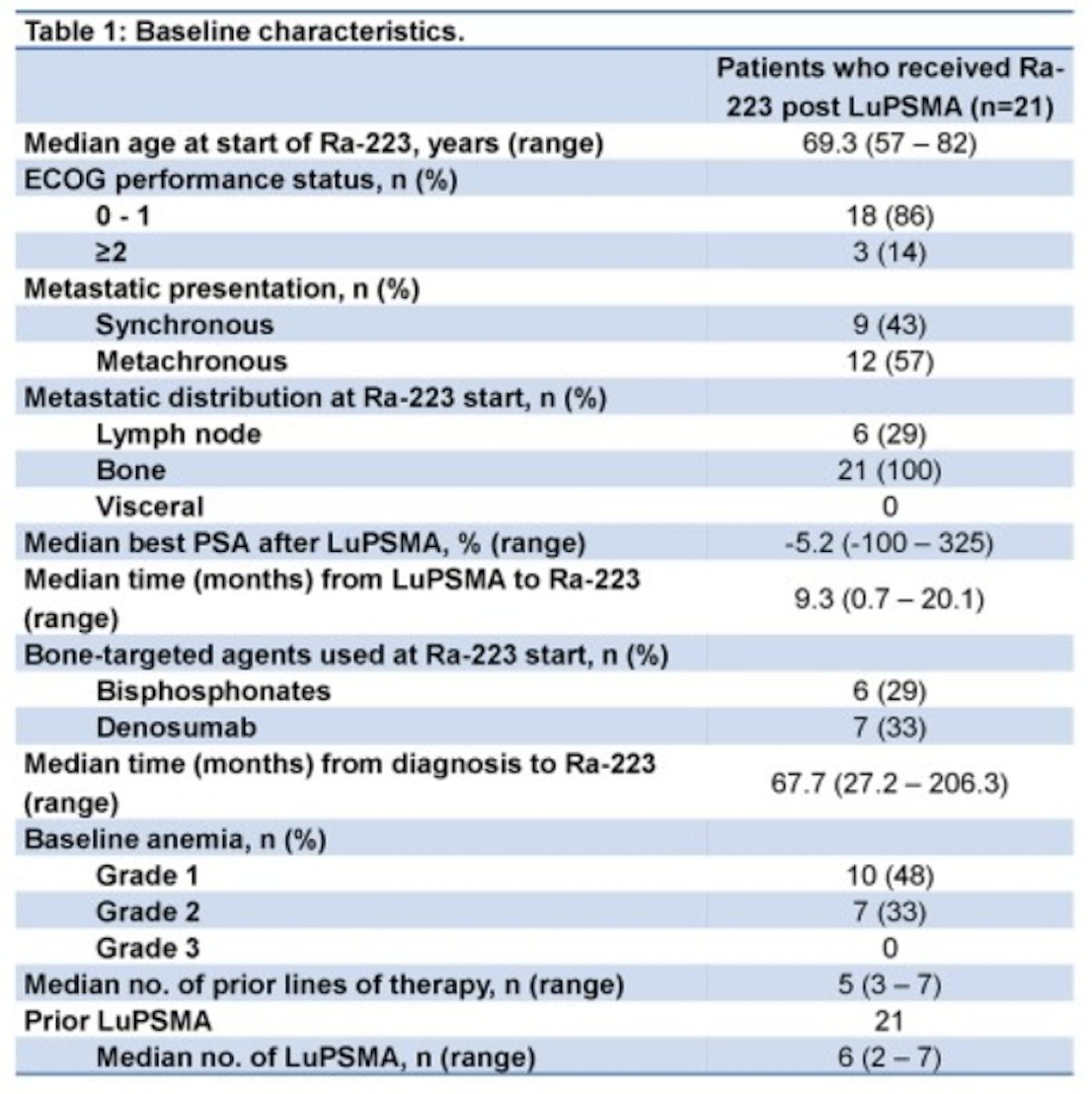
Baseline characteristics of the combined cohort (n=21) were presented. The median age at the start of Ra-223 was 69.3 years (range 57–82), with most patients (86%) having an ECOG PS of 0–1. The majority (57%) had metachronous metastases, and all patients (100%) had bone metastases at the time of Ra-223 initiation, while 29% also had lymph node involvement and none had visceral disease. The median time from diagnosis to Ra-223 start was 67.7 months (range 27.2–206.3), and 81% of patients had baseline anemia (mostly grade 1–2). The median number of prior therapy lines was 5 (range 3–7) as outline below.
The median follow-up was 5.9 months (range 2.6–20.4). Patients received a median of 3 cycles of Ra-223 (range 1–6). Most patients (38%) received three cycles, while 19% completed all six. Treatment discontinuation before cycle six occurred mainly due to disease progression (62%), while toxicity and ongoing treatment each accounted for 10% of cases. Two patients (10%) stopped treatment due to toxicity, and four (19%) completed the planned course.

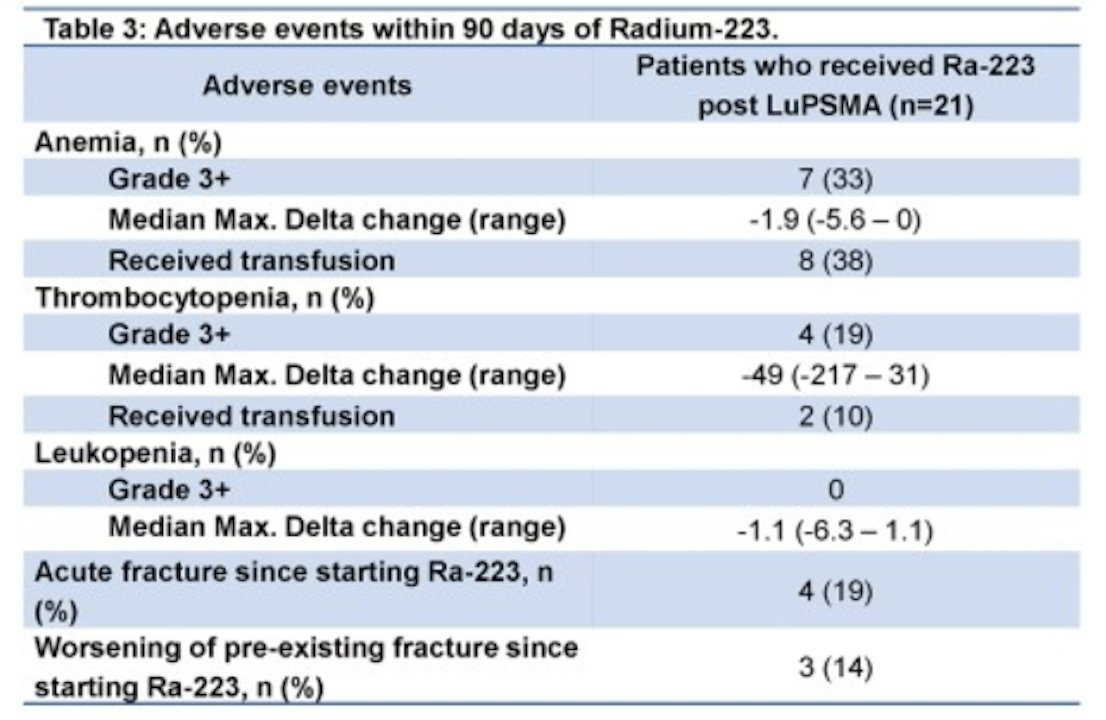
Within 90 days of Ra-223 administration, anemia was the most frequent adverse event, occurring in 33% of patients, with 38% requiring transfusion. Thrombocytopenia was observed in 19% of patients, with 10% requiring transfusion. No cases of leukopenia grade ≥3 were reported. The median maximum change in hemoglobin was 1.9 g/dL, and for platelets, 49 ×10⁹/L. Additionally, 19% of patients experienced an acute fracture, and 14% had worsening of a pre-existing fracture during treatment. Overall, the hematologic toxicity profile appeared manageable and consistent with prior Ra-223 experience as shown below.
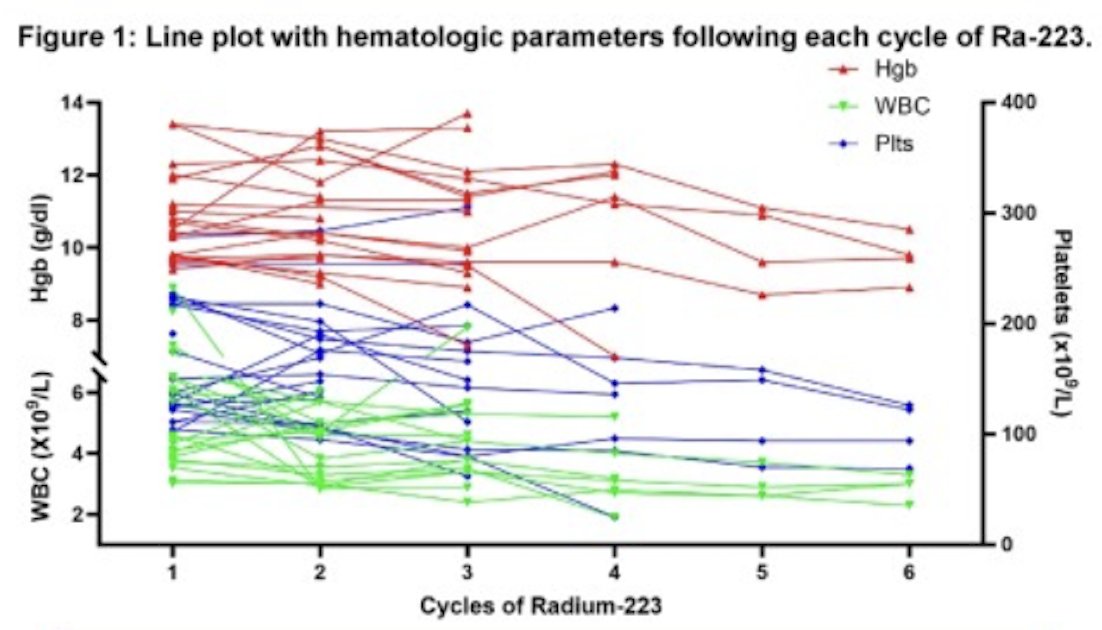
Moreover, serial hematologic monitoring throughout Ra-223 treatment showed mild declines in hemoglobin, white blood cell, and platelet counts over time, without evidence of abrupt or severe cytopenias. As illustrated in the line plot, hematologic parameters remained relatively stable across cycles, suggesting that sequential treatment with ¹⁷⁷Lu-PSMA-617 followed by Ra-223 was generally well tolerated, with no cumulative marrow suppression observed during therapy.
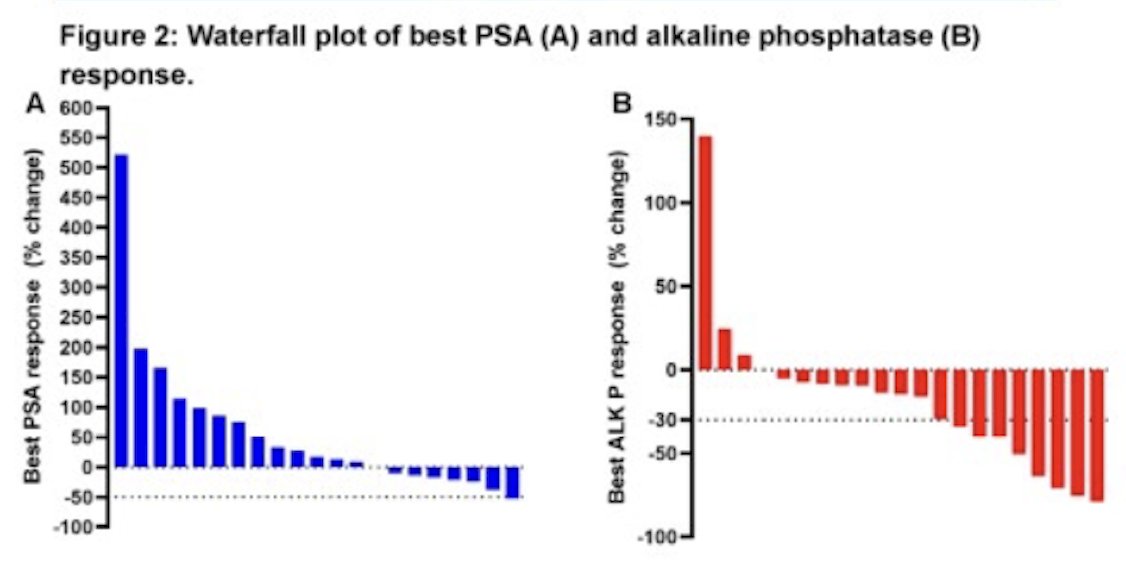
In terms of efficacy, Dr. Zarka highlighted that although PSA responses were limited, several patients demonstrated biochemical benefit, while reductions in alkaline phosphatase were more common reflecting potential control of bone disease activity. The waterfall plots illustrate a heterogeneous response pattern, with notable decreases in ALP levels in a subset of patients, suggesting that Ra-223 may retain biologic activity even after prior ¹⁷⁷Lu-PSMA-617 exposure.
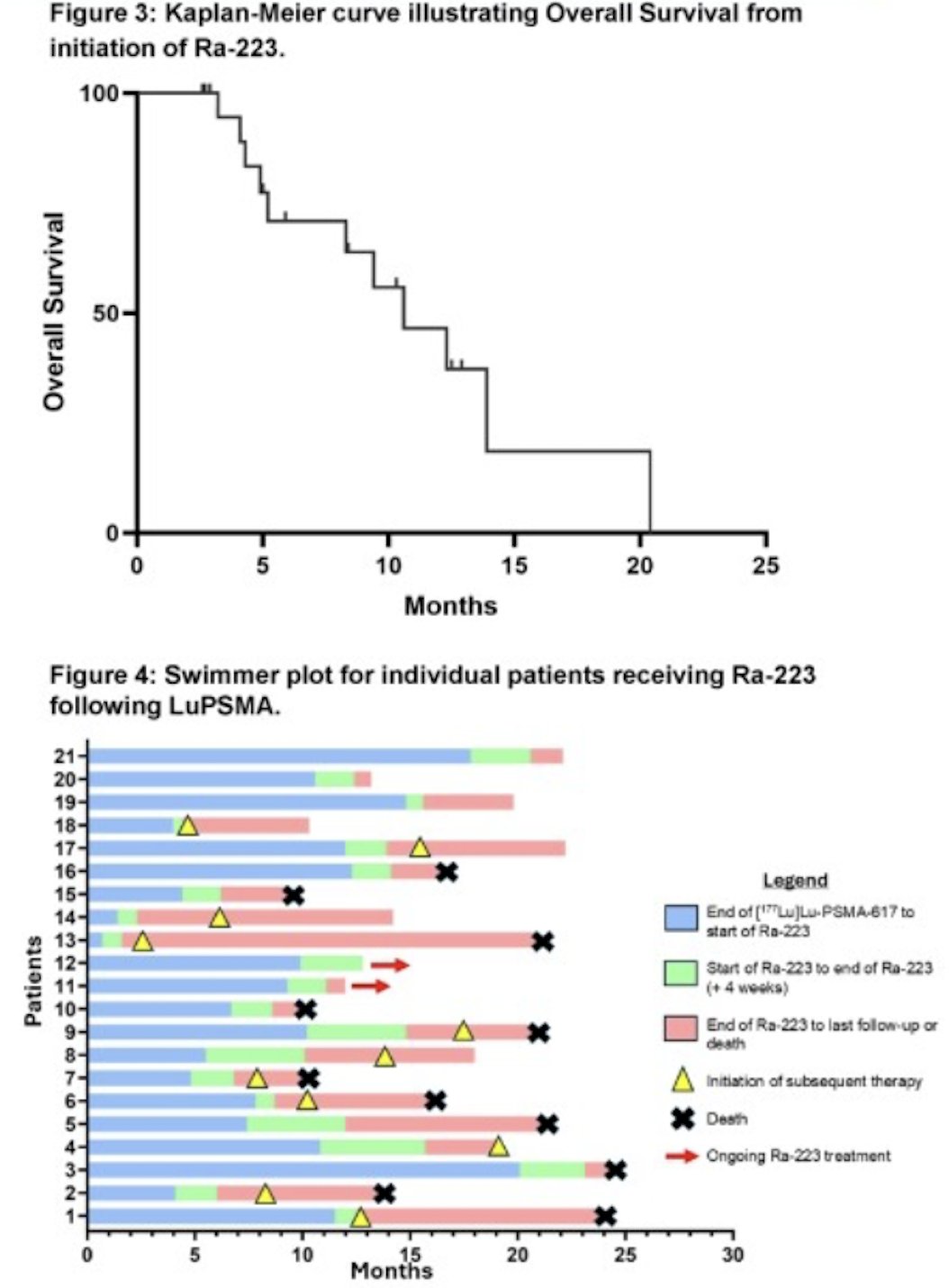
Lastly, Dr. Zarka presented survival outcomes for the combined cohort. The Kaplan Meier graphic for overall survival from Ra-223 initiation is shown below. Notably, the swimmer plot demonstrated that several patients remained on or derived prolonged benefit from treatment, with some continuing therapy beyond 15 months. These findings suggest that sequential administration of ¹⁷⁷Lu-PSMA-617 followed by Ra-223 is feasible and may provide clinically meaningful disease control in select patients with bone-predominant mCRPC.
Dr. Zarka concluded that sequential administration of Ra-223 following ¹⁷⁷Lu-PSMA-617 appears feasible and demonstrates potential efficacy even in heavily pretreated mCRPC patients. However, he emphasized that hematologic toxicities and fractures were not uncommon, reinforcing the importance of careful patient selection, multidisciplinary coordination, and close monitoring throughout treatment.
Presented by: Jabra Zarka, MD, Hematology-Oncology Fellowship Program at Mayo Clinic, Rochester, MN, United States of America
Written by: Julian Chavarriaga, MD – Urologic Oncologist at Cancer Treatment and Research Center (CTIC) via Society of Urologic Oncology (SUO) Fellow at The University of Toronto. @chavarriagaj on Twitter during the 2025 European Society for Medical Oncology (ESMO) Annual Congress, Berlin, Germany, October 17–21, 2025