

(UroToday.com) The 2025 ESMO annual meeting featured a kidney cancer session and a presentation by Dr. Viktor Gruenwald discussing results from PREPARE, a phase III trial of coaching renal cell cancer patients on side effects of systemic cancer treatment. Medical treatment in metastatic RCC patients is associated with high fraction of adverse events, and approximately 20-30% discontinue therapies due to adverse events. As such, the investigators tested whether pre-emptive therapy management improved quality of life.
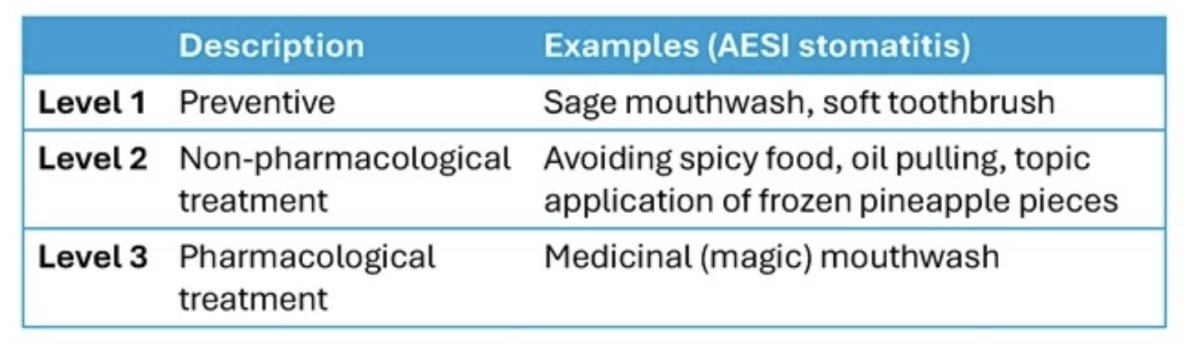
The investigators designed a program of proactive onco-coaching as study intervention, aimed at understanding patients’ health awareness, comprehension, and expectation of therapeutic intervention and social environment, educating patients on possible treatment-related adverse events, detecting adverse events early after onset, and discussing preventive measures as well as early mitigation options. Proactive onco-coaching consisted of up to 16 patient-coach interactions, of which up to 9 were planned in-person, and the remainder were by phone. Initial coaching at baseline was scheduled as 1 hour; subsequent interactions were planned as 5–15 minutes. The intervention was designed to span the first 24 weeks of treatment. Members of nursing staff at study sites were trained as onco-coaches and supplied with a coaching handbook. Coaching was focused on stomatitis, diarrhea, fatigue, hand-foot-syndrome and hypertension as adverse events of special interest. Interventions to present or mitigate these adverse events of special interest were predefined, and coaches were asked to discuss these as needed and according to a patient’s receptiveness. A 3-tiered system of possible interventions was created:
Patients were randomized 1:1 to receive proactive onco-coaching for 24 weeks by a trained assistant or reactive adverse event management according to standard of care:
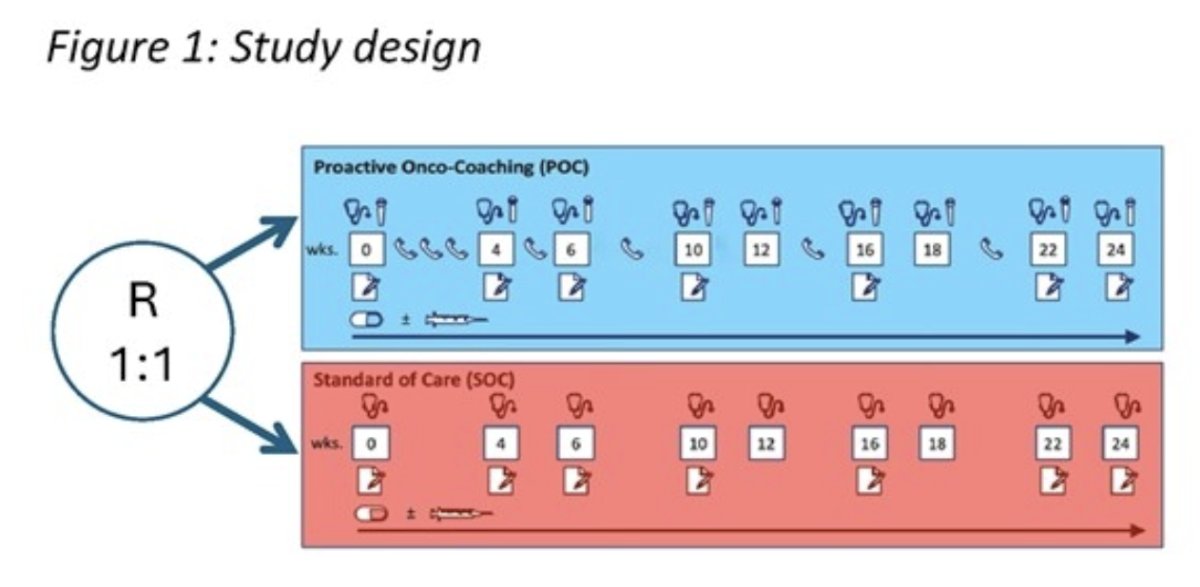
The primary endpoint was the fraction of patients with quality of life improvement of the FKSI-15 score. Secondary endpoints included FACT-G, EQ-5D, as well as efficacy and safety.
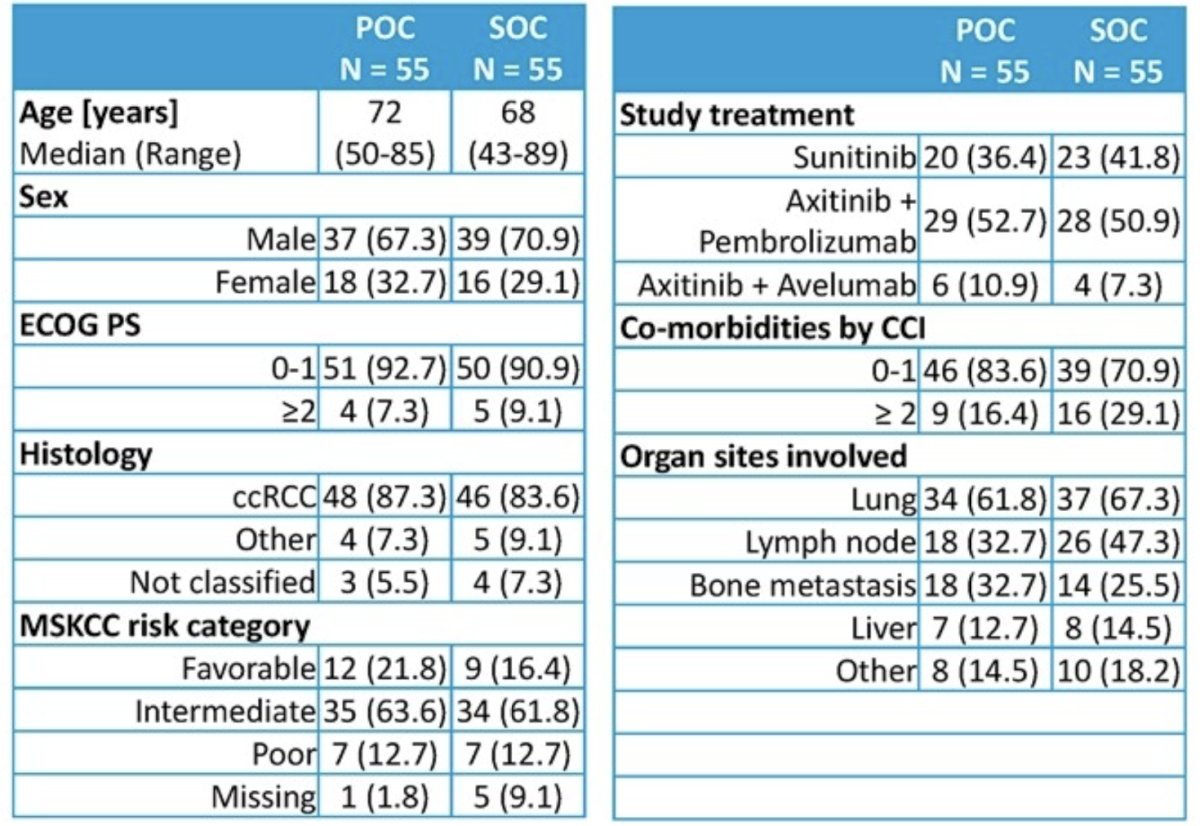
There were 113 patients included in this trial, with 110 treated and analyzed for outcomes (55 in each arm). The median age was 70 years, 76% were male, all were white, 91% had ECOG performance status 0-1, and 77.2% had CCI 0-1:
The FKSI-15-completion rate was 85%, and 89 patients (81%) had ≥2 patient reported outcome assessments and were evaluable for the primary endpoint. There was no difference in the rate of patients with quality of life improvement of 3 points or more in the FKSI-15 score between proactive onco-coaching and standard of care (39.1% versus 39.5%; p = 0.87). On average, proactive onco-coaching patients received pretreatment coaching for an average of 48 minutes (range: 15-90 minutes). Follow-up interactions (in person or by phone) were on average 17 minutes (range 0-90 minutes), and the median duration of coaching was 235 minutes (range 35-865 minutes) per patient. Intensity of coaching, measured by total time invested, decreased after week 12. However, only 10.9% of proactive onco-coaching patients prematurely discontinued coaching:
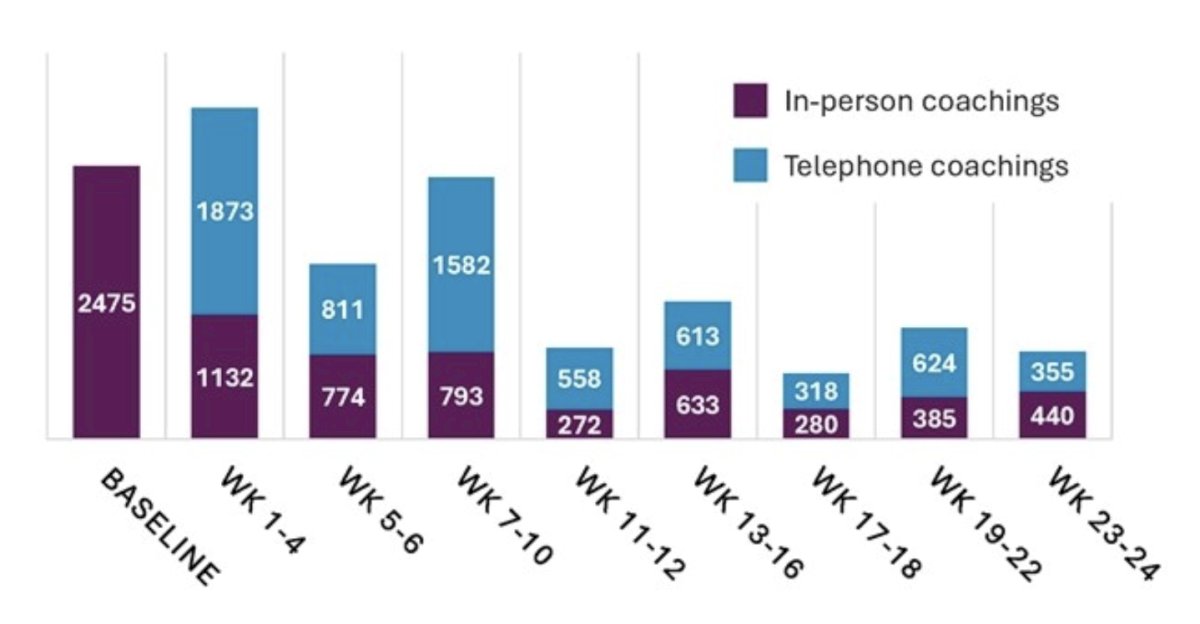
Overall, 80% of proactive onco-coaching patients still on systemic treatment received coaching at week 24:
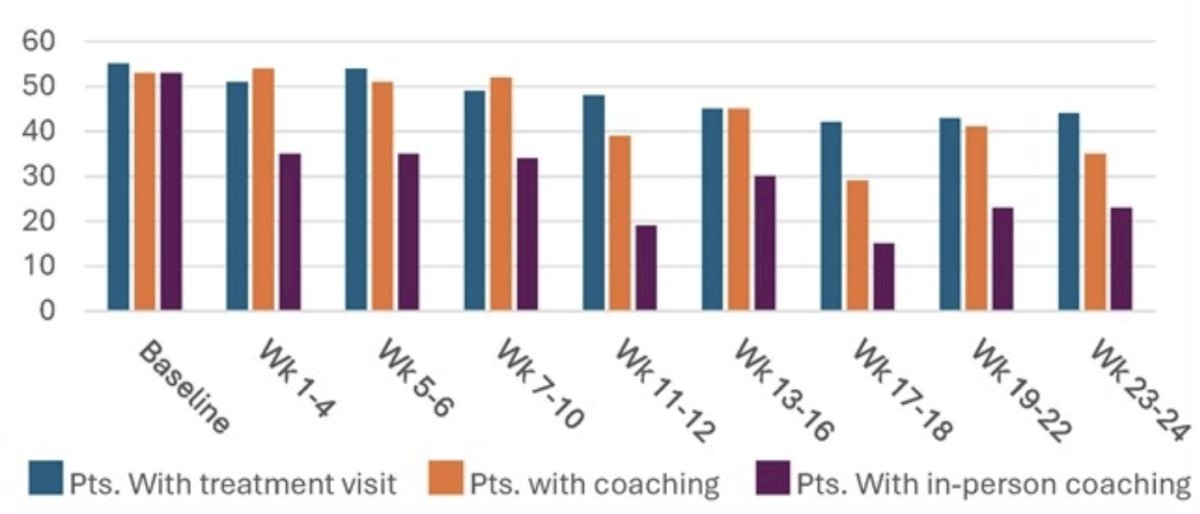
The most frequent coaching intervention was for fatigue (90.9% of patients), and the least for hand-foot-syndrome (76.4%). Hypertension had the most frequent coaching escalation to level 3 (pharmacologic intervention).
Progression free survival was similar between arms (11.1 months versus 8.7 months, p = 0.064), and overall survival favored proactive onco-coaching patients (34.4 months versus 20.3 months, p = 0.024). Treatment related adverse events of any or ≥3 grade affected 96.4% and 52.7% with proactive onco-coaching and 85.5% and 36.4% with standard of care, respectively:
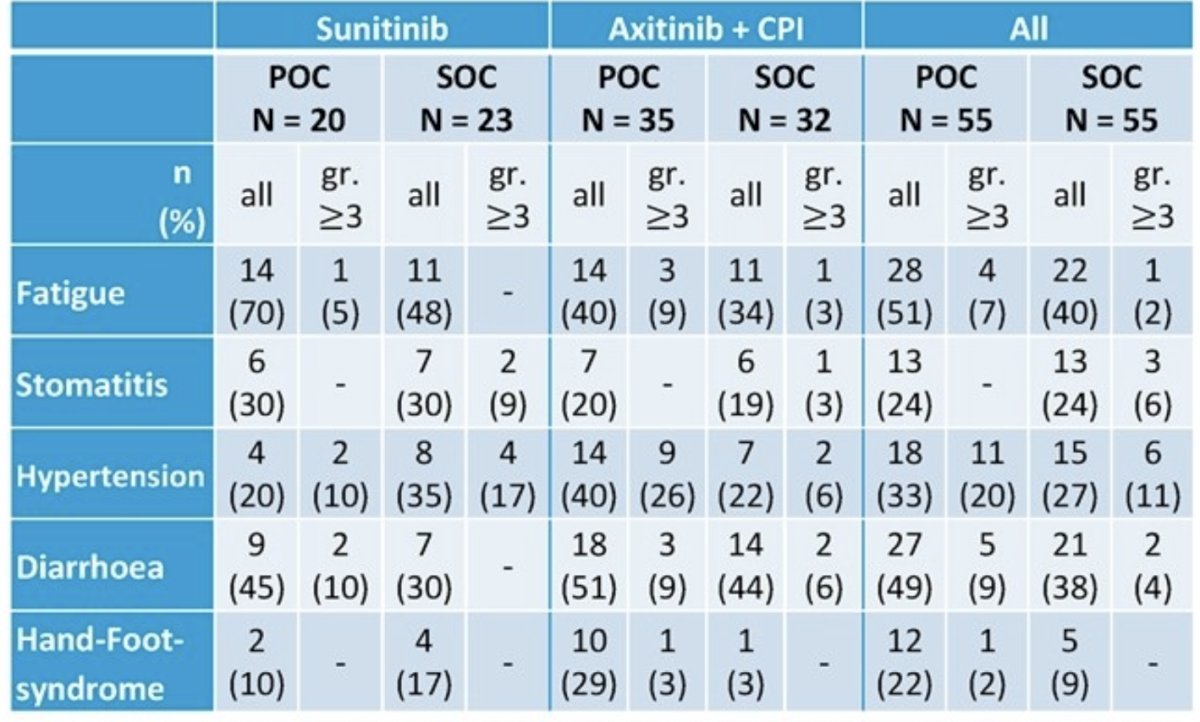
Treatment discontinuation rate between proactive onco-coaching versus standard of care was 7.3 versus 9.1% for TKI and 18.2 versus 5.5% for checkpoint inhibitor, respectively.
Dr. Gruenwald concluded his presentation discussing results from PREPARE, a phase III trial of coaching renal cell cancer patients on side effects of systemic cancer treatment with the following take home points:
- Proactive coaching was feasible
- The majority of contacts occurred within 12 weeks after treatment start
- Proactive onco-coaching did not improve the rate of quality of life responders
- Frequent adverse event coaching interactions may lead to a higher clinical reporting of adverse events
Presented by: Viktor Gruenwald, MD, PhD, University Hospital Essen, Essen, Germany
Written by: Zachary Klaassen, MD, MSc – Urologic Oncologist, Associate Professor of Urology, Georgia Cancer Center, Wellstar MCG Health, @zklaassen_md on Twitter during the 2025 European Society for Medical Oncology (ESMO) Annual Congress, Berlin, Germany, October 17–21, 2025