

(UroToday.com) The 2025 EAU annual meeting featured a plenary session on optimizing the patient journey and a presentation by Dr. Karl-Friedrich Kowalewski discussing the impact of diet, sleep, and psychological preparation on prehabilitation. Dr. Kowalewski started his presentation emphasizing that there is a body of evidence to support optimization of nutrition during prehabilitation, which has been shown to be beneficial in reducing complications. For example, in a 2013 meta-analysis of randomized controlled trials on preoperative oral carbohydrate treatment in elective surgery, a 50 g oral carbohydrate intervention on the morning of surgery was shown to potentially reduce length of post-operative stay. Dr. Kowalewski notes that there are several key aspects for a nutrition intervention as part of prehabilitation:
- Identifying patients at risk:
- Weight loss > 10-15% within 6 months
- BMI <18.5 kg/m2
- Subjective Global Assessment (SGA) grade C, or NRS-2002 >5
- Serum albumin < 30 g/L (assessment of liver and kidney function)
- Timeframe: at least 10-13 days, but 16 days or longer seems beneficial
- Type of intervention:
- Oral nutritional supplements (ie. milk shakes, juices, puddings, soups, powder)
- Immunonutrition (ie. arginine, omega-3 fatty acids, ribonucleotides)
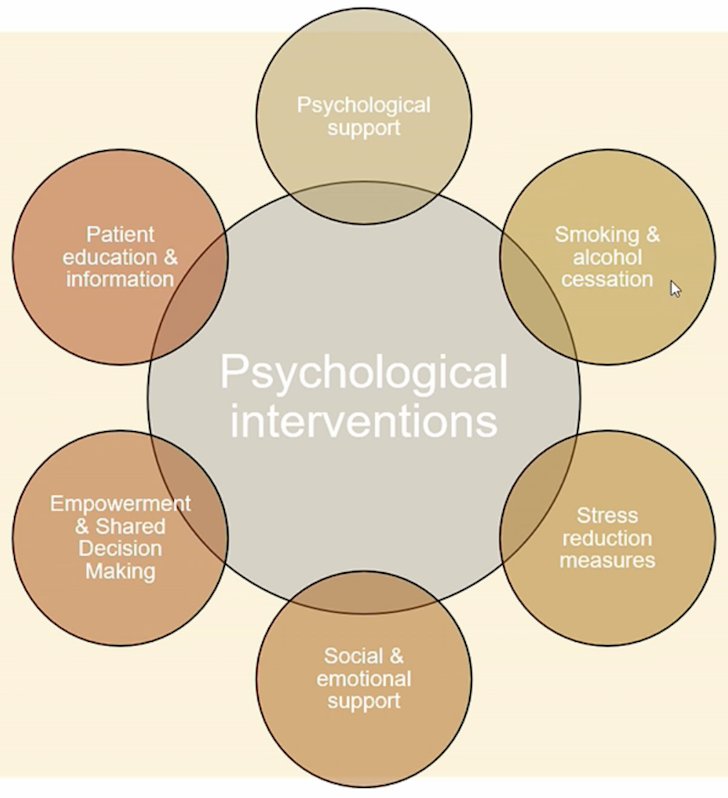
Regarding psychological interventions, these include: (i) psychological support, (ii) smoking and alcohol cessation, (iii) stress reduction measures, (iv) social and emotional support, (v) empowerment and shared decision making, and (vi) patient education and information:
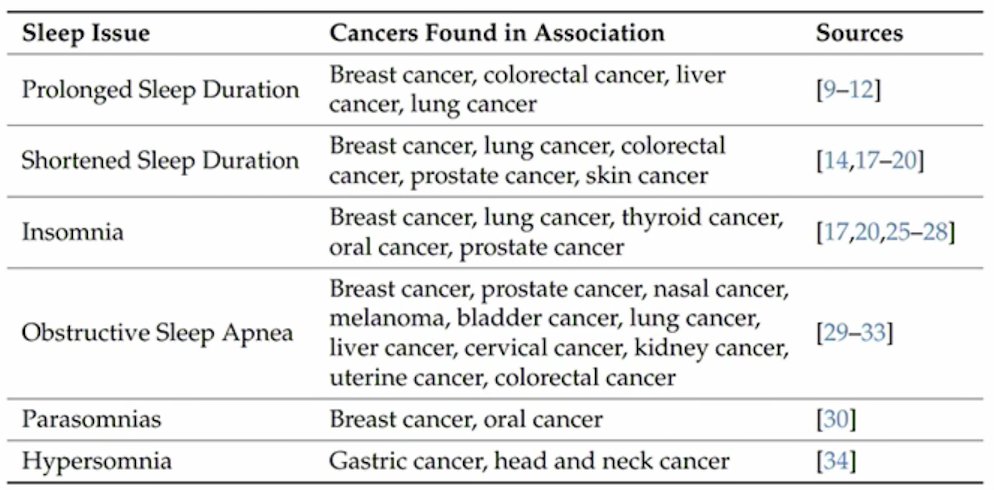
Sleep is also crucial for not just prehabilitation, but for general health. Indeed, sleep deprivation has been associated with (i) inflammation, (ii) cellular metabolism, (iii) cellular division, regulation, and stabilization of DNA and RNA, (iv) weight regulation, (v) hypoxemia, (vi) neurotransmitter regulation, (vii) hormone growth factor regulation, and (viii) immune regulation. The following table highlights several cancer types associated with sleep issues:1
A 2023 meta-analysis evaluated the effect of preoperative interventions on sleep health in the perioperative period, including 28 randomized clinical trials and 19 non-randomized trials of 4,937 patients. Among 47 trials, 23 had improvement in sleep outcomes, with the interventions including pharmacological, non-pharmacological, and nursing interventions.
Dr. Kowalewski notes that not every intervention is suitable for every patient. For example, a healthy patient undergoing a radical prostatectomy may only need pelvic floor training, whereas a comorbid patient undergoing a radical cystectomy may require self-efficacy training, information support, physical exercise, cognitive training, breathing exercises, smoking cessation, carbohydrate loading, treatment of anemia, and a frailty assessment.
Additionally, it is important that we have meaningful outcomes. This includes several metrics:
- Perioperative outcomes:
- Complications
- Mortality
- Readmission rates
- Length of stay
- ICU duration
- Functional/physical performance:
- Functional assessments (ie. 6MWT, HGS)
- Sarcopenia assessment
- Body composition analysis
- Patient reported outcome measures:
- Quality of life (ie. QLQ-30)
- Fatigue and well-being (ie. HADS)
- Pain and symptom burden (ie. NRS)
- Oncological outcomes:
- Time to adjuvant therapy
- Overall survival
- Recurrence free survival
- Disease free survival
- Economic/health system outcomes:
- Cost-effectiveness
- Work productivity loss
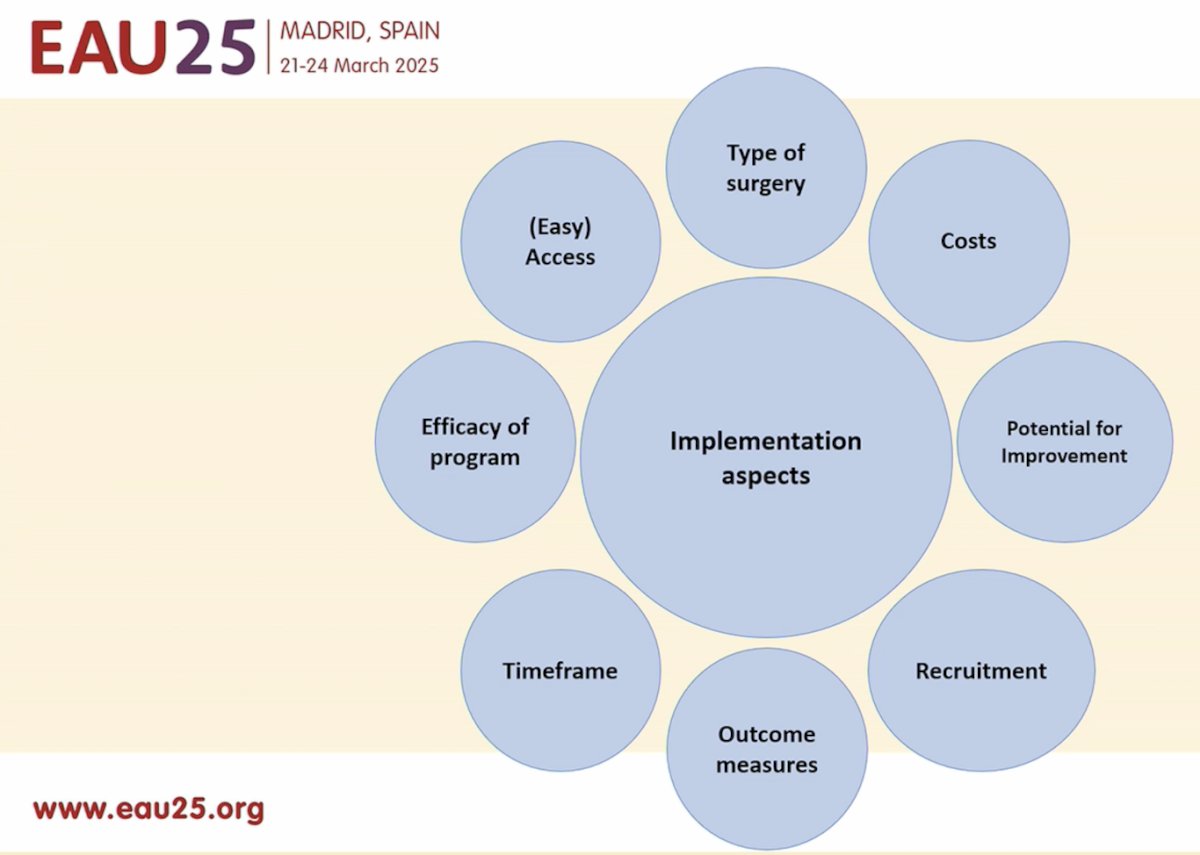
Implementation of these initiatives is crucial to the success of the programs, and also to generating high quality data, which includes the following:
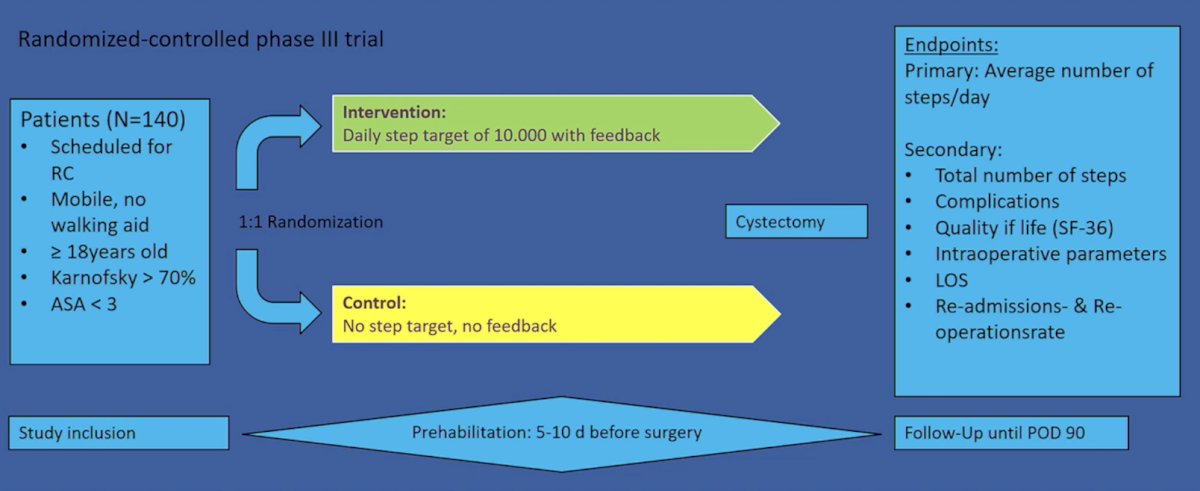
Finally, Dr. Kowalewski highlighted the PreAct clinical trial at his institution. This is bicentric, open-label, randomized controlled trial to assess the preoperative physical activity improvement with the use of activity trackers in patients undergoing radical cystectomy.2 This phase III trial will include 140 patients, randomized 5-10 days before surgery to the intervention (daily step target of 10,000 with feedback) versus the control (no step target, no feedback), with a primary outcome of average number of steps per day:
Dr. Kowalewski concluded his presentation by discussing the impact of diet, sleep, and psychological preparation on prehabilitation with the following take home points:
- Diet, sleep, and psychological factors are key domains of prehabilitation
- Implementation remains challenging due to multiple factors, such as accessibility and cost
- Future trials should include appropriate endpoints to demonstrate the efficacy of such programs
Written by: Zachary Klaassen, MD, MSc – Urologic Oncologist, Associate Professor of Urology, Georgia Cancer Center, Wellstar MCG Health, @zklaassen_md on Twitter during the 2025 European Association of Urology (EAU) Annual Meeting held in Madrid, Spain between March 21st and 24th 2025
References:
- Vaughn CM, Vaughn BV. Sleep and cancer. Cancers. 2025;17(6):911.
- Kilz JH, Abate MAS, Wieland WLS, et al. Preoperative physical improvement with the use of activity trackers in patients undergoing radical cystectomy – A bicentric, open-label, randomized controlled trial: A clinical study protocol of the PreAct trial. Eur Urol Open Sci. 2024 Dec 10/71:78-86.