

(UroToday.com) The 2025 European Association of Urology (EAU) Annual Meeting held in Madrid, Spain between March 21st and 24th 2025, was host to the Biomarkers to guide peri-operative management in Uro-oncology Plenary Session. Dr. David Olmos delivered his presentation discussing Prostate cancer: BRCA and other homologous recombination (HR) genes.
Pathogenic alterations in BRCA2 and other homologous recombination repair (HRR) genes have been identified as actionable alterations in over 20% of advanced prostate cancers. Tumors with HRR gene mutations gain a survival advantage by repairing DNA damage, but this also presents a therapeutic opportunity, as these DNA repair pathways can be targeted. These alterations can manifest as base substitutions, insertions, and deletions, copy number alterations, or rearrangements, with the latter two being particularly common. A thorough understanding of the assays used to detect these alterations is essential for optimizing treatment strategies.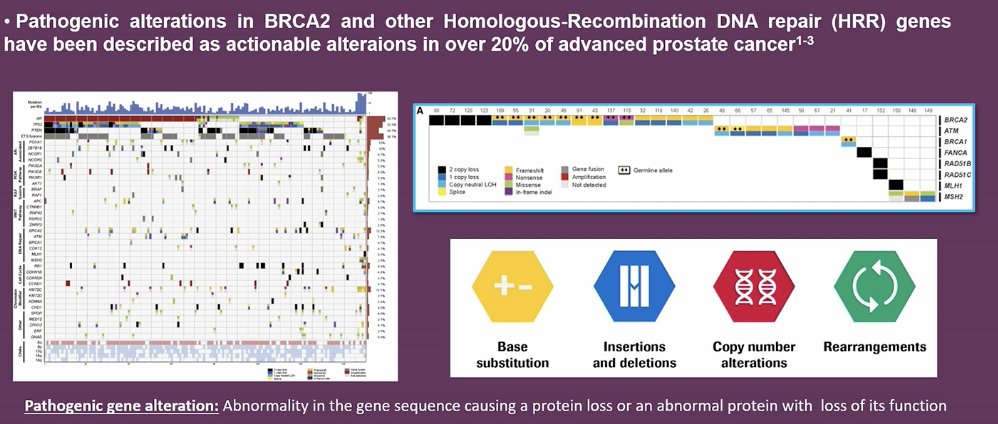
Most studies on HRR gene alterations have been conducted in advanced prostate cancer, with limited data available for earlier disease stages. Non-BRCA HRR genes represent a heterogeneous group that may influence outcomes in metastatic castration-resistant prostate cancer (mCRPC), but the clinical significance of individual genes remains unclear. Dr. Olmos and his team recently reported the adverse prognostic value of BRCA1/2 alterations, showing that BRCA-mutated mCRPC patients had significantly worse outcomes compared to both non-HRR and non-BRCA HRR-mutated patients, highlighting the distinct impact of BRCA mutations on disease progression and treatment response.1 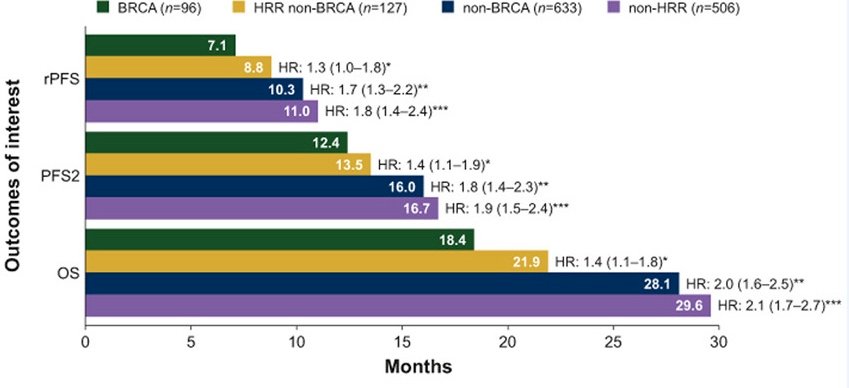
In the nonmetastatic prostate cancer setting, deleterious germline BRCA2 and BRCA1 mutations have been associated with worse metastasis-free survival and overall survival in patients treated with radical therapy, including prostatectomy or radiotherapy. An important clinical question is whether patients who meet criteria for active surveillance based on PSA, histology, and staging may require early intervention if they carry a germline BRCA2 mutation. The role of other genes beyond BRCA2, as well as the impact of somatic alterations in early-stage disease, remains unclear due to a lack of robust data. Most available evidence comes from small, heterogeneous series.
Data from biorepositories indicate that the prevalence of HRR alterations is lower in early-stage prostate cancer compared to advanced disease. For BRCA1/2, the prevalence in early-stage disease ranges between 2-6%, while in mCRPC, it increases to 11-13%. Additionally, approximately 30% of these alterations are found in the germline setting, and up to 69% of mCRPC patients don’t have HRR mutations, reinforcing the need for comprehensive genomic profiling to guide clinical decision-making.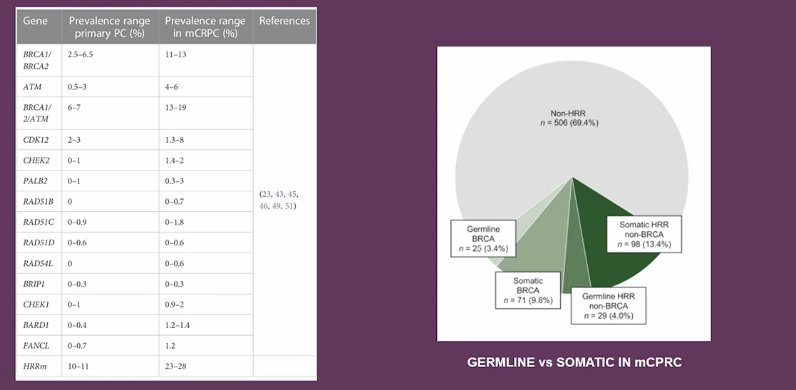
Dr. Olmos reported that the frequency of HRR germline mutations varies according to ethnic background, highlighting potential disparities in genetic predisposition and disease outcomes.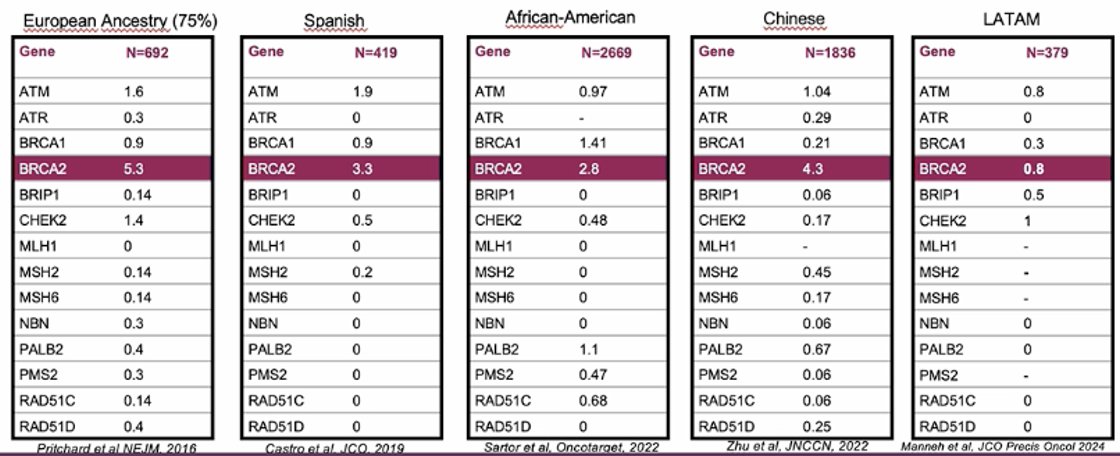
Notably, countries with a high Ashkenazi Jewish population exhibit a higher prevalence of germline BRCA1/2 mutations. This observation underscores the importance of considering genetic ancestry in risk assessment and screening strategies. The countries highlighted in blue on the map below represent regions with a significant Ashkenazi Jewish descendant population, where BRCA1/2 mutations are more commonly observed.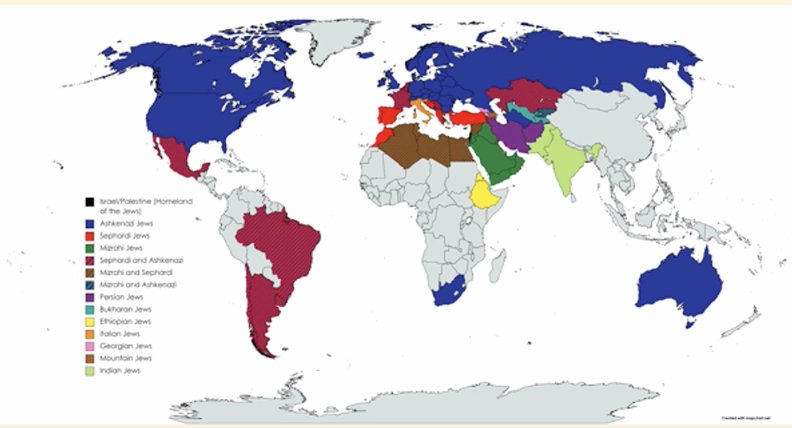
However, the rate of BRCA1/2 mutations in early-stage prostate cancer remains low, with approximately 1% for germline BRCA1 (gBRCA1) and 3% for germline BRCA2 (gBRCA2)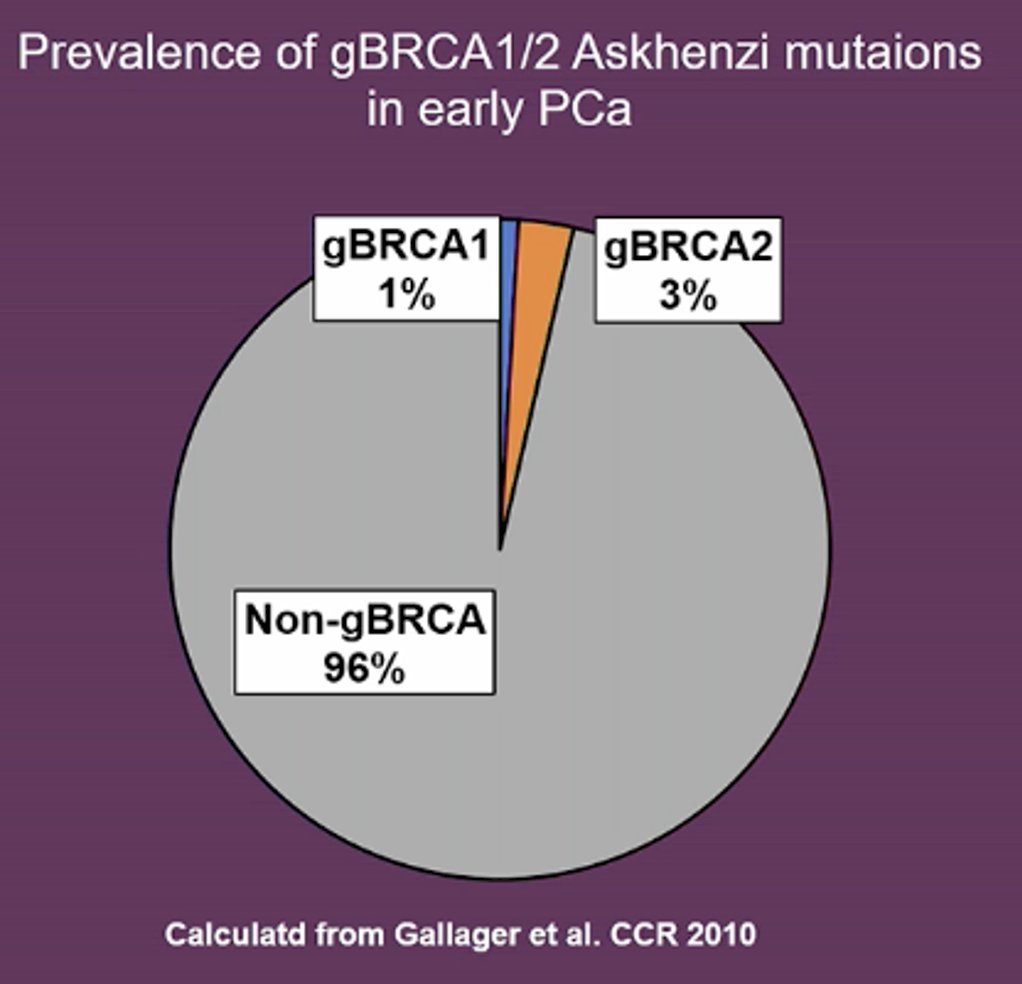
When examining other somatic alterations, CDK12 mutations, for example, are more commonly found in individuals of Asian ancestry as shown below.
Furthermore, Dr. Olmos discussed that somatic 13q loss, which involves BRCA2 loss, is highly prognostic in early prostate cancer, regardless of the presence of germline BRCA mutations. It has been shown to be associated with worse survival outcomes.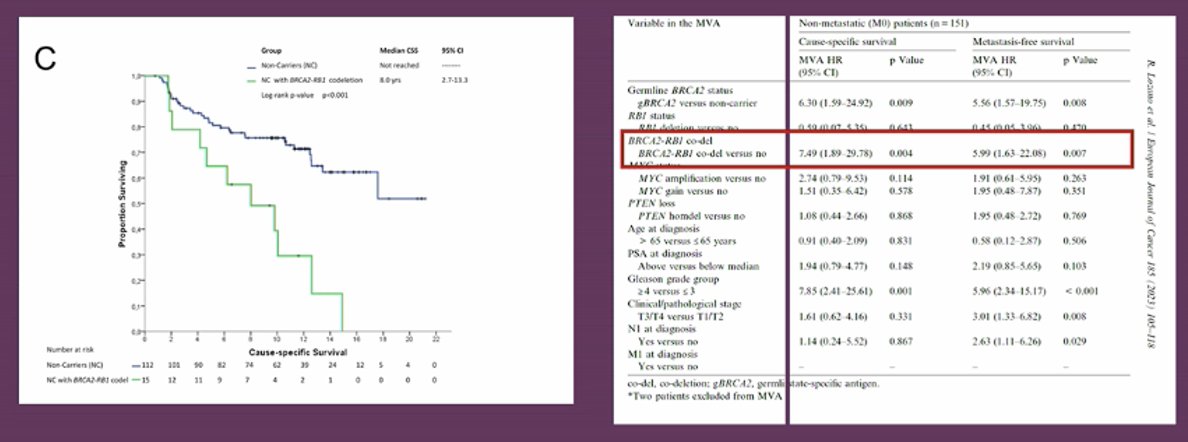
Dr. Olmos briefly touched on the PROCURE study, which investigated the impact of individual HRR gene alterations beyond BRCA2 on the outcomes of patients with mCRPC treated with first-line novel hormonal therapy or taxanes, using data from the CAPTURE study cohort 1.
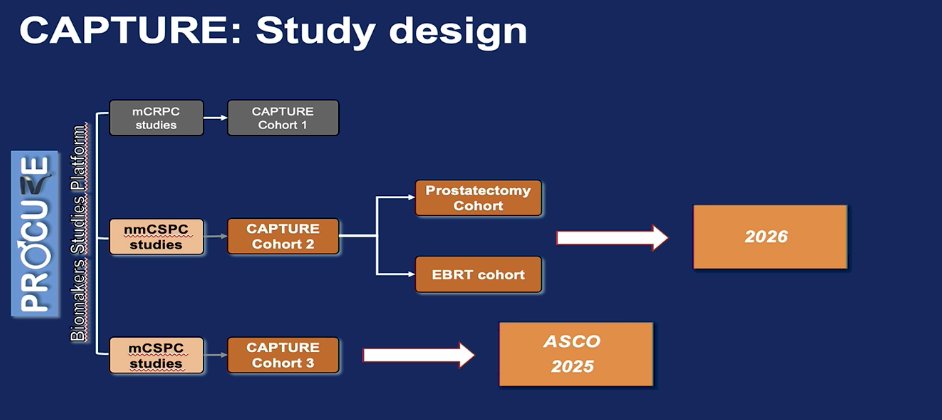
The CAPTURE study consists of three cohorts, each focusing on different stages of prostate cancer. Cohort 1 included patients from the PROREPAIR B, PROSTAC (docetaxel and cabazitaxel), PROSABI (abiraterone acetate and prednisone), and PROSENZA studies, enrolling patients prospectively at the first-line mCRPC setting. Cohort 2 included patients with non-metastatic castration-sensitive prostate cancer (nmCSPC) who underwent radical prostatectomy or External Beam Radiation Therapy (EBRT), with results expected in 2026. Lastly, Cohort 3 focused on metastatic hormone-sensitive prostate cancer (mHSPC) studies and is set to be presented at the ASCO meeting this year. The CAPTURE study design is shown below.
Dr. Olmos concluded his presentation with the following key messages:
- HRR gene alterations can be found in early prostate cancer, though their true prevalence remains uncertain. Depending on the genes included, it could be as high as 12%.
- Certain populations may have a higher frequency of these mutations, particularly older patients or those with a strong family history of cancer.
- Germline BRCA2 alterations have been consistently associated with worse outcomes, regardless of the treatment modality.
- Germline BRCA2 mutations and somatic BRCA2 loss (13q loss) are linked to shorter metastasis-free survival and overall survival after radical prostatectomy, based on small studies.
- Further research is needed to clarify the clinical impact of HRR gene alterations on the surgical management of early prostate cancer.
Presented by: David Olmos, MD, PhD, Medical Oncologist and Principal Investigator, Programa Investigacion Traslacional en Cáncer de Próstata y Tumores Genitourinarios · Fundación de Investigación Hosp. 12 de Octubre, Hospital Universitario 12 de Octubre, Madrid, Spain
Written by: Julian Chavarriaga, MD – Urologic Oncologist at Cancer Treatment and Research Center (CTIC) via Society of Urologic Oncology (SUO) Fellow at The University of Toronto. @chavarriagaj on Twitter during the 2025 European Association of Urology (EAU) Annual Meeting held in Madrid, Spain between March 21st and 24th 2025
References: