

(UroToday.com) The 2026 American Urologic Association (AUA) Annual Meeting was host to an upper tract urothelial carcinoma (UTUC) poster session. Dr. Vitaly Margulis presented results from ENLIGHTED, a phase III trial of padeliporfin vascular-targeted therapy for the treatment of low-grade UTUC.
Padeliporfin VTP is a combination product consisting of intravenously administered padeliporfin, a photosensitizer, together with a laser light-delivery device that emits near-infrared 753 nm light via an optic fiber to target lesions within the upper tract urothelium. The therapy exerts a non-thermal ablative effect.
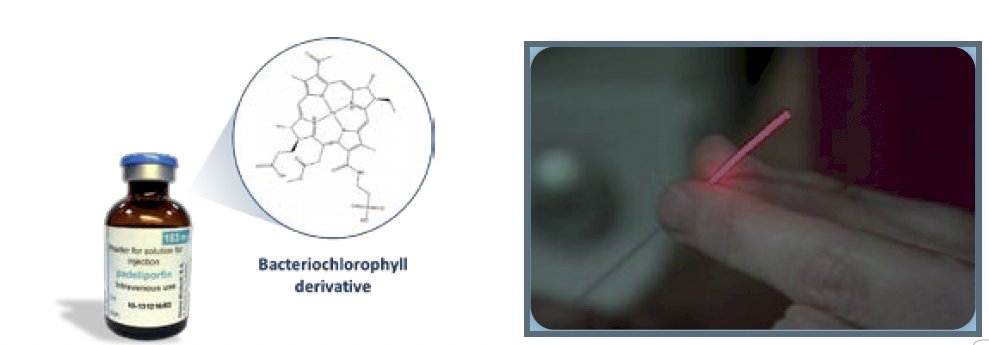
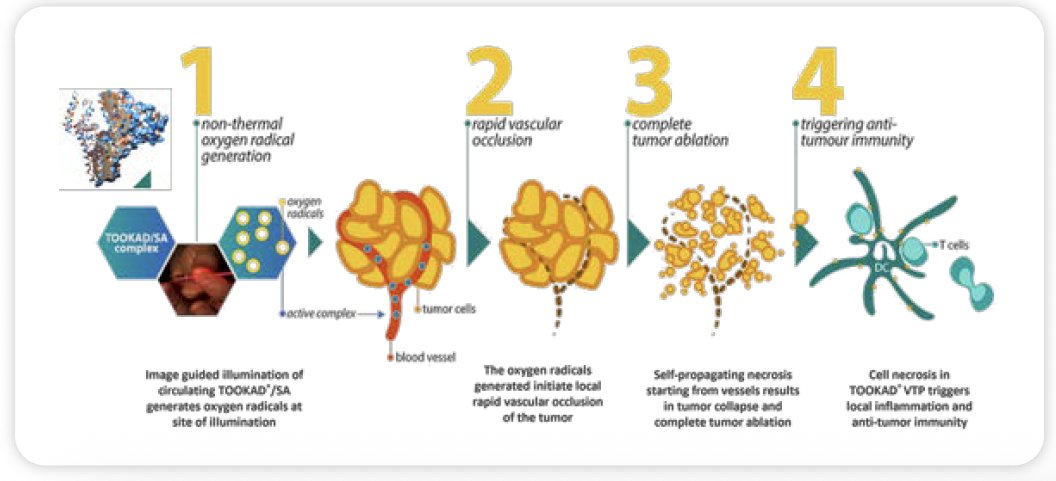
Upon light activation, padeliporfin induces oxygen- and nitric oxide-mediated vascular shutdown, resulting in coagulative tumor necrosis while preserving the collagen scaffold and vessels >40 µm in diameter, thereby facilitating normal tissue regeneration.
The ENLIGHTED study (NCT04620239) is an open-label phase 3 trial evaluating padeliporfin VTP in patients with LG UTUC across 22 sites in the United States, Europe, and Israel, with a planned enrollment of 100 patients. The primary objective is to demonstrate the efficacy and durability of padeliporfin VTP, while the secondary objective is to evaluate treatment-related safety and tolerability.
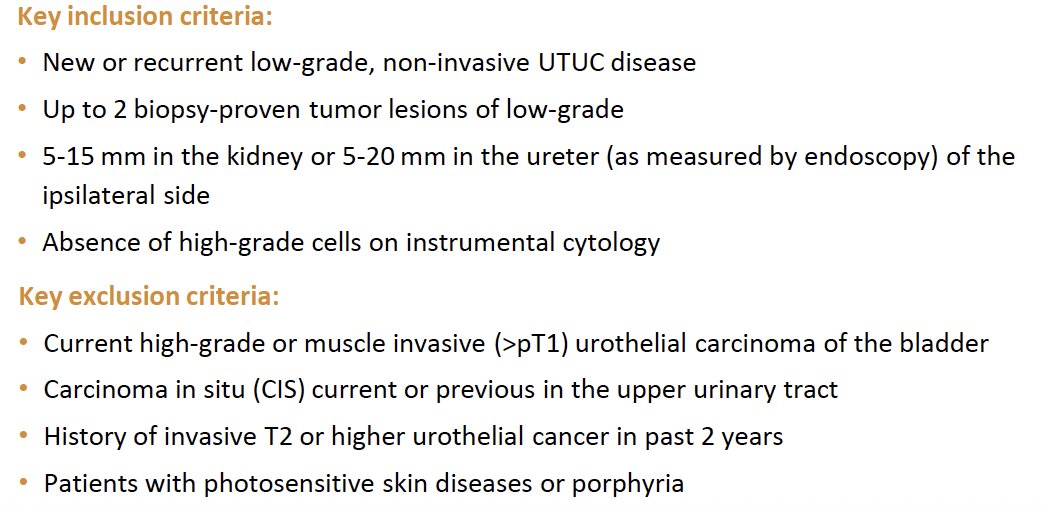
Eligible patients include those with new or recurrent low-grade, non-invasive UTUC with up to two biopsy-proven low-grade tumor lesions measuring 5–15 mm within the kidney or 5–20 mm within the ureter on the ipsilateral side, as assessed endoscopically. Additionally, patients were required to have absence of high-grade cells on instrumental cytology. Key exclusion criteria included:
- Current high-grade or muscle-invasive (>pT1) bladder urothelial carcinoma
- Current or prior carcinoma in situ of the upper urinary tract
- History of invasive T2 or greater urothelial carcinoma within the previous two years
- Photosensitive skin disorders or porphyria.
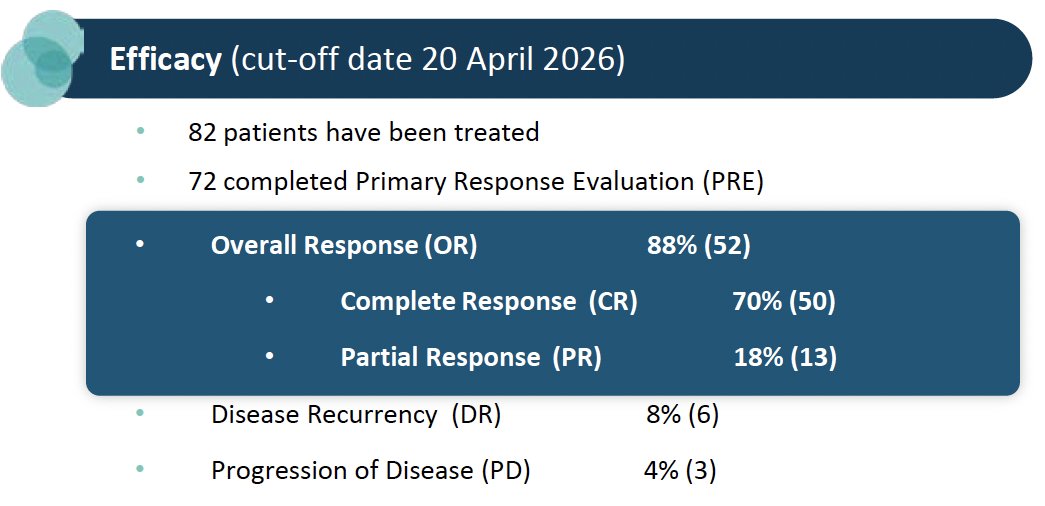
At the efficacy cut-off date of April 20, 2026, 82 patients had undergone treatment and 72 had completed primary response evaluation. The reported overall response (OR) rate was 88% (n=52), including a complete response (CR) rate of 70% (n=50) and a partial response (PR) rate of 18% (n=13). Disease recurrence (DR) occurred in 8% (n=6) of patients, while progression of disease (PD) was observed in 4% (n=3).
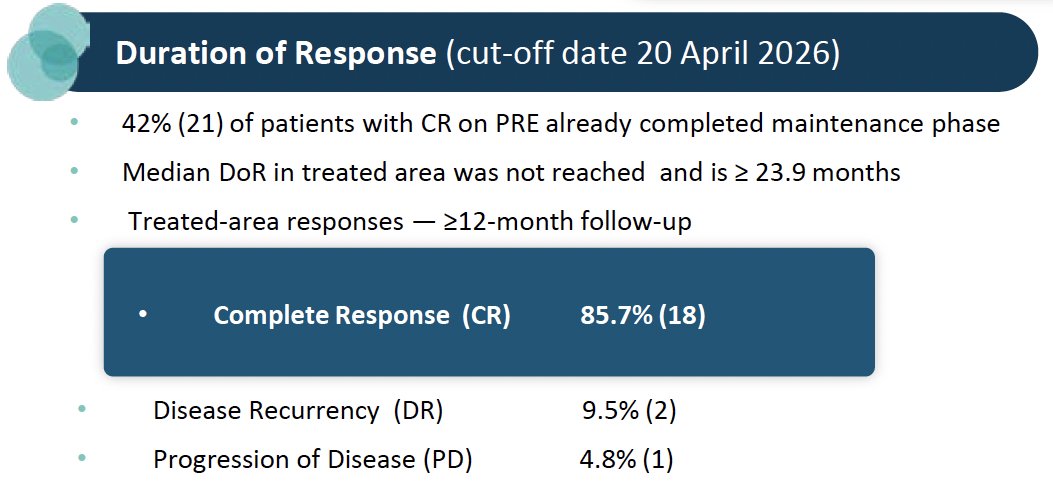
Durability outcomes were also encouraging. Among patients achieving CR at primary response evaluation, 42% (21 patients) had already completed the maintenance phase of therapy at the time of reporting. The median duration of response (DoR) in the treated area had not yet been reached and was reported to be at least 23.9 months. Among patients with ≥12 months of follow-up for treated-area responses, the CR rate was 85.7% (18 patients), while disease recurrence and progression rates were 9.5% (2 patients) and 4.8% (1 patient), respectively.
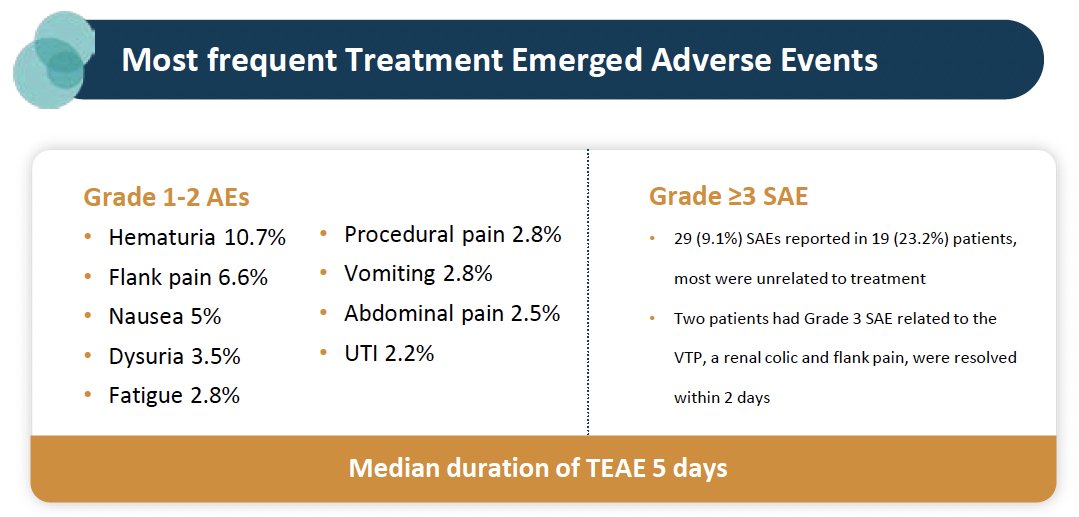
Safety analyses demonstrated a generally acceptable tolerability profile. The median duration of treatment-emergent adverse events (TEAEs) was five days. The most common grade 1–2 adverse events included hematuria (10.7%), flank pain (6.6%), nausea (5%), dysuria (3.5%), fatigue (2.8%), procedural pain (2.8%), vomiting (2.8%), abdominal pain (2.5%), and urinary tract infection (2.2%).
A total of 29 serious adverse events (SAEs) were reported among 19 patients (23.2%), although most were considered unrelated to treatment. Importantly, only two patients experienced grade 3 SAEs considered related to padeliporfin VTP, consisting of renal colic and flank pain, both of which resolved within two days.
The investigators concluded that padeliporfin VTP has demonstrated evidence of meaningful efficacy and durable responses in patients with LG UTUC, while maintaining an acceptable safety profile. Enrollment in the ENLIGHTED trial remains ongoing, and longer-term follow-up is anticipated to further define the durability of response and support potential regulatory approval.
Presented by: Vitaly Margulis, MD, Professor, Department of Urology, UT Southwestern Medical Center, Dallas, TX
Written by: Rashid K. Sayyid, MD, MSc, Assistant Professor, Urologic Oncologist, Department of Urology at The University of Arizona and Banner University Medical Center, Tucson, AZ – @rksayyid on X during the American Urological Association (AUA) 2026 Annual Meeting, Washington, DC, Fri, May 15 – Mon, May 18, 2026.