

(UroToday.com) Dr. Shirin Razdan from the Miami Robotic Surgery at the Comprehensive Urologic Surgery Institute presented a retrospective analysis evaluating the use of dehydrated human amniotic membrane (dHAM) as a neurovascular bundle wrap during bilateral, nerve-sparing robot-assisted radical prostatectomy (nsRALP) to facilitate earlier return of erectile function, continence recovery, and potency following surgery.
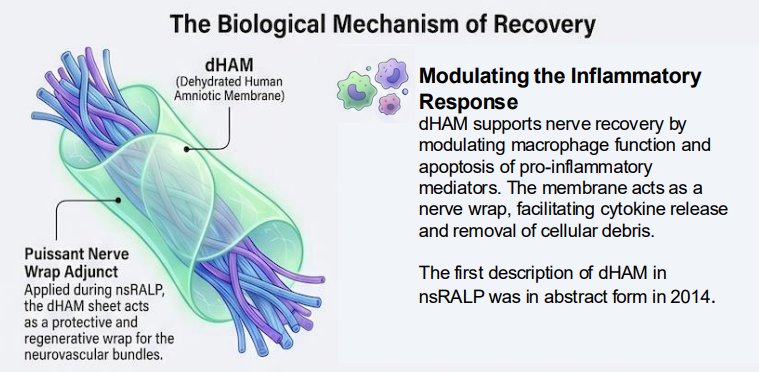
Figure 1: dHAM mechanism of recovery
Men undergoing bilateral nsRALP with dHAM performed by a single, high-volume surgeon between 2014 and 2024 were compared against a matched cohort undergoing standard nsRALP without dHAM. The primary outcomes of the study were return of potency, time to first erection, and continence. There were 2,560 men who underwent bilateral nsRALP with dHAM matched to 1,495 men undergoing nsRALP alone; the mean follow-up for both groups was 8 years.
Dr. Razdan reported that the dHAM cohort experienced significantly earlier erectile recovery and faster return of potency, importantly without any significant differences in the incidence of postoperative complications or oncological outcomes.
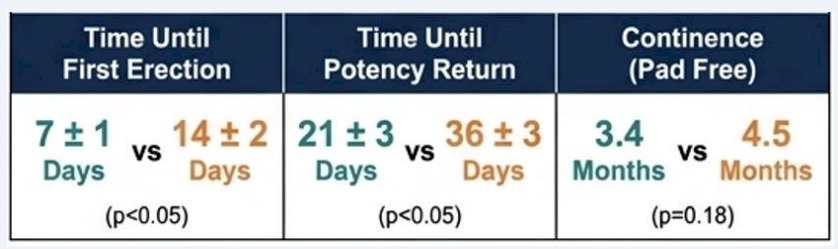
Table 1: Primary outcomes of time to first erection, potency return, and continence

Table 2: Complications and oncological outcomes
Dr. Razdan also highlighted their subgroup analysis of patients over the age of 60 showed that patients treated with dHAM saw significantly faster return of function and long term outcomes at all time points over a 24 month period.
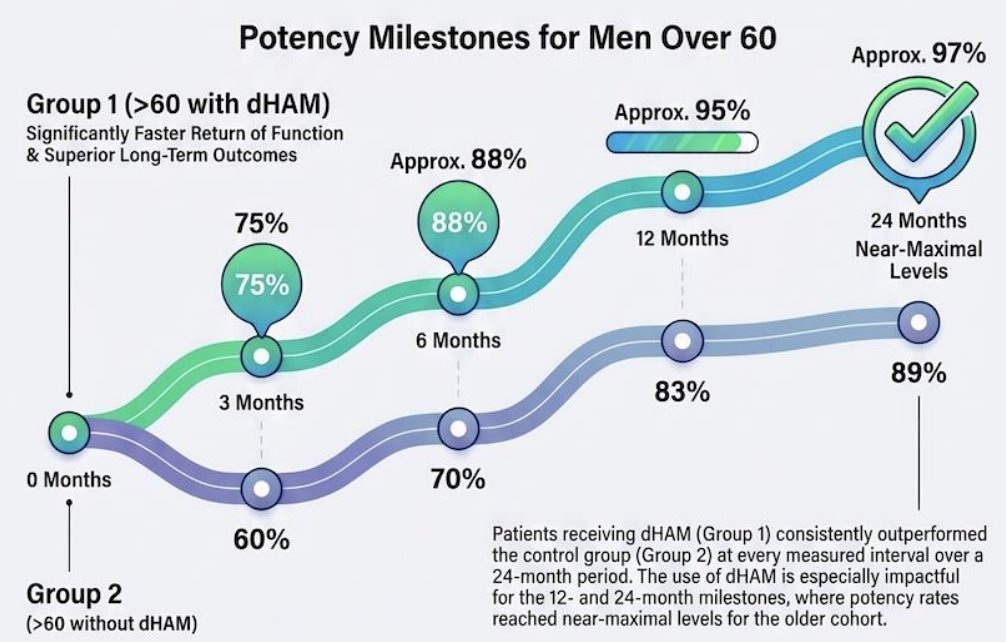
Figure 2: Subgroup analysis of patients >60 years of age
These results indicate that using dHAM as an adjunct to robotic radical prostatectomy can significantly hasten the reacquisition of erectile function and potency, especially for older patient populations.
When a member of the audience asked how patients were selected to receive dHAM or not, Dr. Razdan shared that the decision was ultimately up to the patients themselves. She noted that, within their particular patient population in Miami, many individuals value their ability to have and maintain erections, often more so than other postoperative outcomes. Hence, sharing their outcomes data on dHAM during preoperative discussions, many patients are eager to undergo the procedure.
At the end of the discussion, Dr. Razdan reiterated that the purpose of dHAM is not to regenerate nerves or completely restore erections, but to facilitate the healing and recovery process.
Presented by: Shirin Razdan, MD, Miami Robotic Surgery at the Comprehensive Urologic Surgery Institute, Miami, FL
Written by: Tom No, Junior Specialist, Department of Urology, University of California Irvine, during the 2026 American Urological Association (AUA) Annual Meeting, May 15– 18, 2026, Washington D.C.