

(UroToday.com) At the morning plenary session on the final day of the 2026 American Urological Association Annual Meeting, Nima Nassiri presented the groundbreaking world’s first human bladder transplantation, marking a potentially historic milestone in urology. The presentation highlighted the years of preparation, multidisciplinary collaboration, and surgical innovation required to achieve this accomplishment, representing an important early step toward a new chapter in transplantation and modern urologic surgery.
Dr. Nassiri explained that while kidney transplantation has become standard therapy for end-stage renal disease, patients with devastating bladder dysfunction continue to face major reconstructive challenges and long-term complications associated with urinary diversion and augmentation procedures. These limitations prompted interest in bladder transplantation as a potential reconstructive alternative for select patients. The project required extensive collaboration between reconstructive urology, transplant surgery, vascular surgery, organ procurement organizations, and urodynamic specialists. Beginning around 2021, the team conducted extensive preclinical work involving cadaveric modeling, surgical simulations, vascular reconstruction refinement, and organ preservation studies to better understand the technical feasibility of bladder transplantation.
The first transplant recipient, Oscar, was a 41-year-old man with severe bladder dysfunction and end-stage renal disease who wished to avoid dialysis. Preoperative imaging and urodynamic evaluation demonstrated severe lower urinary tract dysfunction with progressive upper tract deterioration. Following donor organ procurement, the surgical team performed combined kidney and bladder transplantation with vascular reconstruction and urinary tract anastomosis. Dr. Nassiri described the technical complexity of the procedure, which lasted approximately eight hours and involved standard kidney transplantation followed by bladder transplantation and urinary reconstruction. Immediate graft function was observed postoperatively with encouraging early renal and bladder outcomes.
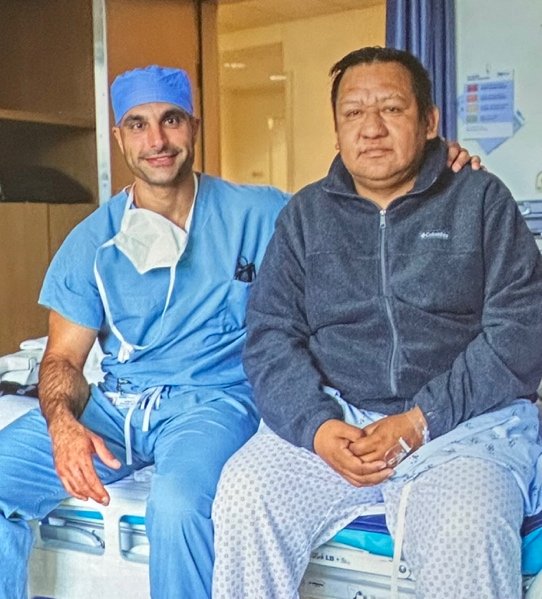
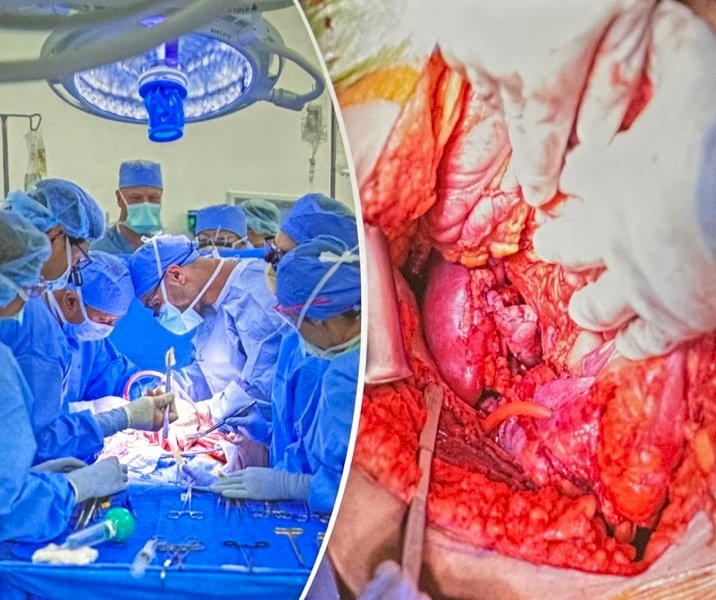
Postoperative follow-up demonstrated stable renal function and progressive improvement in bladder performance. Urodynamic studies revealed preservation of bladder capacity and efficient bladder emptying, with the patient successfully voiding while avoiding dialysis. Six-month bladder biopsy findings were reported as unremarkable without significant pathologic abnormalities. Dr. Nassiri emphasized that one of the most notable findings was the encouraging functional bladder recovery observed on serial urodynamic evaluations. He also showed a video demonstrating the patient achieving spontaneous voiding with zero post-void residual urine, suggesting that transplanted bladder tissue may achieve meaningful long-term urinary function in select patients.
He later presented the second and third transplant cases while highlighting important lessons learned during the team’s early clinical experience. In the second case, the patient developed vascular complications requiring reoperation and eventual bladder explantation. Dr. Nassiri explained that this experience reinforced the importance of graft perfusion and hemodynamic management following bladder transplantation. Unlike kidney transplantation, bladder grafts appear particularly sensitive to blood pressure changes and vascular compromise. Despite this setback, the complication provided valuable insight into postoperative management, anticoagulation strategies, and vascular surveillance.
The third transplant case demonstrated continued technical refinement with encouraging early postoperative outcomes, including immediate urinary function and preserved graft performance. These additional experiences further refined patient selection criteria and strengthened the team’s confidence in the feasibility of bladder transplantation.
As the field moves forward, Dr. Nassiri emphasized that bladder transplantation remains an experimental procedure requiring continued investigation and long-term follow-up. Future efforts will focus on optimizing patient selection, improving graft monitoring and rejection surveillance, refining immunosuppression protocols, and better understanding long-term bladder function following transplantation.
Overall, the presentation showcased what many would have once considered impossible: the successful translation of bladder transplantation into human clinical practice. While many challenges remain, the session demonstrated an important early step forward and highlighted how continued innovation and multidisciplinary collaboration may help shape future reconstructive options in urology.
Presented by: Nima Nassiri, MD, Department of Urology, University of California, Los Angeles
Written by: Kantapon Tangwiwat, MD, Research Fellow, Department of Urology, University of California, Irvine, during the American Urological Association (AUA) 2026 Annual Meeting, Washington, DC, Fri, May 15 – Mon, May 18, 2026.