

(UroToday.com) Sunday morning’s plenary session opened with the John Duckett Memorial Lecture, delivered by Dr. Anthony Herndon. Honoring a legend whose influence shaped an entire generation of urologists, Dr. Herndon spoke to one of the most monumental forces now reshaping the field of urology: artificial intelligence and its impact on scientific publication. He drew data from landmark surveys and offered a comprehensive and candid assessment of where the scientific publishing field stands, and what every stakeholder must do to protect its integrity.
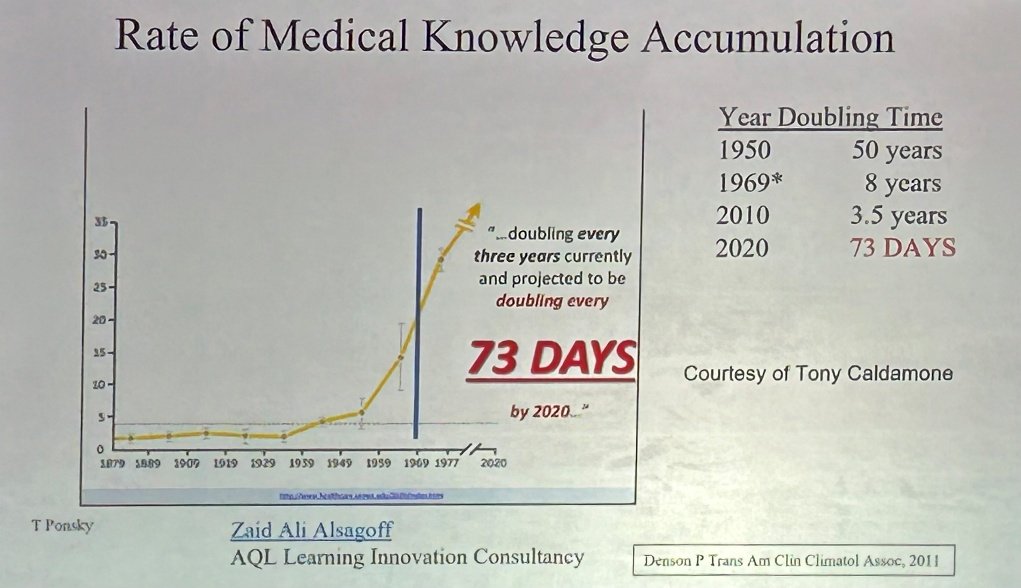
Figure 1: Rate of Medical Knowledge Accumulation.
Dr. Herndon opened by contextualizing the sheer scale of change in medical knowledge accumulation. In 1950, medical knowledge doubled every 50 years. By 1969, that interval had compressed to 8 years. By 2010, to 3.5 years; and by 2020, medical knowledge was doubling every 73 days. Against this backdrop, the volume of scientific manuscripts has followed a similarly steep trajectory.
Analyzing 60 years of publication data, Dr. Herndon highlighted that global annual peer-reviewed output grew from approximately 200,000 articles in 1965 to 1.1 million by 1999, and to 2 million by 2010. The launch of ChatGPT in November 2022 marked an inflection point, and by 2025 annual output had reached an estimated 3.7 million manuscripts, which is over 18 times the 1965 baseline. The ChatGPT effect, he noted, is now in full force.
Dr. Herndon traced the institutional response along a rapid timeline. ChatGPT launched in November 2022, and by 2023, COPE had issued a position statement, and journals began developing their own guidelines. In 2024, ICMJE and WAME had published updated recommendations, and mainstream adoption is now expected across the research community. “A monumental and accelerated adoption of this technology has forever transformed and in some respects leveled the playing field of scientific publication,” he noted.
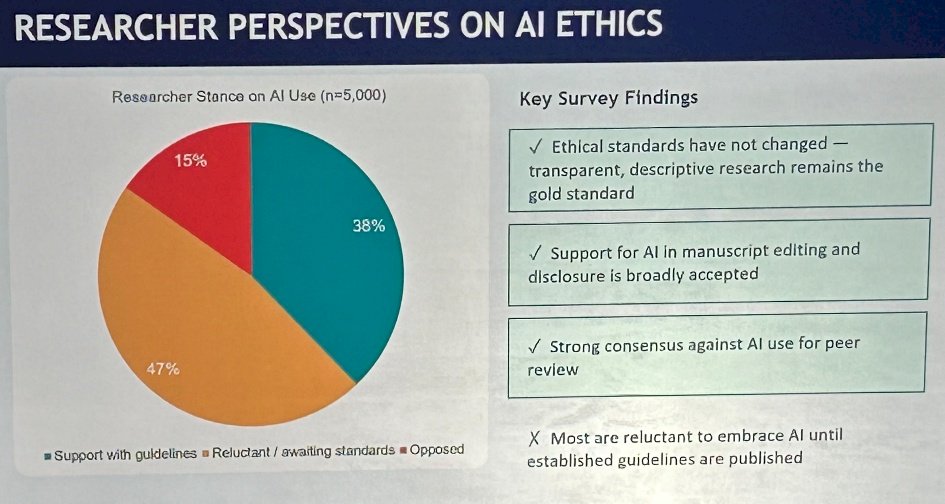
Figure 2: Researcher Perspectives on AI Ethics: a survey of 5,000 researchers.
Dr. Herndon presented survey data from over 5,000 researchers on their stance toward AI in research. While 38% of survey respondents supported AI use with appropriate guidelines, 47% were reluctant and awaiting established standards, and 15% were opposed outright. Key survey findings showed that ethical standards for transparent, descriptive research have not changed. Another key finding was that AI assistance in manuscript editing and disclosure is widely accepted, and that there is strong consensus against AI use for peer review. Critically, most researchers remain reluctant to embrace AI until formal institutional guidelines are in place, which is a gap Dr. Herndon flagged as urgent.
From his perspective as an editor at the Journal of Pediatric Urology, Dr. Herndon described the real-world impact on the publication landscape. Journals now face record-high manuscript volumes, placing significant burden on editors and reviewers who spend one to two hours daily simply vetting submissions for quality. While AI has meaningfully removed language barriers, as non-English native speakers can now participate more equitably in scientific discourse, it has simultaneously introduced ghost citations and AI hallucinations, which introduces factually incorrect content supported by fabricated references. Dr. Herndon cited a case where an AI-generated paper he had reviewed listed two well-known urologists as co-authors on a paper they would clearly never have written together. Peer review is also under increasing strain, with concerns about integrity, confidentiality, and quality control mounting across the field.
Dr. Herndon reviewed the positions of the three major governing bodies. The World Association of Medical Editors (WAME) stipulates that AI cannot be listed as an author, that disclosure of AI use is required in the methods section, that human oversight is mandatory, and that all stakeholders (e.g. authors, reviewers, editors, etc.) must declare their AI use. The International Committee of Medical Journal Editors (ICMJE), in its January 2024 updated recommendations, affirmed that AI fails the basic obligations of authorship. COPE added that humans are accountable for any errors AI creates and forbids uploading manuscripts to chatbots for the purposes of peer review.
The underlying principle across all three bodies is unambiguous, Dr. Herndon emphasized, “AI cannot be an author.” AI cannot give final manuscript approval, cannot take accountability for the work, cannot respond to post-publication queries such as letters to the editor, and cannot fulfill the broader obligations of authorship. These are not arbitrary rules but reflect a fundamental mismatch between what authorship requires and what AI is capable of.
Dr. Herndon presented a structured framework for appropriate and inappropriate AI use across the three key stakeholder groups. For publishers and editors, appropriate applications include AI detection tools, reviewer matching by keyword and content expertise via platforms like Scopus, automated guideline compliance checks for systematic reviews, language polishing, plagiarism screening, and novelty assessment. The one hard boundary is that AI must not make the final editorial decision.
For authors, Dr. Herndon outlined a five-step framework: AI-assisted literature review before writing begins is appropriate; AI drafting the original manuscript is not. Grammar polishing and language editing of a completed draft are acceptable, as is using AI to verify submission compliance with word count, tables, and reference formatting. All AI use must be declared in the methods section with specific rationale, not merely checked off on a disclosure form.
For reviewers, appropriate uses include organizing and contextualizing a review summary, checking consistency between the abstract and body of the manuscript, confirming reference accuracy to detect ghost citations, English language polishing, constructing a review template or framework, and verifying statistical accuracy. However, Dr. Herndon noted it is strongly forbidden to perform the peer review itself using AI, uploading the manuscript to any public chatbot or LLM, allowing AI to write the final review commentary, and sharing confidential manuscript content externally.
Dr. Herndon stressed that disclosure of AI use is not negotiable. AI must be declared the rationale and specifics of AI involvement throughout the research process. Transparency should be clear, and responsibility for human oversight lies with the author, reviewer, or editor.
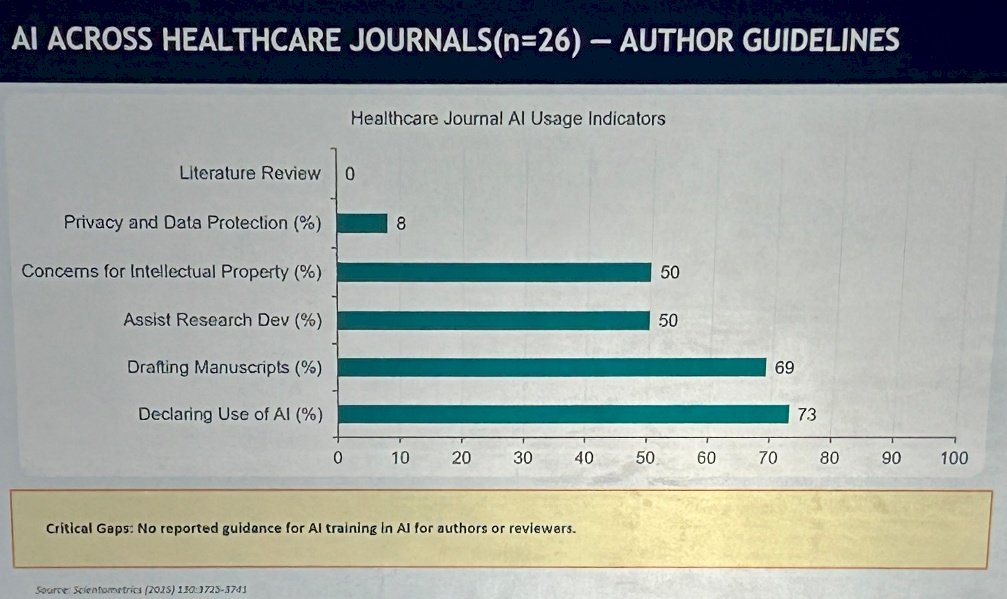
Figure 3: AI Across 26 Healthcare Journals: author guidelines.
Dr. Herndon presented a review of 26 healthcare journals’ AI author guidelines. Notably, no journal had any guidance on AI use for literature review. Only 8% addressed privacy and data protection, while 50% flagged intellectual property concerns, reflecting widespread anxiety about authors uploading manuscripts to OpenAI. Fifty percent allowed AI to assist research development, 69% permitted AI assistance in drafting manuscripts with appropriate disclosure, and 73% required declaration of AI use. Dr. Herndon emphasized a critical gap, which is that no discipline currently mandates AI training for authors or reviewers.
Next, Dr. Herndon presented striking data on AI’s effect on productivity. AI-adopting researchers had a 99% higher citation rate (p<0.001), 4.84 times more annual citations, and published 3 times more papers than non-AI researchers. Early-career research teams among AI adopters were 34% smaller, while established research teams were 10% smaller, a finding that Dr. Herndon noted carries an important ambiguity.
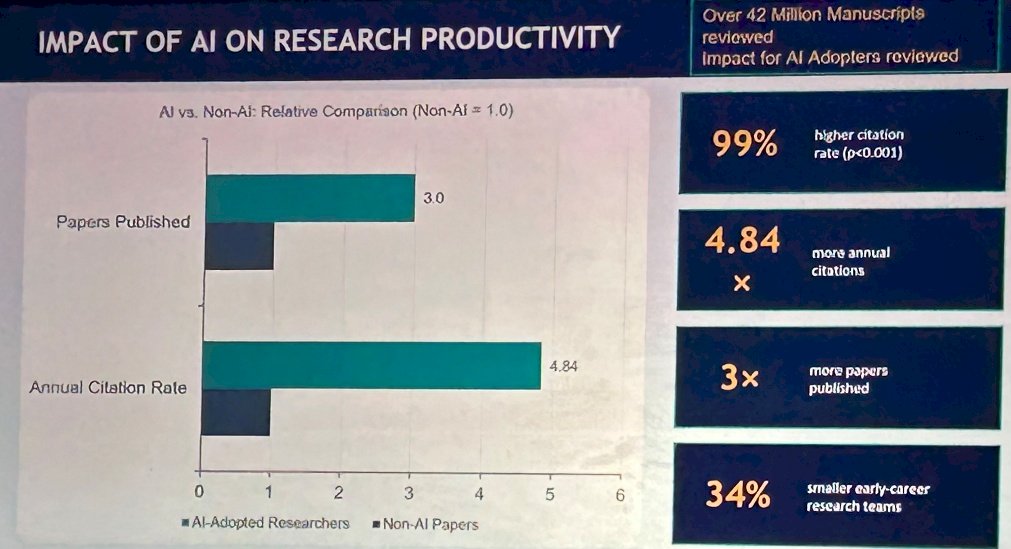
Figure 4: AI’s Effect on Research Careers.
AI adoption was associated with a 1.3-year acceleration toward established researcher status, which is a meaningful career advantage. However, this is a double-edged sword: smaller teams may reflect gains in efficiency, or they may signal that AI is actively reducing opportunities for early-career researchers.
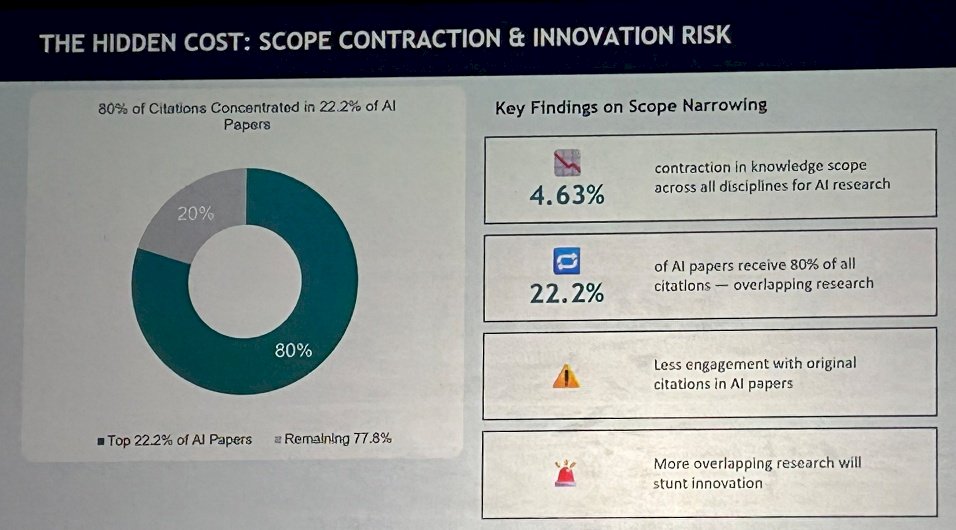
Figure 5. The Hidden Cost: scope contraction and innovation risk.
Perhaps the most sobering data Dr. Herndon presented concerned what he called the “hidden cost of AI adoption” - scope contraction. AI-research papers show a 4.63% contraction in knowledge scope across disciplines, driven by LLM algorithms that tend to cite themselves in a self-reinforcing cycle. Just 22.2% of AI papers receive 80% of all citations, creating overlapping, redundant research clusters with less engagement with original sources. The downstream consequence, Dr. Herndon warned, is a stunting of innovation.
Dr. Herndon framed the central challenge as maintaining a delicate balance. On one side are genuine efficiency gains: submission volume management, language barrier removal, reviewer workload reduction, citation and reference checking, faster career trajectories, and increased publication volume. On the other are serious integrity risks, which encompass algorithmic bias reinforcement, ghost references and hallucinations, knowledge scope contraction, authorship ambiguity, smaller research teams, and innovation stagnation. Concluding this point, Dr. Herndon stated that absolute human oversight must tip the balance toward integrity.
Dr. Herndon closed with a call to action for the urology community. Journals must establish clear, explicit AI guidelines across the entire publication process. Second, authors must mandate transparent disclosure with specific rationale. The field must urgently require AI training for authors and reviewers alike, as no discipline currently mandates this. Uploading manuscripts to public chatbots must remain strictly forbidden to protect integrity and author confidentiality. Publishers should invest in AI detection tools capable of identifying AI-generated content, ghost citations, and assessing conceptual novelty. And above all, the community must preserve human creativity. “Maintaining this delicate balance in favor of absolute oversight,” Dr. Herndon concluded, “should allow advancement without placing the academic integrity of all our work at risk.”
Presented by: Anthony Herndon, MD, Professor and Chief, Division of Pediatric Urology; Surgeon-in-Chief, Children’s Hospital of Richmond at VCU, Richmond, VA, USA
Written by: Helen Gao, Medical Student at Robert Wood Johnson Medical School, Leadership and Innovation Fellowship Training (LIFT) Scholar at Department of Urology, University of California, Irvine. @helengao295 on X during the American Urological Association (AUA) 2026 Annual Meeting, Washington, DC, Fri, May 15 – Mon, May 18, 2026.
References:
- Densen P. Challenges and opportunities facing medical education. Trans Am Clin Climatol Assoc. 2011;122:48-58.
- Kwon D. Is it OK for AI to write science papers? Nature survey shows researchers are split. Nature. 2025;641(8063):574-578. doi:10.1038/d41586-025-01463-8
- Doskaliuk B, Zimba O, Yessirkepov M, Klishch I, Yatsyshyn R. Artificial Intelligence in Peer Review: Enhancing Efficiency While Preserving Integrity. J Korean Med Sci. 2025 Feb;40(7):e92. https://doi.org/10.3346/jkms.2025.40.e92
- Leung TI, de Azevedo Cardoso T, Mavragani A, Eysenbach G. Best Practices for Using AI Tools as an Author, Peer Reviewer, or Editor. J Med Internet Res. 2023;25:e51584. Published 2023 Aug 31. doi:10.2196/51584
- Alsulami, M. R., Al-Hafdi, F. S., & Alhalafawy, W. S. (2025). The Potential of Generative AI in Scientific Publishing: Exploration of Researchers’ Journeys from Draft to Publication. International Journal of Interactive Mobile Technologies (iJIM), 19(21), pp. 77–106. https://doi.org/10.3991/ijim.v19i21.56133
- Zielinski C, Winker MA, Aggarwal R, et al. Chatbots, generative AI, and scholarly manuscripts: WAME recommendations on chatbots and generative artificial intelligence in relation to scholarly publications. Colomb Med (Cali). 2023;54(3):e1015868. Published 2023 Sep 30. doi:10.25100/cm.v54i3.5868
- ICMJE. Recommendations for the Conduct, Reporting, Editing, and Publication of Scholarly Work in Medical Journals. Updated January 2024.
- COPE. Position Statement: Authorship and AI tools. February 2023.
- Goyanes, M., Lopezosa, C. & Piñeiro-Naval, V. The use of artificial intelligence (AI) in research: a review of author guidelines in leading journals across eight social science disciplines. Scientometrics 130, 3725–3741 (2025). https://doi.org/10.1007/s11192-025-05377-0.