

(UroToday.com) The 2026 GU ASCO annual meeting featured a kidney cancer session and a presentation by Dr. Miguel Zugman discussing the first results of a dose-escalation study evaluating CBM588 with nivolumab + ipilimumab in metastatic renal cell carcinoma (RCC). CBM588 has shown the potential to improve clinical outcomes when combined with immune checkpoint inhibitors in untreated metastatic RCC.1,2
Since no significant treatment-related adverse events were related to CBM588 in previous studies, Dr. Zugman and colleagues sought to determine if CBM588 capsules, a novel formulation of this live biotherapeutic, designated MO-03, could be delivered at higher doses with similar tolerability and greater biologic effect.
Patients with treatment-naïve metastatic RCC and any international metastatic RCC Database Consortium (IMDC) risk were treated with nivolumab (3 mg/kg q3w ×4, then 480 mg q4w) and ipilimumab (1 mg/kg q3w ×4) plus CBM588 at one of three dose levels (4 × 10⁸, 1.2 × 10⁹, or 4 × 10⁹ CFU BID) in a 3+3 dose-escalation design:
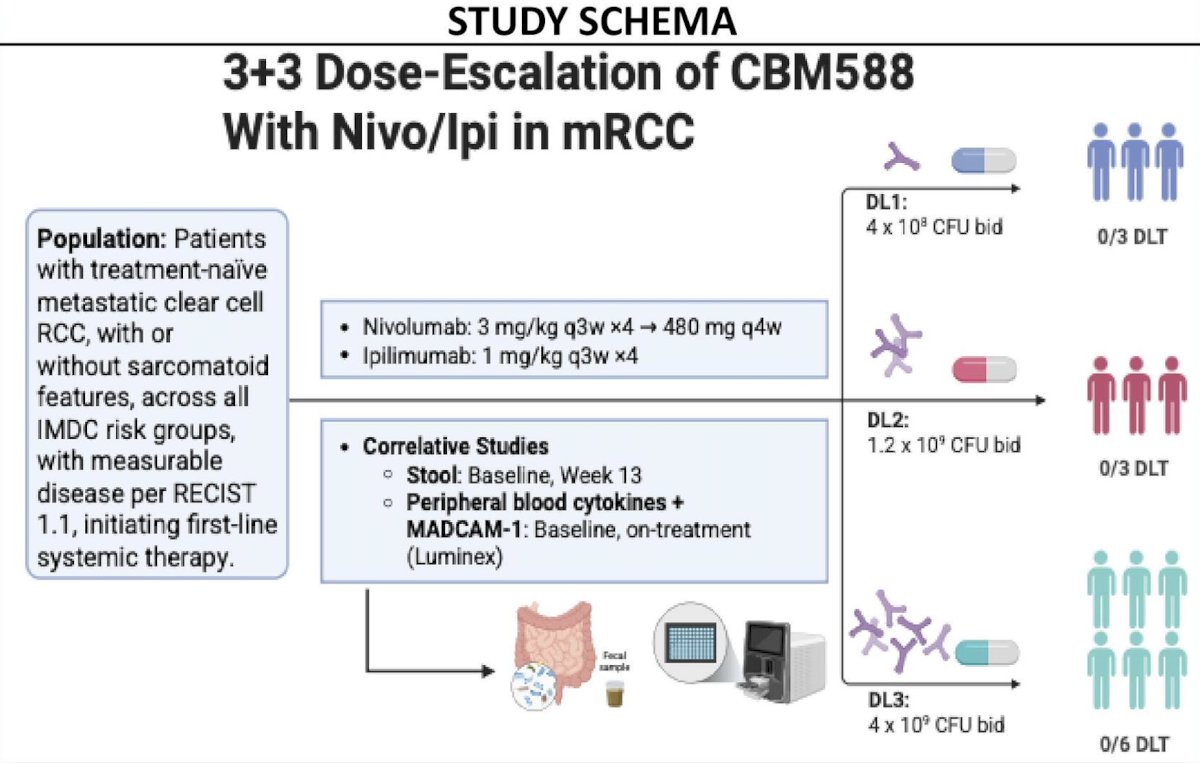
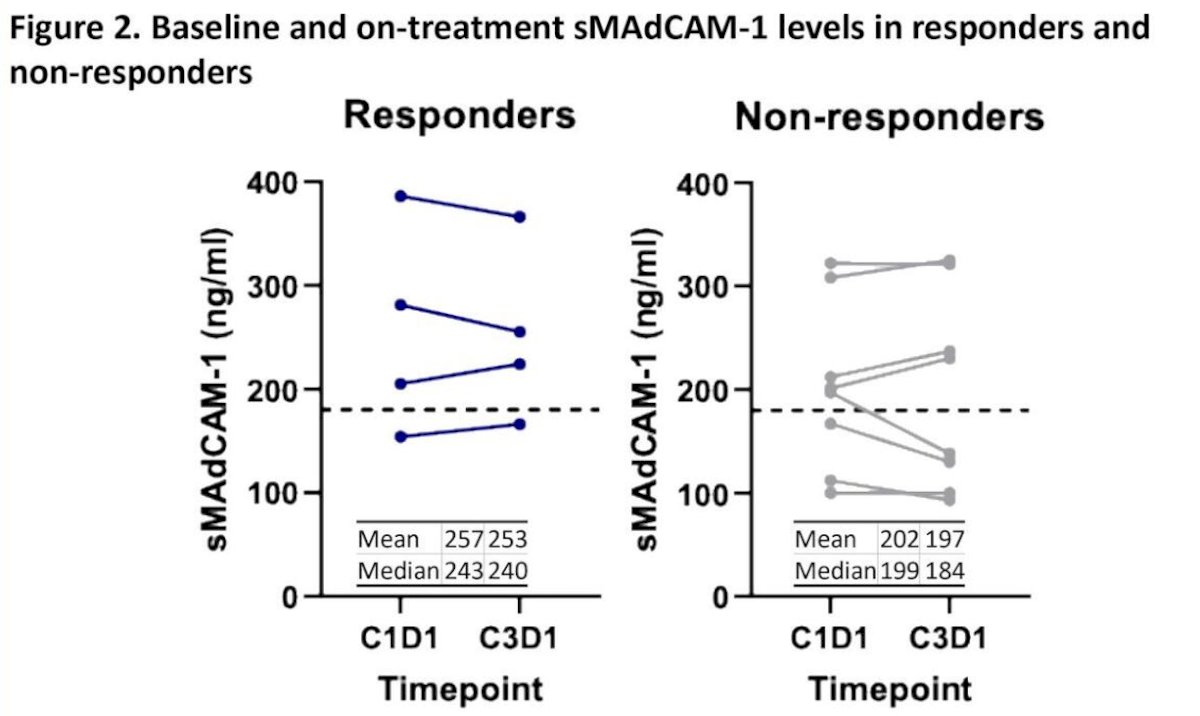
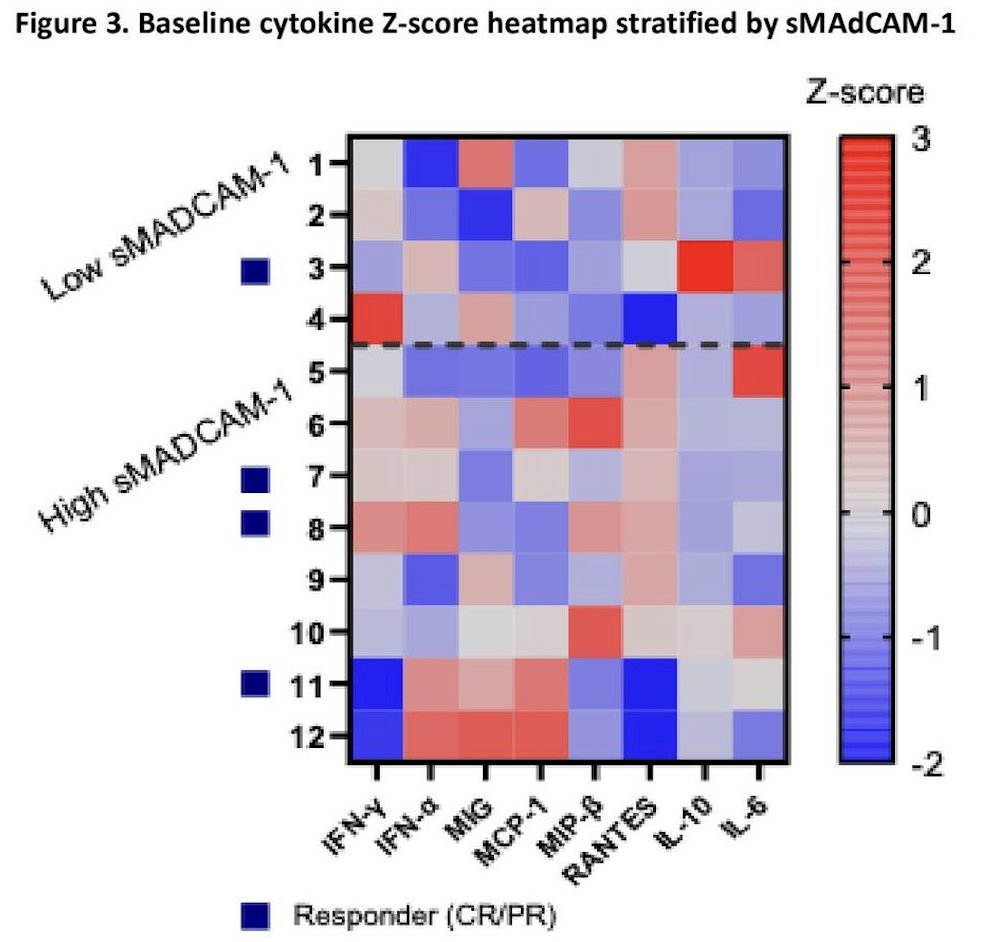
The primary endpoint was safety, with secondary endpoints including response rate and progression-free survival. Stool samples collected at baseline and week 13 were analyzed by metagenomic sequencing to assess microbial composition across CBM588 dose levels. Plasma samples collected at baseline and cycle 3 were analyzed for soluble mucosal addressin cell adhesion molecule-1 (sMAdCAM-1), a biomarker associated with dysbiosis.3
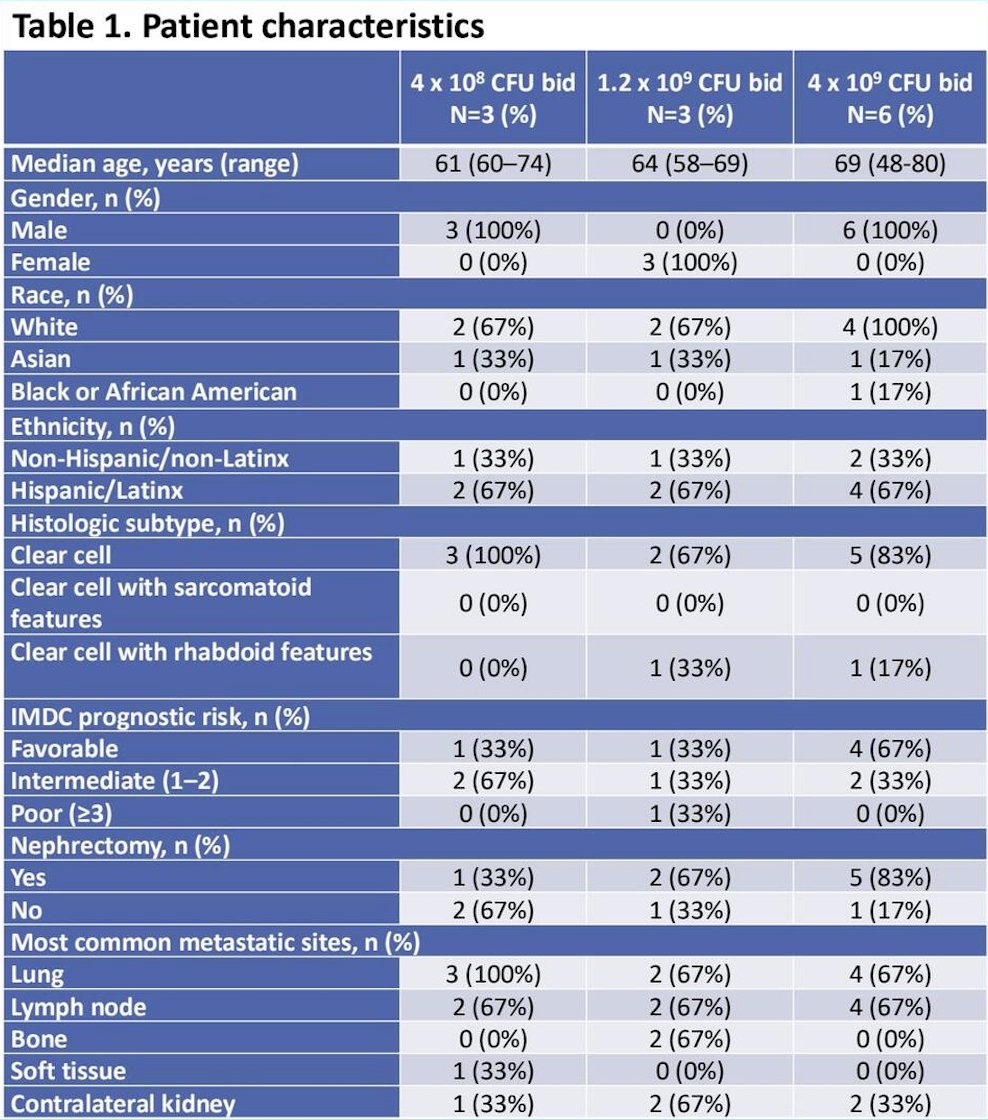
Twelve patients were treated between June 26, 2024, and November 10, 2025. The median age was 69 (range 48-80) years of age, all had clear cell histology without sarcomatoid features, and two patients had rhabdoid features. Half the cohort had ≥3 metastatic sites, most commonly involving the lung, lymph nodes, and contralateral kidney. Most patients had a favorable (50%) or intermediate (42%) IMDC risk:
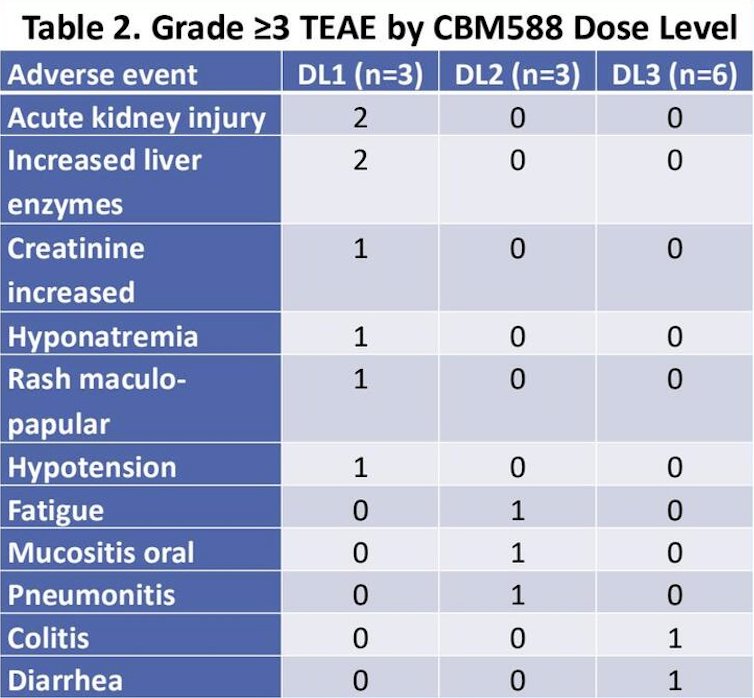
No dose-limiting toxicities were observed at any dose level, and no dose-dependent increase in immune-related toxicity was noted with CBM588 escalation. Grade 3+ treatment emergent adverse events occurred in 9/12 patients and are summarized in the following table:
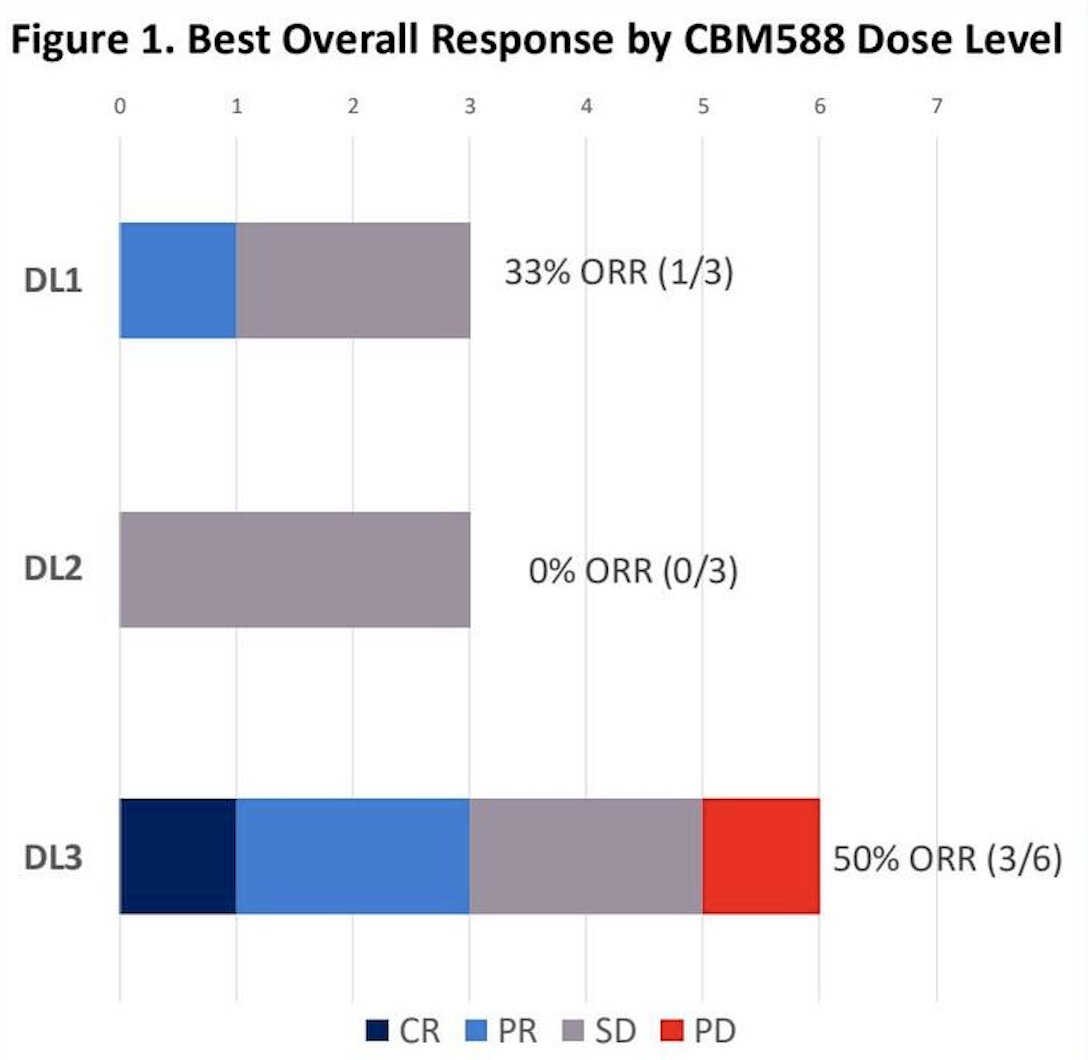
Best overall response among the 12 patients included 4 with objective responses (1 complete response, 3 partial responses), 7 had stable disease, and 1 had progressive disease:
At baseline, sMAdCAM-1 levels were above the cutoff in 3/4 responders and 5/8 non-responders. The mean and median values were numerically higher in responders than non-responders at both cycle 1 day 1 and cycle 3 day 1, although the sample size precluded formal statistical comparison. Paired cycle 1 day 1/cycle 3 day 1 analysis showed no consistent pattern of change by response status:
Baseline cytokine profiles demonstrated inter-patient heterogeneity across both low and high sMAdCAM-1 groups, without a clear or consistent cytokine pattern distinguishing groups:
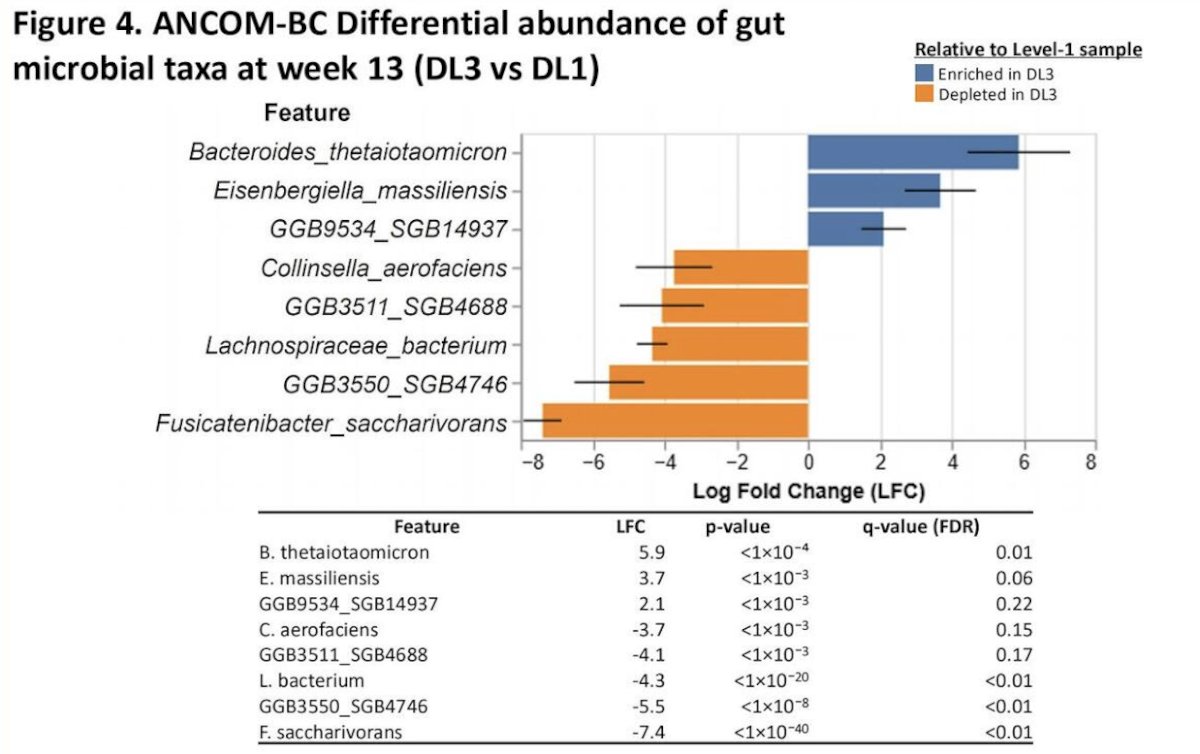
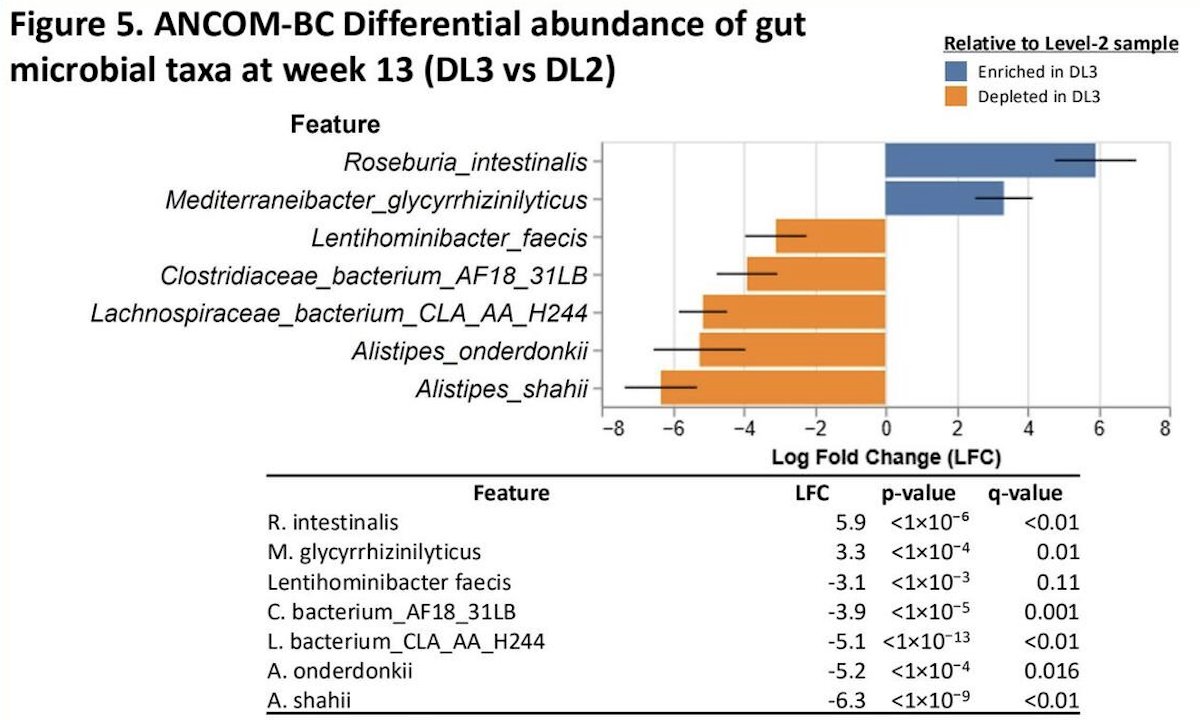
ANCOM-BC differential abundance analysis of week 13 stool samples identified multiple gut microbial taxa differing between CBM588 DL3 and DL1, as well as between DL3 and DL2, after false discovery rate adjustment, with a q-value <0.25 considered significant:
Dr. Zugman concluded his presentation discussing the first results of a dose-escalation study evaluating CBM588 with nivolumab + ipilimumab in metastatic RCC with the following take-home points:
- CBM588 was well tolerated at the highest dose level (MO-03) in combination with nivolumab + ipilimumab
- Translational analyses demonstrated dose-associated differences in gut microbiome composition and highlighted baseline immune heterogeneity, with further correlative studies planned in the full expansion cohort (+ 10 patients)
- These findings support the selected dosing strategy for the planned phase III SWOG S2419 study
Presented by: Miguel Zugman, MD, City of Hope Comprehensive Cancer Center, Duarte, CA
Related content: Phase I Trial Explores Formulation of CBM588 Probiotic in Advanced RCC - Miguel Zugman
References:
- Dizman N, Meza L, Bergerot P, et al. Nivolumab plus ipilimumab with or without live bacterial supplementation in metastatic renal cell carcinoma: A randomized phase 1 trial. Nat Med. 2022 Apr;28(4):704-712.
- Ebrahimi H, Dizman N, Meza L, et al. Cabozantinib and nivolumab with or without live bacterial supplementation in metastatic renal cell carcinoma: A randomized phase 1 trial. Nat Med. 2024 Sep;30(9):2576-2585.
- Fidelle M, Rauber C, Silva CAC, et al. A microbiota-modulated checkpoint directs immunosuppressive intestinal T cells into cancers. Science. 2023 Jun 9;380(6649):eabo2296.