

(UroToday.com) The 2026 GU ASCO annual meeting featured a urothelial carcinoma trials in progress session and a presentation by Dr. Sarah Psutka discussing the EMPOWER trial evaluating a home-based physical activity program with the ExerciseRx digital platform versus health education in people with non-muscle invasive bladder cancer.
The non-muscle invasive bladder cancer population is emblematic of older patients with cancer, with a high burden of frailty, sarcopenia, mobility impairment, and multimorbidity. “Exercise as Medicine” has emerged as a critical component of comprehensive cancer care with reported benefits across physical, mental, emotional, and social domains as well as oncologic outcomes. However, most adults with cancer do not meet recommended physical activity guidelines. Dr. Psutka and colleagues are conducting a randomized controlled trial comparing the efficacy of a home-based physical activity program delivered via the ExerciseRx digital health tool to guideline-based health education with respect to (i) improvement of physical function and (ii) impact on health-related quality of life, frailty, treatment-associated toxicity, and oncologic outcomes.
EMPOWER will recruit and randomize 100 patients in a 1:1 ratio to the physical activity program or the health education arms. The physical activity program arm will be provided with a 12-week personalized, home-based exercise program (~20-30 minutes, 4x weekly) via the ExerciseRx app as well as a weekly graded progression in personalized step count goals. The health education arm will receive printed education on guideline-based exercise recommendations in line with NCCN Survivorship for Healthy Living Guidelines:

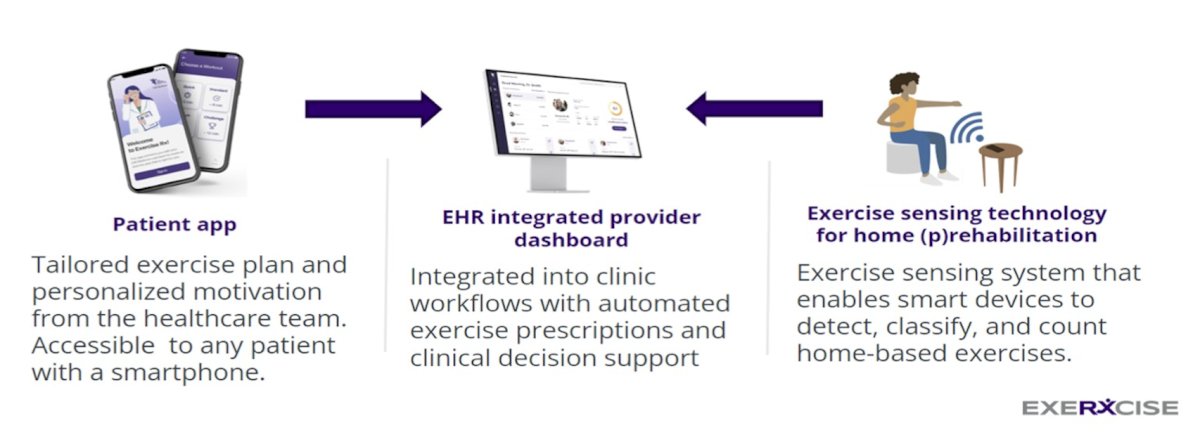
The ExerciseRx platform is comprised of:
- A provider dashboard embedded in the electronic health record, for recommending exercises and monitoring progress
- A patient app that delivers exercise plans and tracks exercise repetitions using native sensors in smart devices
Step count in both study groups will be tracked with Fitbit (Inspire 3). Eligibility criteria include English-speaking adults (> 18 years) with a history of non-muscle invasive bladder cancer who are willing and able to participate in walking and home exercise safely. The primary outcome of interest is the change in average daily Fitbit-assessed step count between baseline and 12 weeks, and 4-weeks after intervention completion (16 weeks). Secondary outcomes include change in Short Physical Performance Battery performance, patient-reported quality of life (EORTC-QLQ-C30, -NMIBC24), and frailty (Cancer and Aging Resilience Evaluation), treatment burden, and PRO-CTCAE v.6.0 assessed side effects, exercise-related adverse events, and resilience. Feasibility, usability, and app utilization metrics will also be assessed. Currently, pre-trial interviews are underway to inform the ExerciseRx app, refining it for this survivorship/non-muscle invasive bladder cancer population. As of February 2026, the trial is open.
Presented by: Sarah Psutka, MD, MS, FACS, Urologic Oncologist, Associate Professor of Urology, Department of Urology, Fred Hutchinson Cancer Research Center, University of Washington, Seattle, WA
Written by: Zachary Klaassen, MD, MSc – Urologic Oncologist, Associate Professor of Urology, Georgia Cancer Center, Wellstar MCG Health, @zklaassen_md on Twitter during the 2026 Genitourinary (GU) American Society of Clinical Oncology (ASCO) Annual Meeting, San Francisco, CA, Thurs, Feb 26 – Sat, Feb 28, 2026.
Related content: Machine Learning Models Aim to Quantify Vulnerability in Geriatric Oncology Patients - Sarah Psutka