

(UroToday.com) The 2025 American Society of Clinical Oncology (ASCO) Genitourinary (GU) Annual Symposium held in San Francisco, CA between February 13–15, 2025 was host to a renal cell, adrenal, penile, testicular, and urethral cancers trials-in-progress poster session. Dr. Tian Zhang presented the ongoing BOOST-RCC phase II trial of evolocumab plus nivolumab in patients with metastatic renal cell carcinoma (mRCC).
While metastatic renal cell carcinoma (mRCC) is known to be immunogenic, and recent advances with immune checkpoint inhibitors (ICIs) have improved survival, progression after ICIs remains common. One mechanism of acquired ICI resistance centers around loss of tumor antigen presentation.

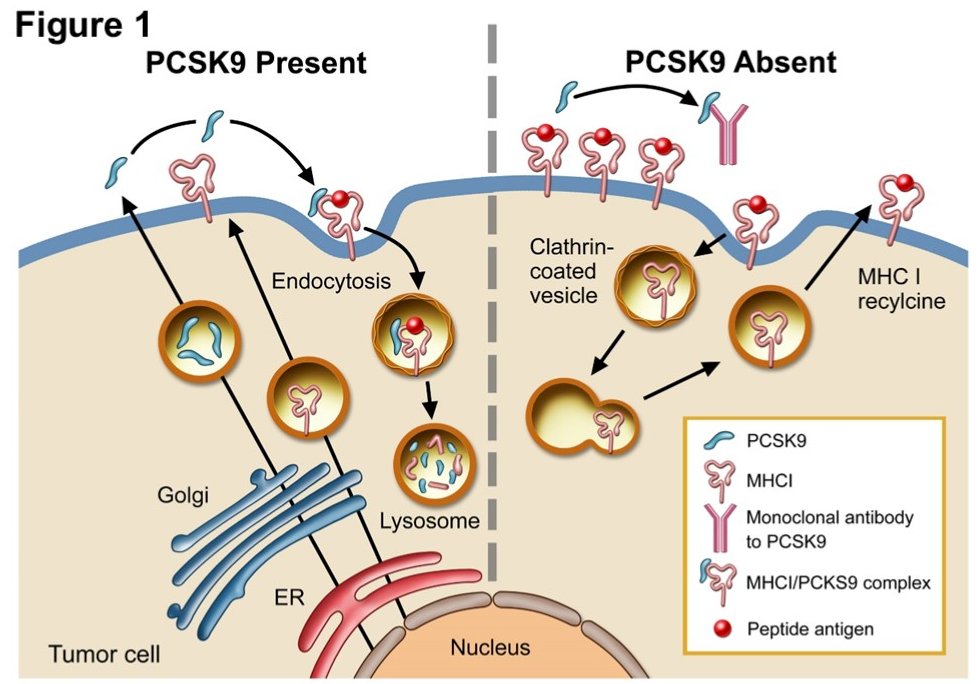
Proprotein convertase subtilisin/kexin type 9 (PCSK9) directs MHC-I molecules to the lysosome, and inhibition of PCSK9 improves MHC-I expression and tumor antigen presentation.
Evolocumab is a PCSK9 inhibitor shown in preclinical models of colorectal cancer, breast cancer, and melanoma to improve tumor antigen presentation, intratumoral CD8 T-cell infiltration and activation, and overall tumor control. In a phase 1 trial of sitravatinib/ipilimumab/nivolumab in mRCC, EMT pathways and loss of MHC-I expression were associated with resistance.
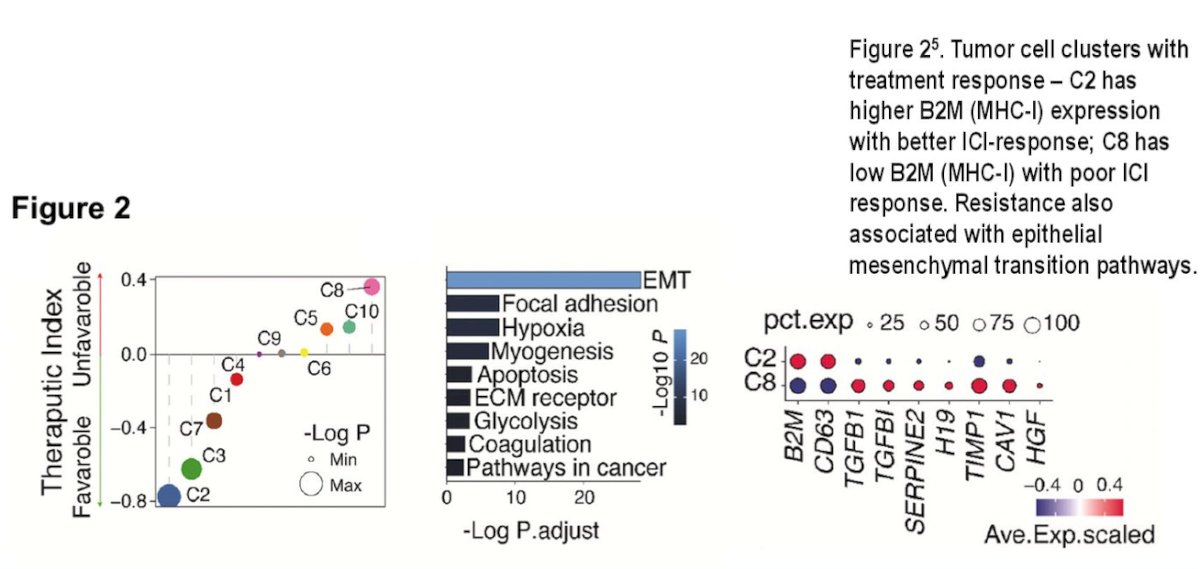
The study investigators hypothesized that ICI resistance in mRCC is partly due to loss of tumor antigen presentation, and this can be overcome by adding a PCSK9 inhibitor to PD-1 inhibition. They designed and opened a phase II trial with safety lead-in, adding evolocumab to nivolumab in mRCC refractory to first-line ICI combinations.
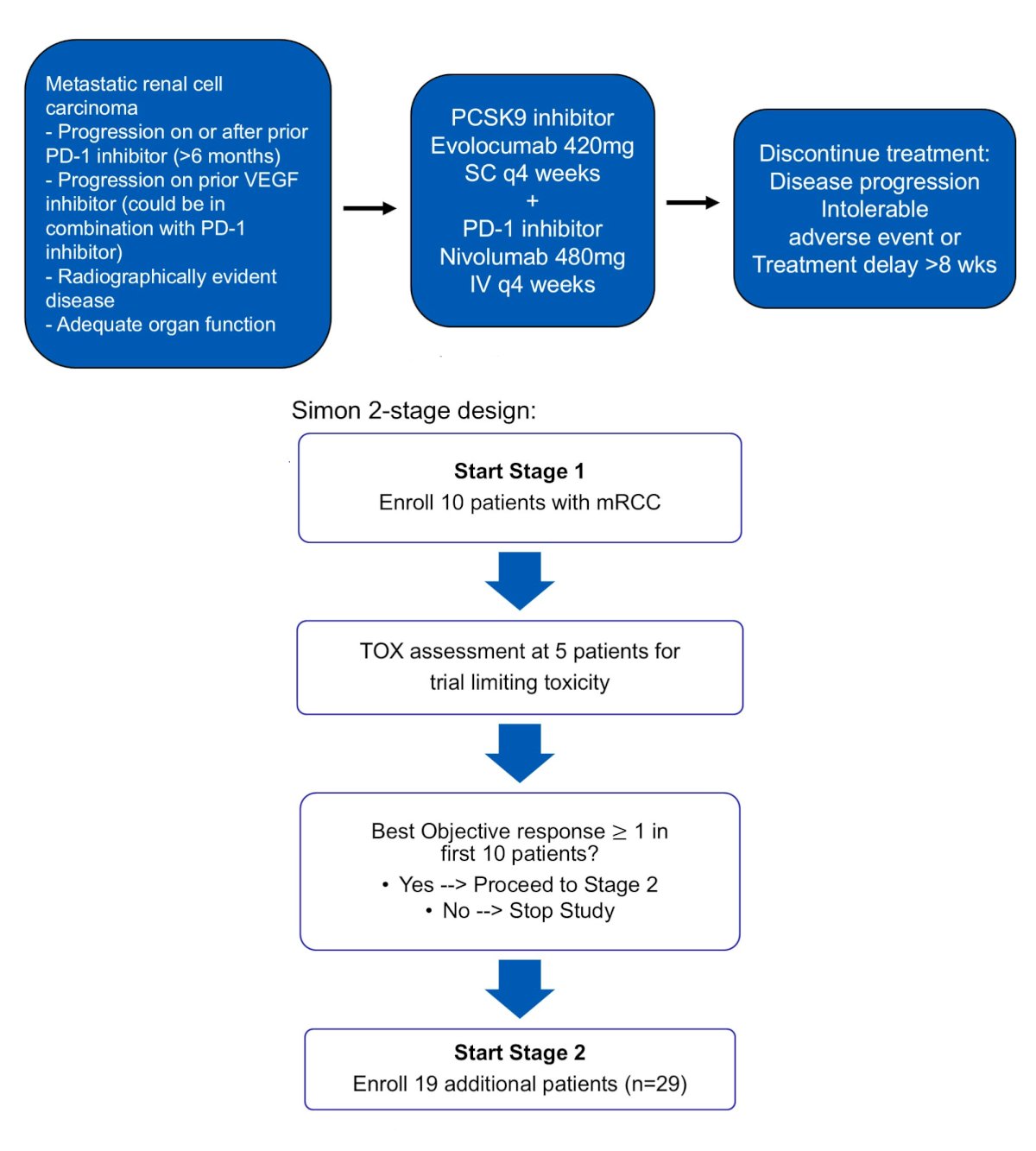
The study design is illustrated below. This trial will include mRCC patients with disease progression on or after prior PD-1 inhibitor therapy (>6 months) and prior VEGF inhibitor (either 2nd line or in combination with anti-PD-1) and having radiographically visible disease. Eligible patients will receive evolocumab 420 mg subcutaneously every 4 weeks + nivolumab 480 mg intravenously every 4 weeks. Patients will continue treatment until disease progression, intolerable adverse event, or treatment delay >8 weeks,
The primary objectives are:
- Objective response rates based on RECIST v1.1
- Trial limiting toxicities for the safety of combination
The secondary objectives are:
- Adverse events associated with evolocumab/nivolumab
- Disease control rate based on RECIST 1.1 and iRECIST
- Duration of response
- Progression free survival
- 1-year survival rates
- Overall survival
Exploratory objectives are:
- Tissue CD3 & CD8 T-cell infiltration and MHC-I expression
- Circulating LDL and PCSK9 levels
- Circulating Iymphoid and myeloid cellular subsets
- Circulating tumor cell changes
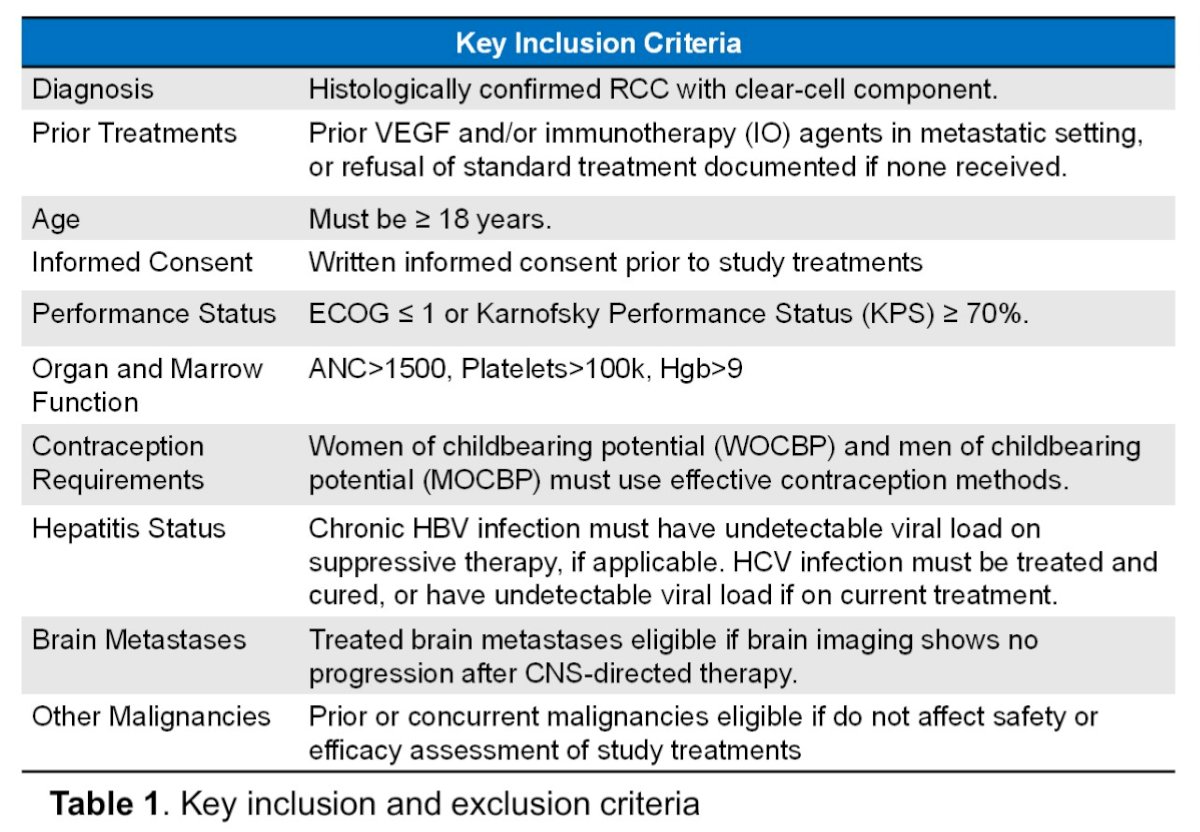
The key inclusion/exclusion criteria are as follows:
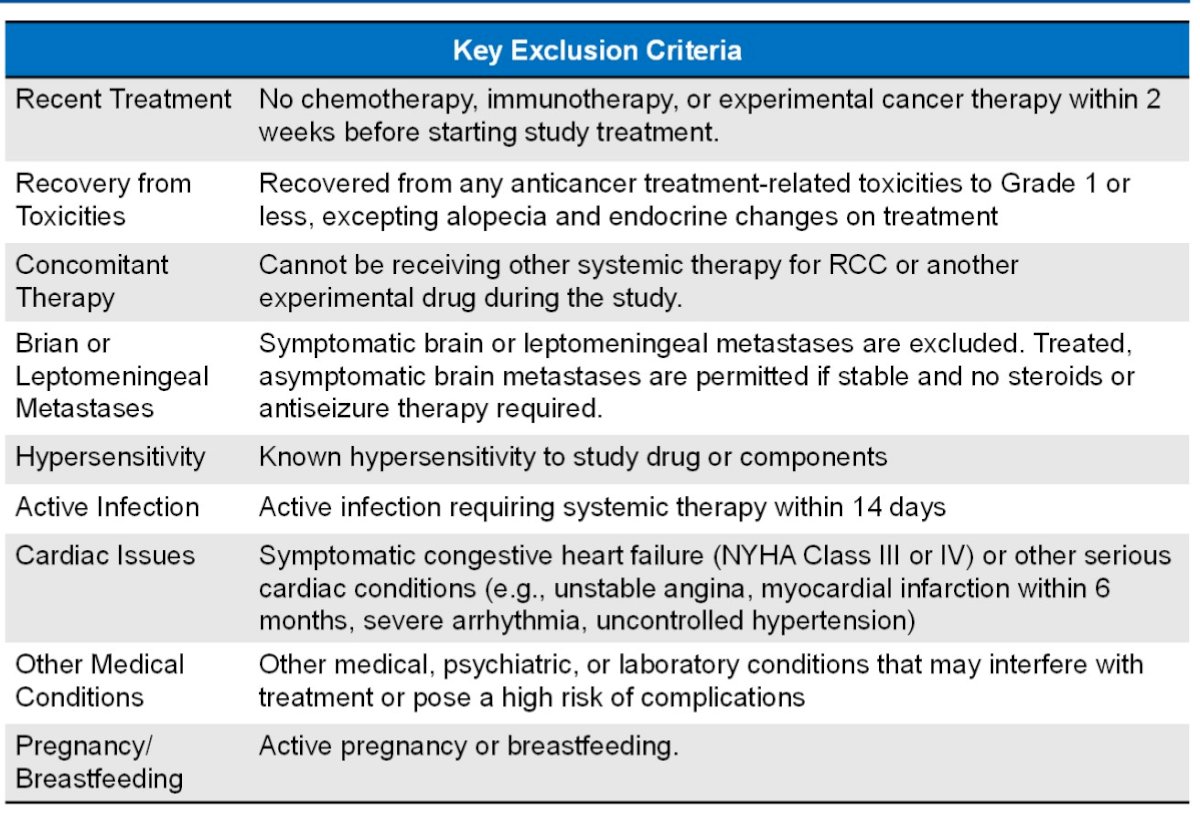
Dr. Zhang concluded that BOOST-RCC addresses an unmet need for current mRCC treatment, specifically in patients who progress despite ICIs. The trial will evaluate the safety and efficacy of combined PD-1 inhibition with PCSK9 inhibition in patients with mRCC refractory to ICIs.
This approach could improve immune responses, leading to better tumor control and longer survival in patients with mRCC. Ultimately improving insights to immune evasion mechanisms.
Enrollment is ongoing, pending first-stage safety and efficacy assessments within the Kidney Cancer Research Consortium at UT Southwestern Simmons Comprehensive Cancer Center and MD Anderson Cancer Center (NCT06284564).
Presented by: Tian Zhang, MD, MHS, Associate Professor, Department of Internal Medicine, UT Southwestern Medical Center, Dallas, TX
Written by: Rashid K. Sayyid, MD, MSc – Robotic Urologic Oncology Fellow at The University of Southern California, @rksayyid on Twitter during the 2025 Genitourinary (GU) American Society of Clinical Oncology (ASCO) Annual Meeting, San Francisco, CA, Thurs, Feb 13 – Sat, Feb 15, 2025.