

(UroToday.com) The 2026 ASCO annual meeting featured a kidney cancer session and a presentation by Dr. Andrea Apolo discussing an updated subgroup analysis of the phase 3 CheckMate-9ER trial assessing cabozantinib + nivolumab versus sunitinib in patients with advanced RCC and bone metastasis. Bone metastases occur in ~30-35% of patients with advanced RCC and are associated with severe skeletal complications and poor survival outcomes. In first line advanced RCC, cabozantinib + nivolumab significantly improved progression free survival, overall survival, and objective response rate versus sunitinib in the phase 3 CheckMate 9ER trial.1,2 In an exploratory analysis with median 23.5-months follow-up, cabozantinib + nivolumab improved progression free survival, overall survival, and objective response rate versus sunitinib in patients with or without bone metastasis at baseline. At the 2026 ASCO annual meeting, Dr. Apolo and colleagues presented results of an updated exploratory analysis of outcomes by baseline bone metastasis status based on the 5-year update and analyzed subgroups with additional metastatic sites.
There were 651 patients with clear-cell advanced RCC randomized 1:1 to receive cabozantinib (40 mg daily) plus nivolumab (240 mg every 2 weeks) or sunitinib (50 mg daily for 4 weeks in 6-week cycles). The median follow-up was 67.6 months. Progression free survival (primary endpoint) and objective response rate were per RECIST v1.1 by blinded independent central review. Patient subgroups analyzed here include those with or without bone metastasis at baseline and those with liver, lung, lymph node, or adrenal gland metastasis in addition to bone metastasis.
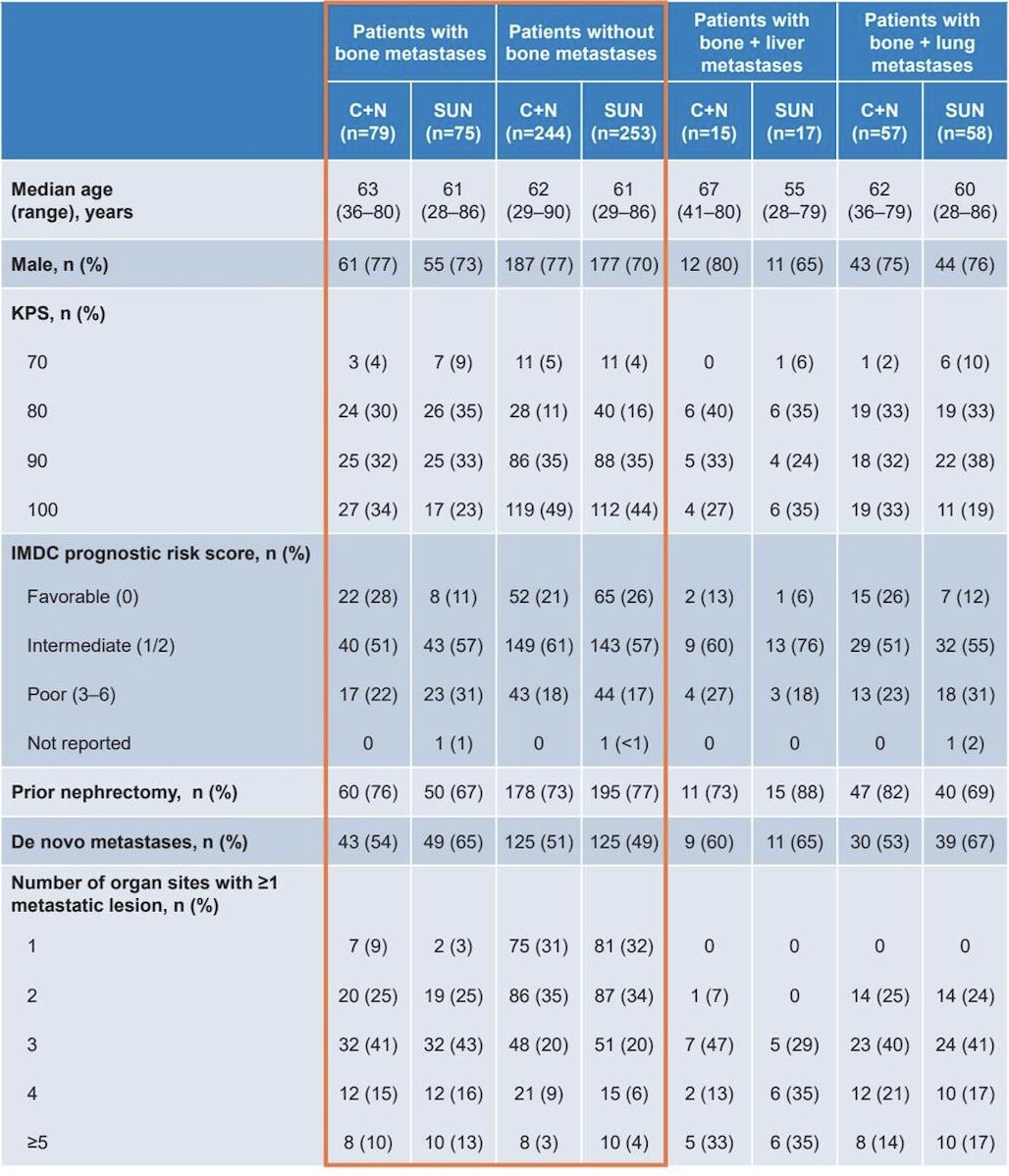
There were 154 patients who had bone metastasis at baseline. Baseline characteristics were generally consistent between treatment arms for subgroups with and without bone metastasis. Patients with all 3 sites of metastases (ie. bone, liver, and lung) had similar baseline characteristics to the other subgroups, with a lower percentage of patients having IMDC favorable risk disease:
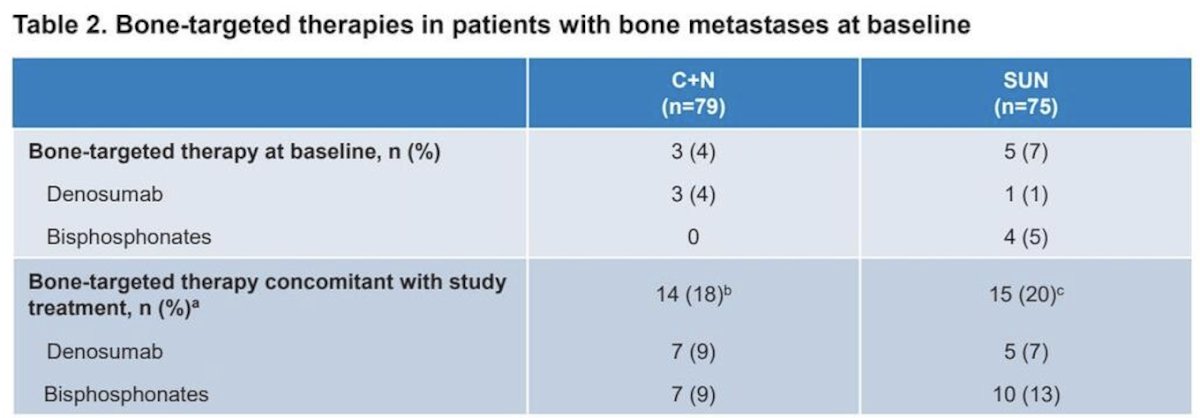
Baseline and concomitant use of bone targeted therapies in patients with bone metastases at baseline was similar across treatment arms:
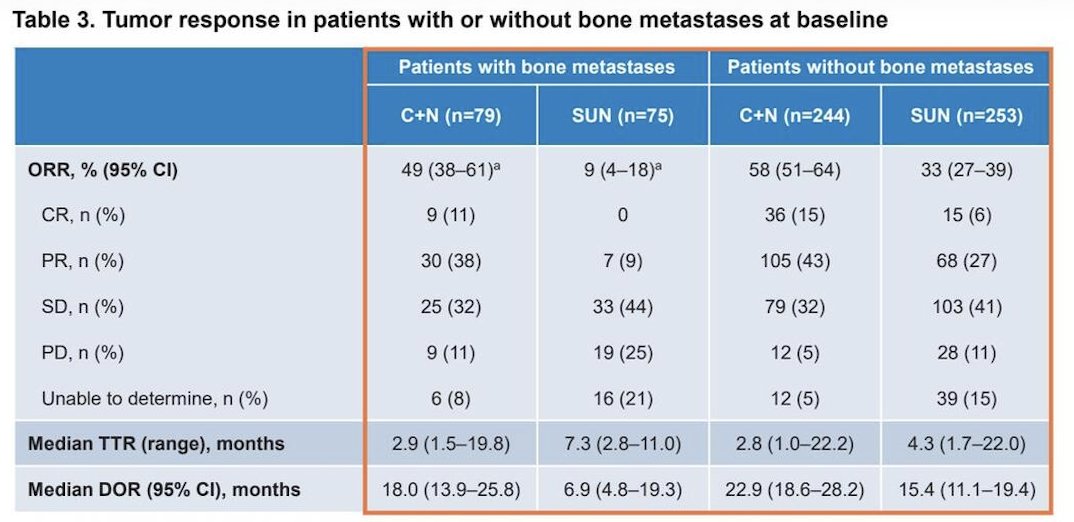
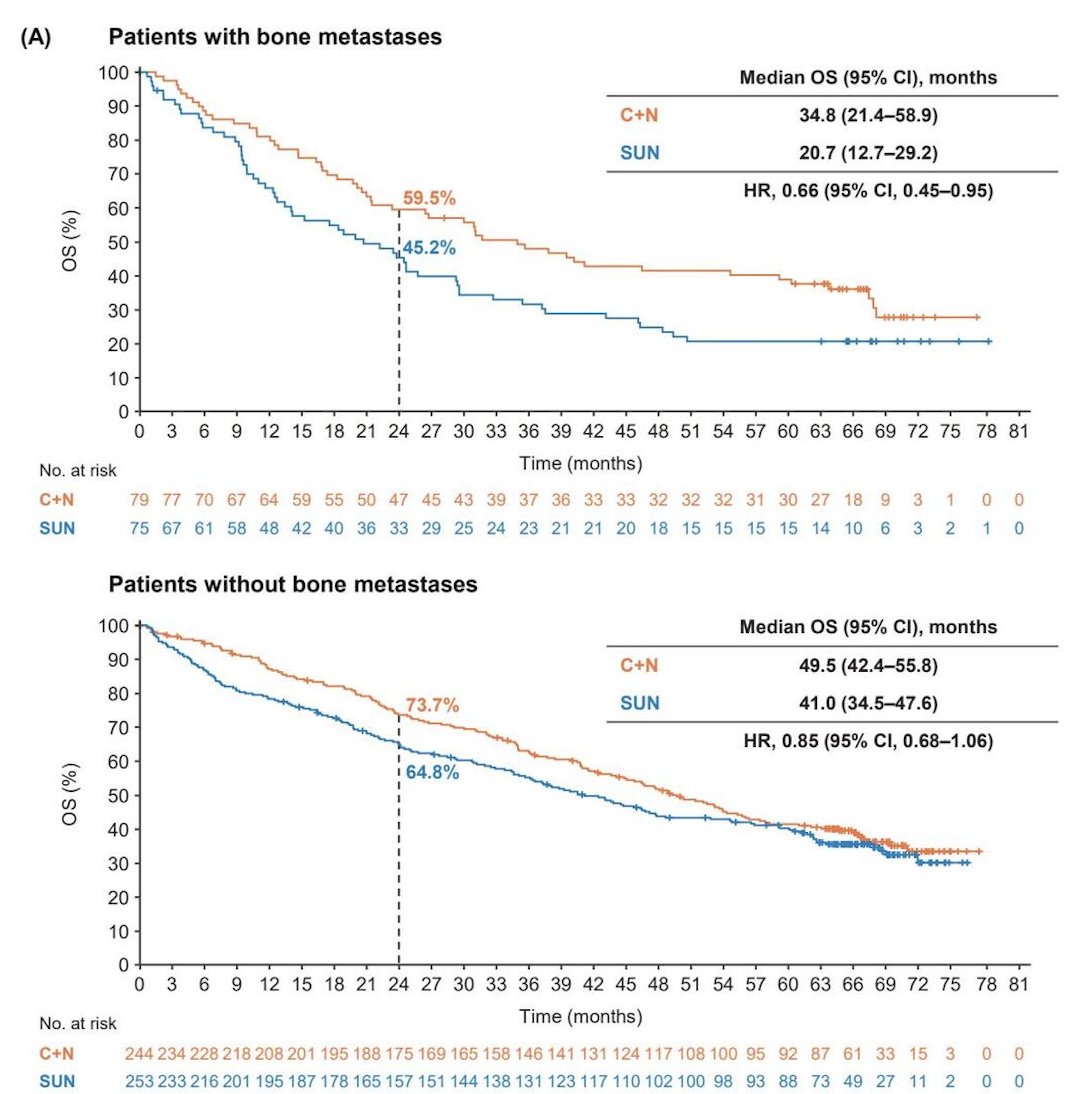
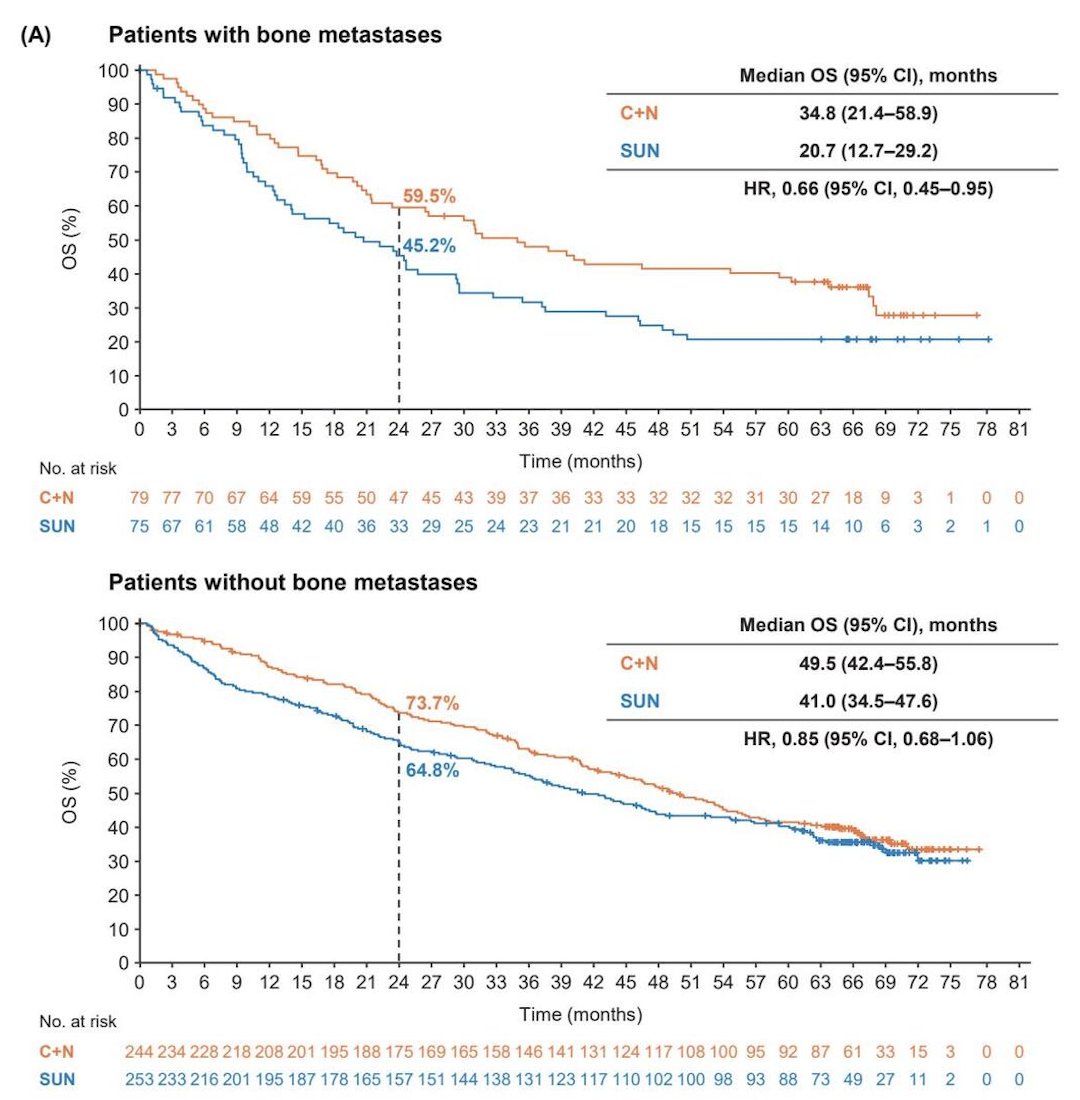
Compared with sunitinib, objective response was higher, and progression free survival, overall survival, and duration of response were prolonged with cabozantinib + nivolumab regardless of the presence of bone metastases:
Although efficacy outcomes were less favorable in patients with bone metastases versus those without in both treatment arms, the relative benefit of cabozantinib + nivolumab versus sunitinib was consistent across all metastatic site subgroups examined:
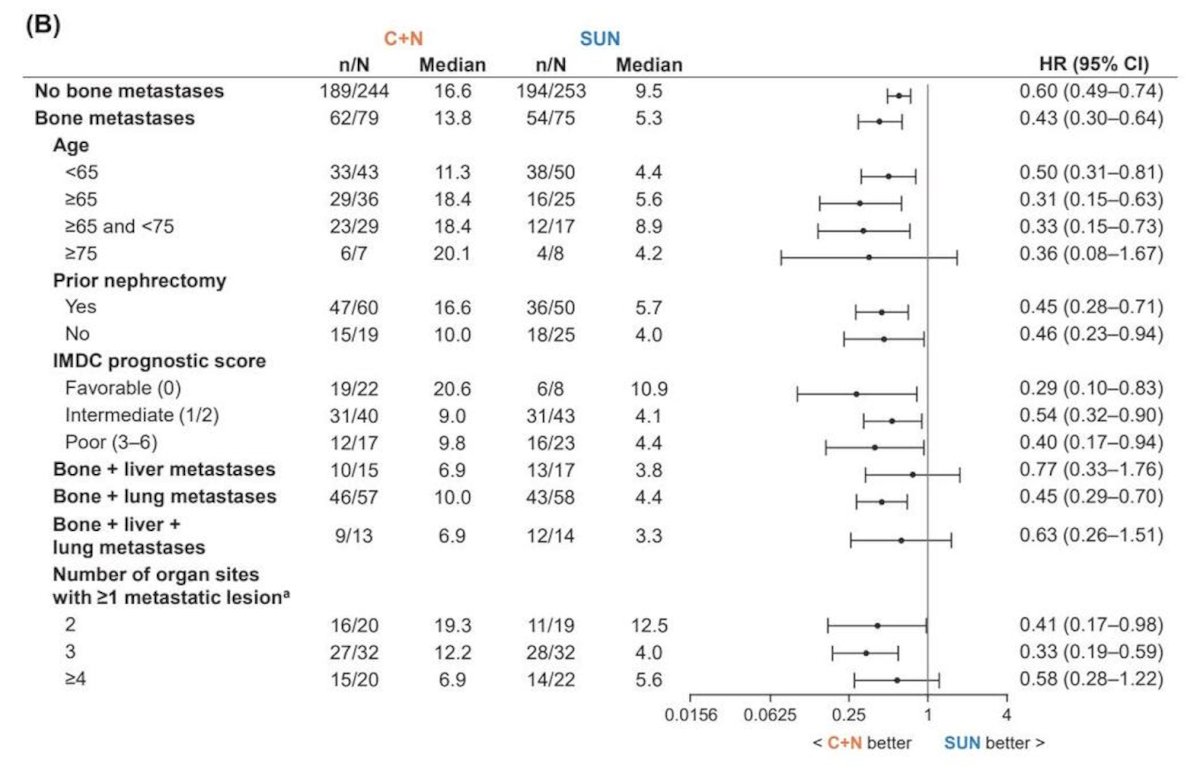
Among patients with bone metastases, the benefit of cabozantinib + nivolumab was observed across subgroups according to age, prior nephrectomy, IMDC prognostic risk score, and additional sites of metastases. The following Forest plot is for progression free survival:
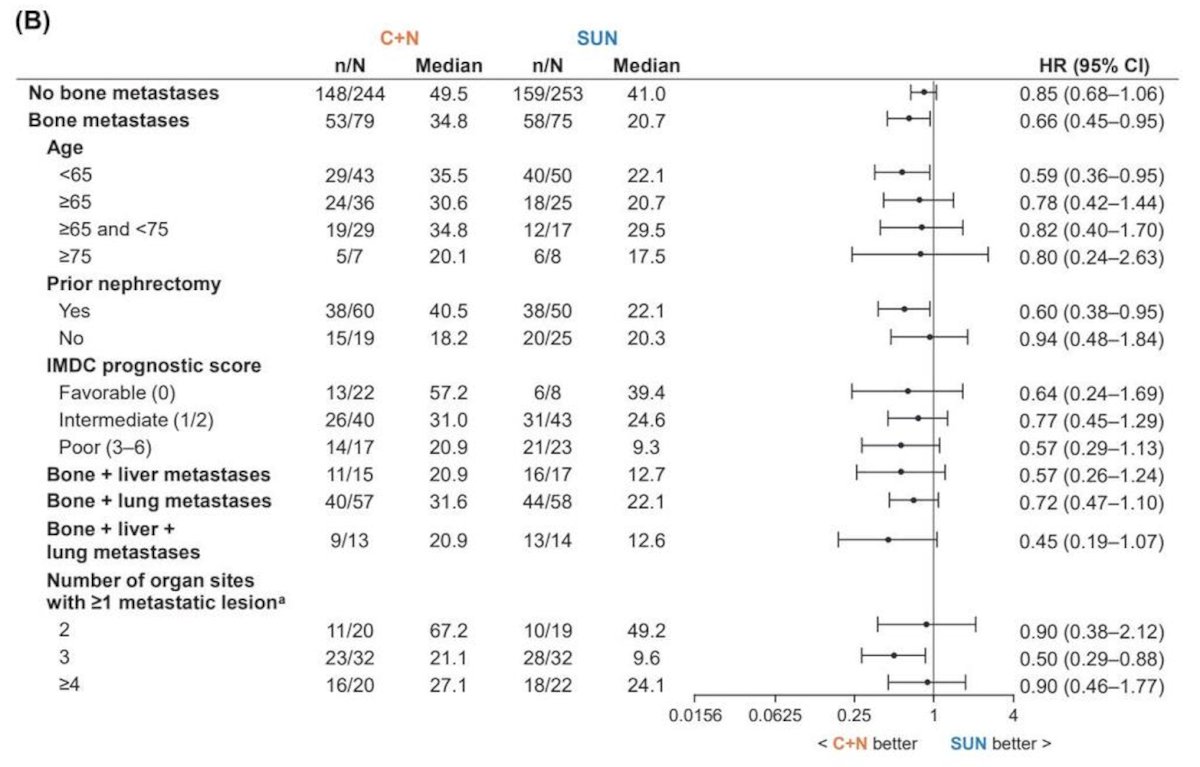
And the following Forest plot highlights overall survival:
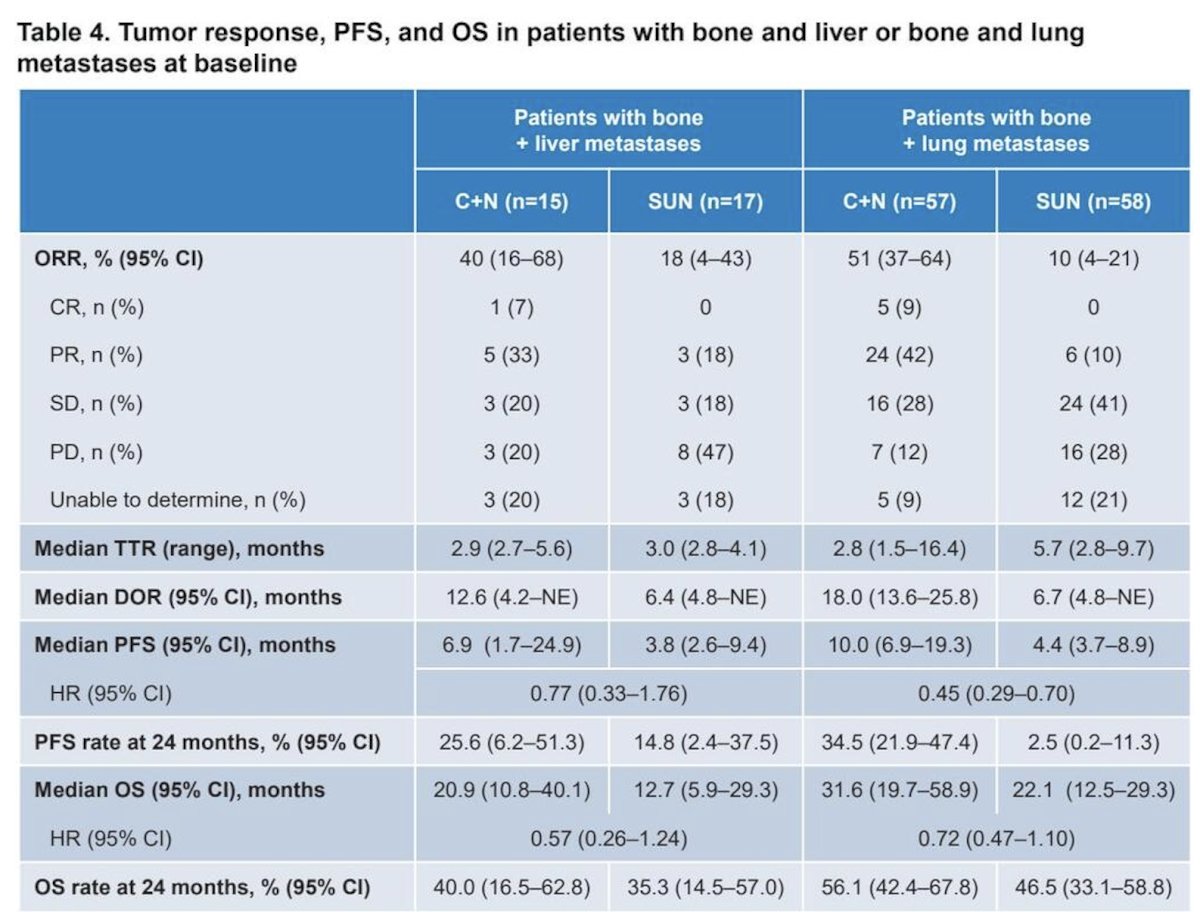
Rates of subsequent systemic anticancer therapy in the cabozantinib + nivolumab arm versus the sunitinib arm, respectively, were 41% versus 49% in patients with bone metastases and 40% versus 52% in patients without bone metastases. Clinical outcomes were also improved with cabozantinib + nivolumab versus sunitinib in patients with concomitant bone plus liver metastases and bone plus lung metastases:
Similarly, cabozantinib + nivolumab improved outcomes versus sunitinib in patients with concomitant bone, liver, and lung metastases. Median progression free survival was 6.9 versus 3.3 months, with 24-month progression free survival rates of 27.3% versus 8.0%, respectively. Median overall survival was 20.9 versus 12.6 months, with 24-month overall survival rates of 46.2% versus 28.6%. Objective response rate was 46% versus 21%, and median duration of response was 12.6 versus 6.4 months.
The safety profile of cabozantinib + nivolumab was similar among patients with and without bone metastases, and generally consistent with the overall population. The frequencies of grade 3/4 treatment related adverse events for cabozantinib + nivolumab versus sunitinib were 75% versus 42% in patients with bone metastases at baseline, and 66% versus 59% in patients without bone metastases. Among patients treated with cabozantinib + nivolumab, the most common grade 3/4 treatment related adverse events in patients with bone metastases were lipase increased (13%), hypertension (10%), and hyponatremia (10%). In patients without bone metastases, the most common grade 3/4 treatment related adverse events were hypertension (14%), diarrhea (9%), and palmar-plantar erythrodysesthesia syndrome (9%):
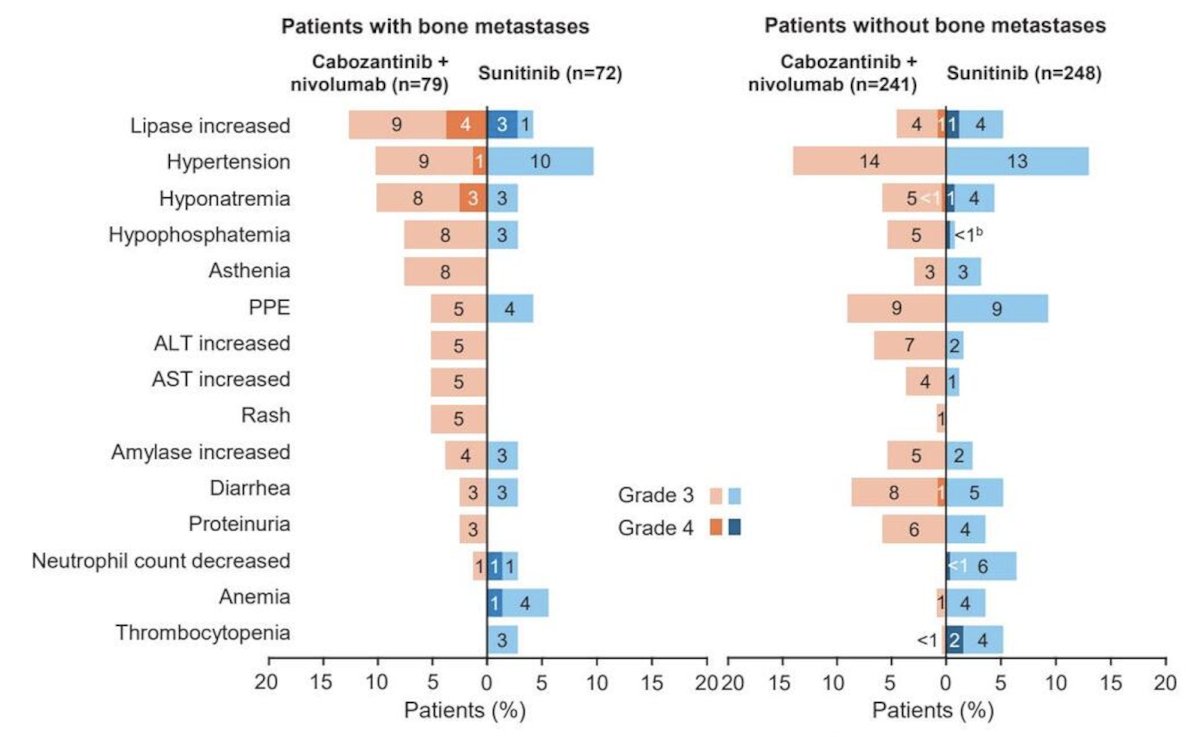
Dr. Apolo concluded her presentation discussing an updated subgroup analysis of the phase 3 CheckMate-9ER trial assessing cabozantinib + nivolumab versus sunitinib in patients with advanced RCC and bone metastasis with the following take home points:
- With additional follow-up of over 5 years, a consistent benefit was maintained for cabozantinib + nivolumab versus sunitinib in patients with or without bone metastases from advanced RCC at baseline
- Among patients with bone metastases, who typically have a poor prognosis, the benefit with cabozantinib + nivolumab versus sunitinib was consistent, regardless of concomitant metastases in the liver and/or lung
- The safety profile of cabozantinib + nivolumab was similar among patients with and without bone metastases and was consistent with the overall CheckMate 9ER population
Presented by: Andrea Apolo, MD, National Cancer Institute, Bethesda, MA
Written by: Zachary Klaassen, MD, MSc – Urologic Oncologist, Associate Professor of Urology, Georgia Cancer Center, Wellstar MCG Health, @zklaassen_md on Twitter during the American Society of Clinical Oncology Genitourinary (ASCO) Annual Meeting held in Chicago, IL between May 29th and June 1st, 2026
References:
- Choueiri TK, Powles T, Burotto M, et al. Nivolumab plus cabozantinib versus sunitinib for advanced renal-cell carcinoma. N Engl J Med. 2021 Mar 4;384(9):829-841.
- Motzer RJ, Escudier B, Burotto M, et al. Final analysis of nivolumab plus cabozantinib for advanced renal cell carcinoma from the randomized phase III CheckMate 9ER trial. Ann Oncol. 2026 Jan;37(1):33-43.