

(UroToday.com) The 2025 American Society of Clinical Oncology (ASCO) Annual Meeting held in Chicago, IL, was host to the Session New Frontiers in Prostate-Specific Membrane Antigen Radioligand Therapy. Dr. Louise Emmett discussed the Predictive and prognostic value of baseline PSMA-PET total tumor volume and SUV mean within ENZA-p, a randomized phase II trial of enzalutamide versus enzalutamide plus [177Lu] Lu-PSMA-617 (ANZUP1901).
Dr. Emmett highlighted findings from the TheraP trial demonstrating that higher baseline PSMA PET SUVmean is strongly predictive of improved PSA response (PSA50 RR) to LuPSMA therapy, but not to cabazitaxel. These results support the use of PSMA PET imaging as a predictive biomarker for patient selection in metastatic castration-resistant prostate cancer (mCRPC).1
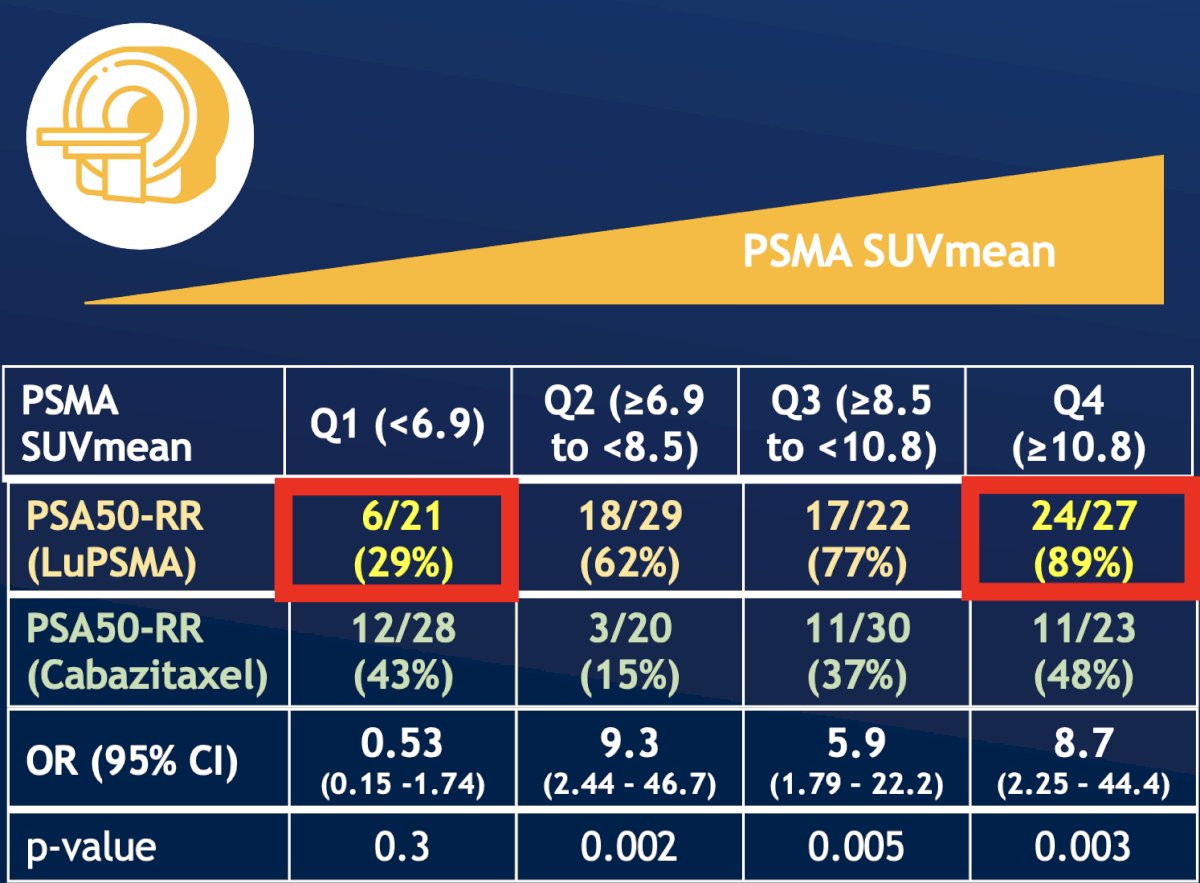
Moreover, PSMA total volume (PSMA-TV) has also been identified as a statistically significant negative prognostic factor for overall survival in patients treated with LuPSMA, further emphasizing the prognostic and predictive value of PSMA PET metrics in this setting.2 But there is no data for Enzalutamide.
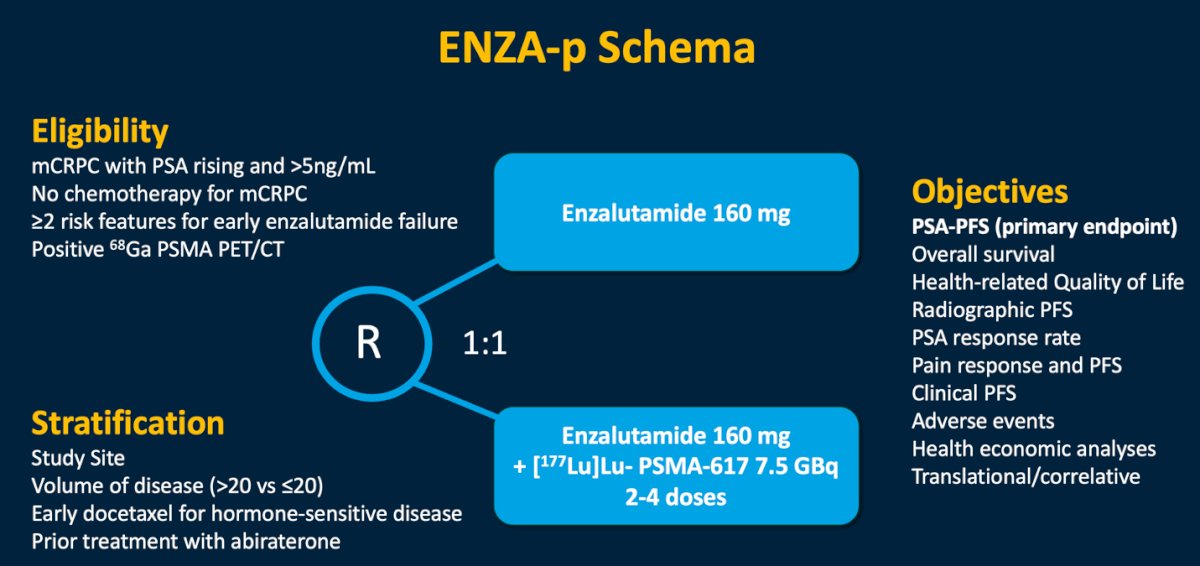
The ENZA-p trial is a randomized, phase 2 study designed to evaluate the addition of 177Lu-PSMA-617 to enzalutamide in men with metastatic castration-resistant prostate cancer (mCRPC) who have rising PSA levels >5 ng/mL, are chemotherapy-naïve for mCRPC, have a positive 68Ga PSMA PET/CT, and exhibit ≥2 risk factors for early enzalutamide failure.
Patients are randomized 1:1 to receive either enzalutamide 160 mg alone or in combination with 2–4 doses of 177Lu-PSMA-617 (7.5 GBq). The primary endpoint is PSA progression-free survival (PSA-PFS) it was strongly positive, and it has been previously published. The study schema is shown below.
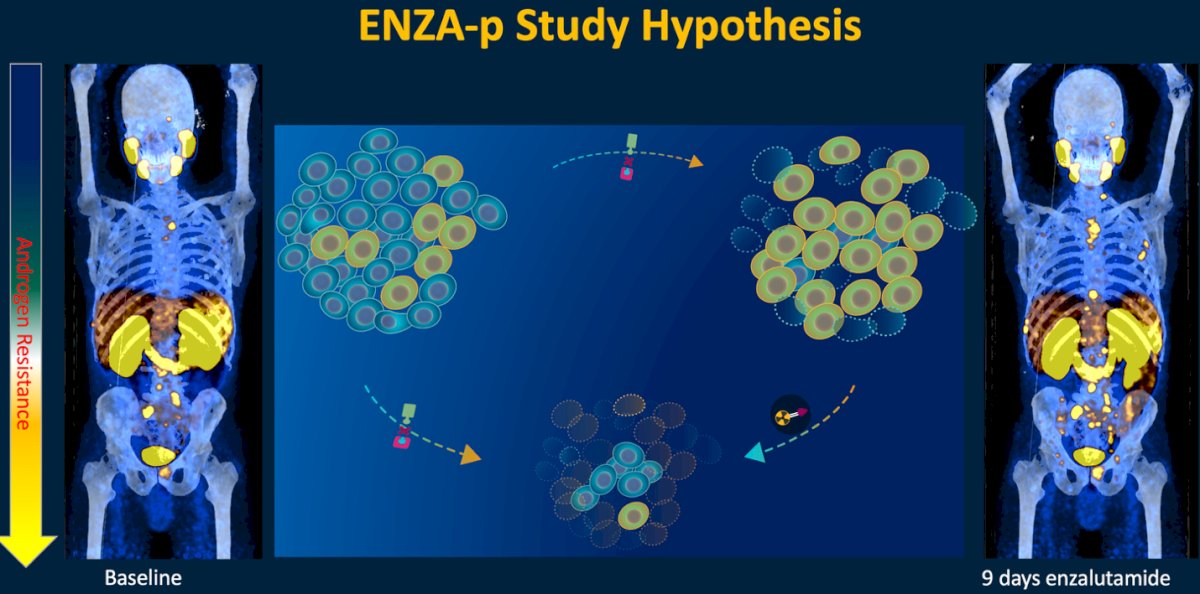
The ENZA-p trial is based on the hypothesis that treatment with 177Lu-PSMA-617 will selectively target and destroy PSMA-expressing metastatic castration-resistant prostate cancer (mCRPC) clones, thereby reducing tumor heterogeneity and sensitizing the remaining cancer cells to subsequent enzalutamide therapy. This approach aims to improve outcomes in patients with clinical features associated with early enzalutamide resistance by enhancing the efficacy of androgen receptor pathway inhibition.
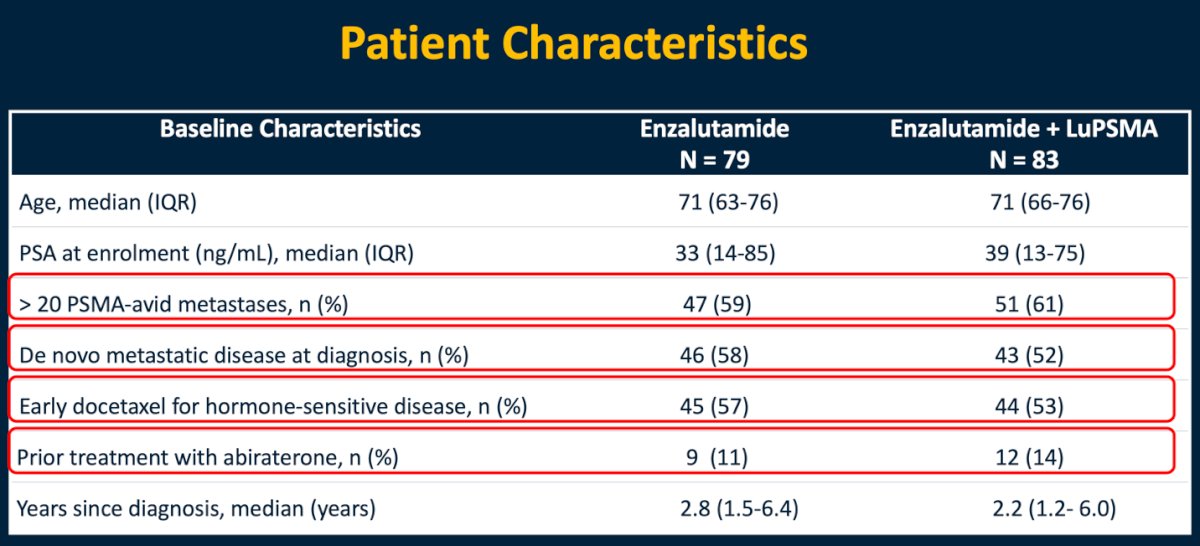
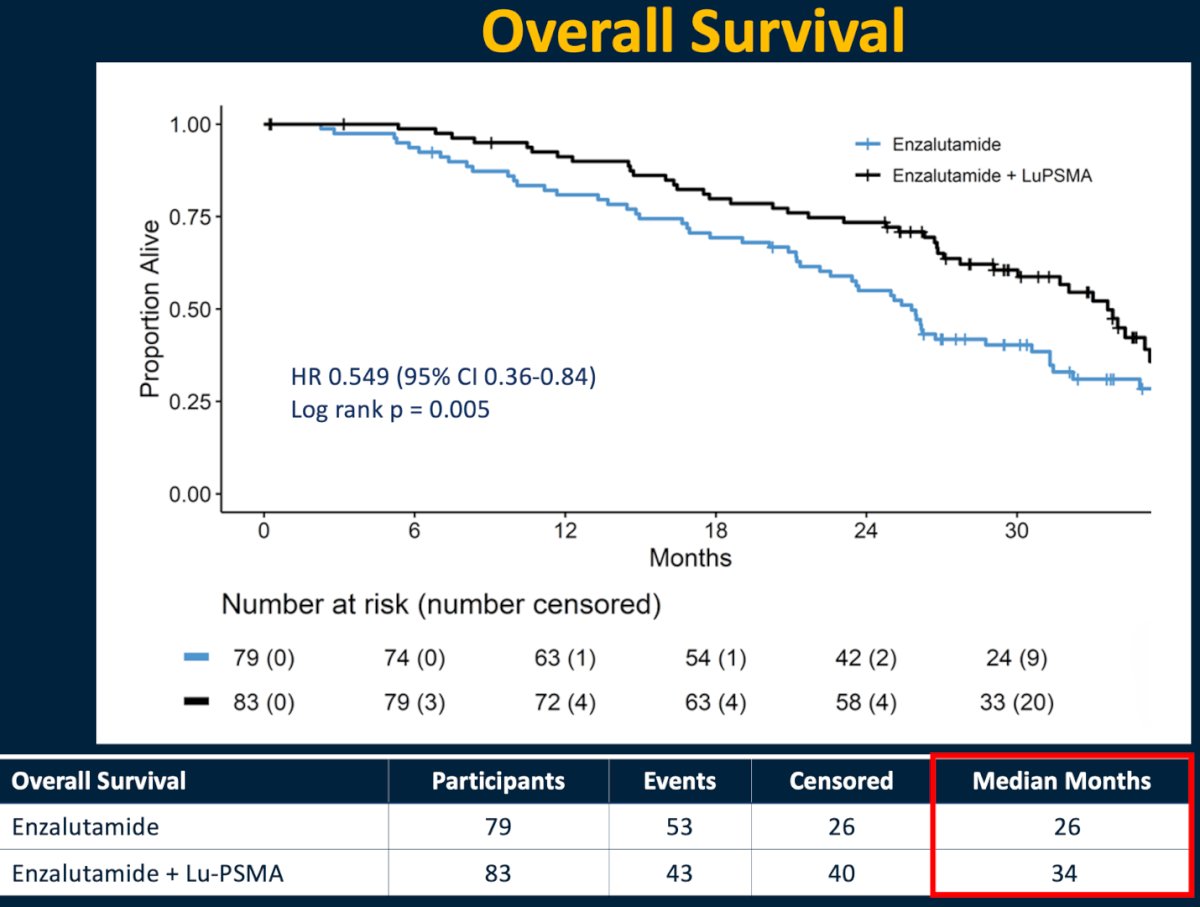
In the ENZA-p trial, 79 patients were randomized to receive enzalutamide alone, while 83 patients were assigned to the combination of enzalutamide plus 177Lu-PSMA-617. Notably, the treatment arms were well balanced with respect to key baseline characteristics, including the number of PSMA-avid metastatic lesions, prior use of early docetaxel for hormone-sensitive prostate cancer, and previous treatment with abiraterone, ensuring comparability between group as shown below.
Notably, the investigators observed a significant overall survival benefit in the combination arm, with a median OS of 34 months compared to 26 months in the enzalutamide monotherapy group (8-months difference). Interestingly, a higher proportion of patients in the enzalutamide-only arm went on to receive subsequent therapies (73%) compared to those in the combination group (58%).
PSMA-PET screening criteria for the ENZA-p trial required an SUVmax ≥15 at one site and ≥10 at all measurable sites. Dr. Emmett emphasized the importance of harmonized PET acquisition protocols across the 15 participating sites, including standardized camera use, image reconstruction, and real-time central quantification. Quantitative analysis was conducted through a cloud-based platform within 72 hours using the ANZUP MIM workflow, which applied SUVmax cutoffs of 3 and 0.2 mL for lesion segmentation. Quantitative metrics included SUVmean and total tumor volume. Patients underwent 68Ga-PSMA-11 PET imaging at baseline, day 15 (post-enzalutamide initiation), day 92, and at progression. The imaging screen failure rate was 18%.
A prespecified tertiary sub-study of the ENZA-p trial evaluated the association between baseline PSMA PET-derived quantitative tumor parameters and clinical outcomes, stratified by treatment received. The primary endpoint of the sub-study was overall survival, with PSA progression-free survival as the secondary endpoint and PSA 90% response rate as an exploratory endpoint. Quantitative imaging parameters included SUVmean, analyzed as Quartile 4 versus Quartiles 1–3 (with the 75th percentile threshold set at 9.8), and PSMA total tumor volume (TTV), assessed as above or below the median value of 234 mL.
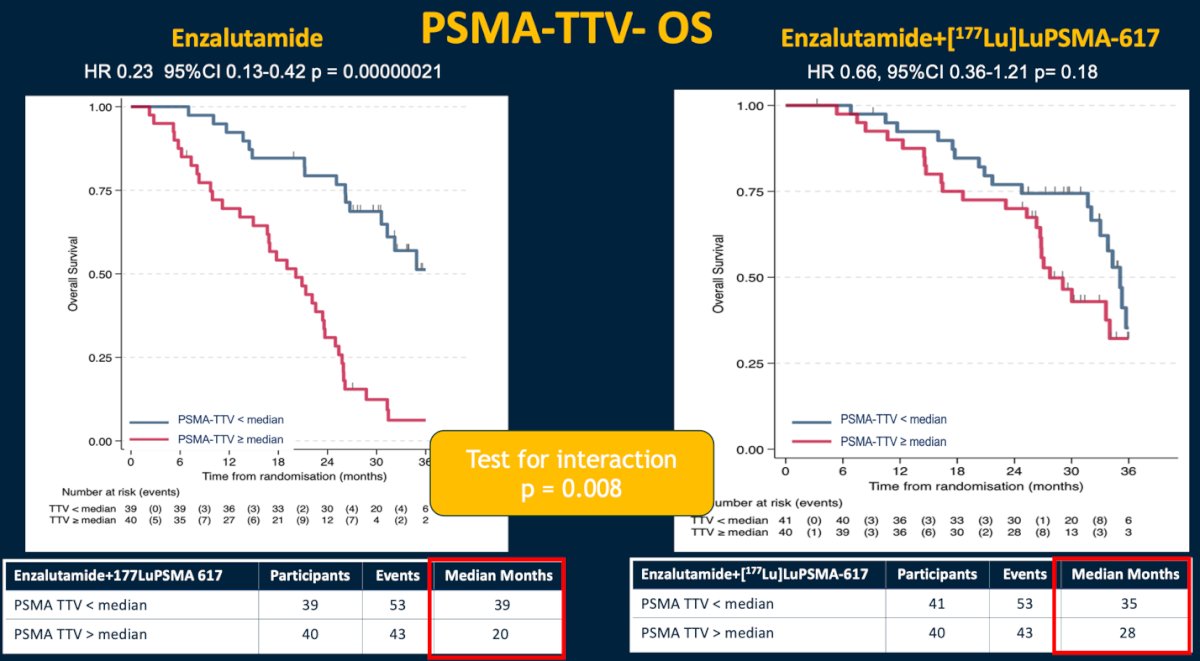
PSMA Total tumor volume (PSMA-TTV)In the enzalutamide monotherapy group, patients with PSMA TTV greater than or equal to the median experienced significantly worse overall survival compared to those with TTV below the median (median OS: 20 vs. 39 months; HR 0.23, 95% CI 0.13–0.42; p = 0.00000021). In contrast, within the enzalutamide plus 177Lu-PSMA-617 group, patients with lower TTV had a longer median OS (35 months vs. 28 months for those with TTV ≥ median), although this difference was not statistically significant (HR 0.66, 95% CI 0.36–1.21; p = 0.18). Notably, the test for interaction between treatment group and TTV level was significant (p = 0.08), suggesting that the prognostic impact of PSMA TTV may differ by treatment arm. Dr Emmett noted that PSMA TTV was predictive for OS in patients treated with 177Lu-PSMA-617.
The secondary endpoint of PSA progression-free survival (PSA-PFS) mirrored the overall survival findings. In the enzalutamide monotherapy group, PSMA-TTV was a significant predictor of PSA-PFS, with patients below the median TTV experiencing longer PSA-PFS (HR 0.31, 95% CI: 0.19–0.50). However, in the enzalutamide plus 177Lu-PSMA-617 group, PSMA-TTV was not significantly associated with PSA-PFS (HR 0.67, 95% CI: 0.40–1.11), reinforcing the notion that the addition of radioligand therapy may mitigate the negative prognostic impact of higher tumor burden.

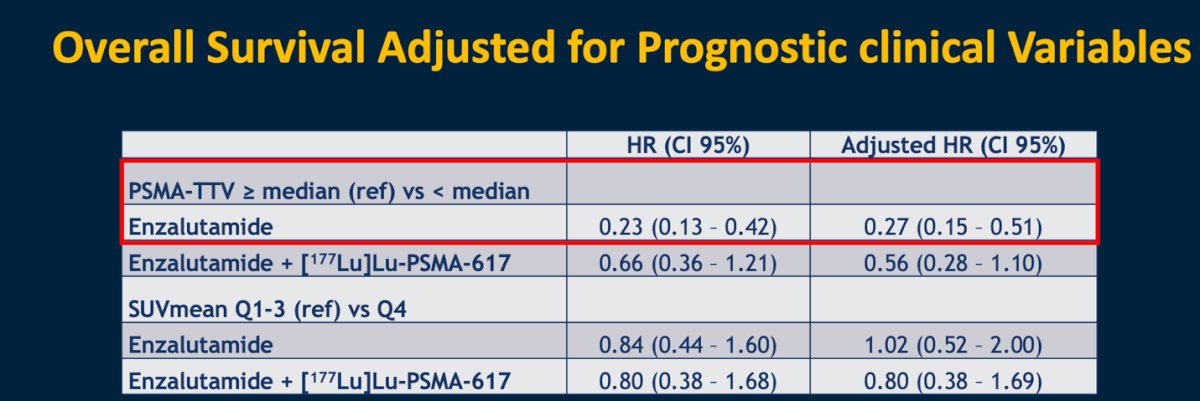
When adjusted for clinical prognostic variables, PSMA TTV remained a significant predictor of overall survival in the enzalutamide monotherapy group (adjusted HR 0.27, 95% CI: 0.15–0.51). In contrast, this association was not observed in the combination group receiving enzalutamide plus 177Lu-PSMA-617 (adjusted HR 0.56, 95% CI: 0.28–1.10), further suggesting that radioligand therapy may attenuate the negative prognostic impact of high tumor burden.
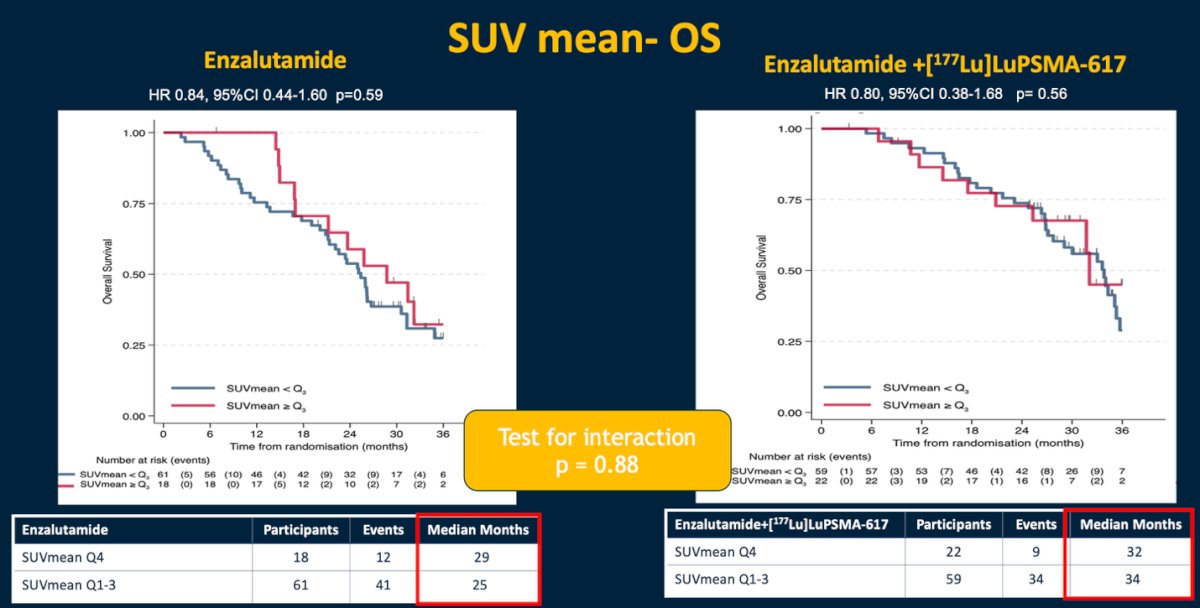
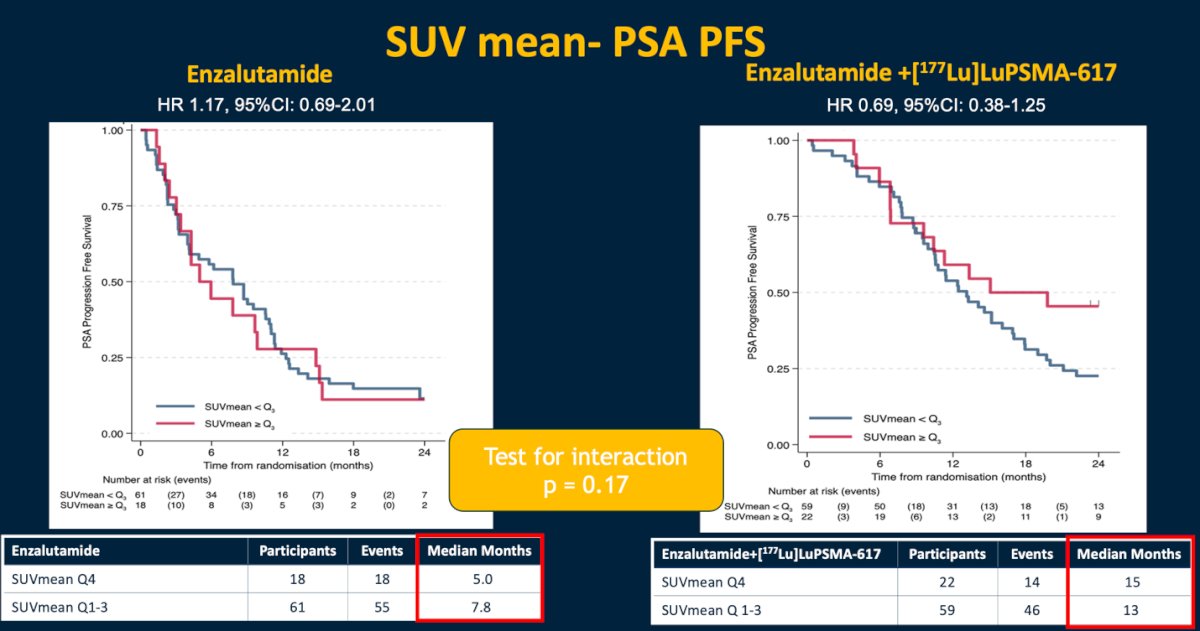
SUVmean was evaluated as a potential prognostic factor in both the enzalutamide monotherapy and combination treatment groups. Notably, SUVmean was not a significant predictor of overall survival in either group. In the enzalutamide arm, the hazard ratio was 0.84 (95% CI: 0.44–1.60; p=0.59), and in the combination arm, the hazard ratio was 0.80 (95% CI: 0.38–1.68; p=0.56), suggesting limited prognostic value of SUVmean in this setting.
Similarly, SUVmean was not a significant prognostic factor for PSA progression-free survival (PSA-PFS) in either treatment group, further indicating its limited predictive value in this clinical setting. The test for interaction was not significant (p=0.17)
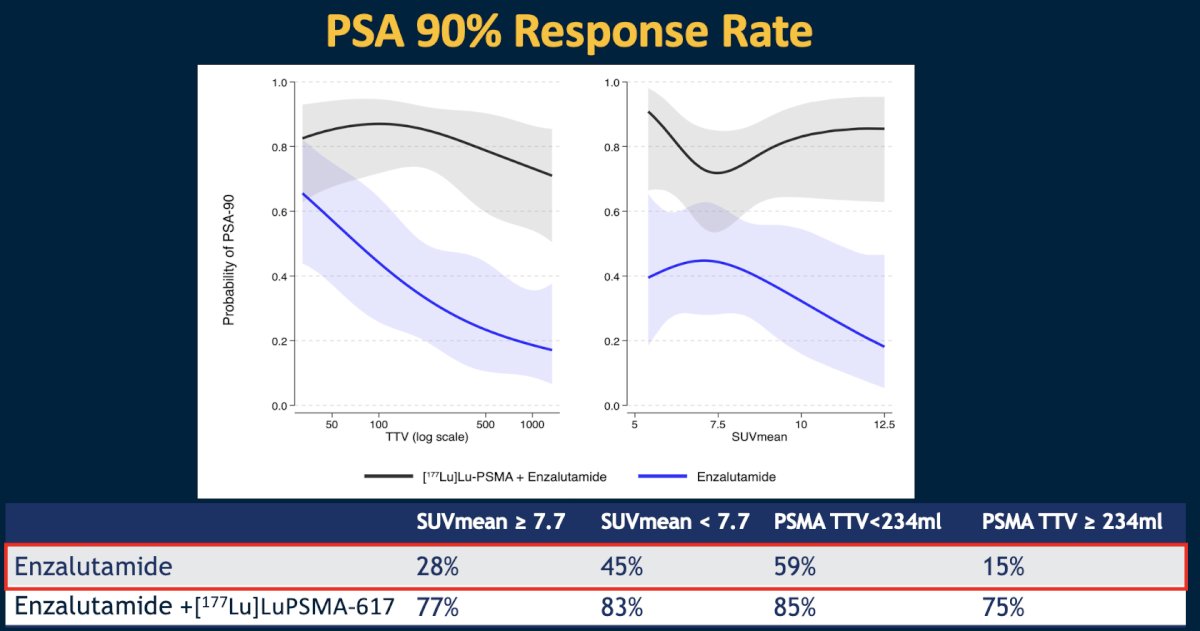
SUVmean and PSMA-TTV were predictive of achieving a PSA90 response (≥90% PSA decline) in the enzalutamide monotherapy group. Patients with SUVmean <7.7 had a higher PSA90 response rate (45%) compared to those with SUVmean ≥7.7 (28%). Similarly, those with PSMA-TTV <234 mL demonstrated a substantially higher response rate (59%) versus those with higher tumor volume (15%). In contrast, the addition of 177Lu-PSMA-617 to enzalutamide resulted in high PSA90 response rates across all subgroups.
Dr. Emmett concluded the presentation with the following key takeaways:
- This is the first trial to demonstrate the prognostic value of PSMA tumor volume for overall survival with enzalutamide monotherapy.
- Suggests broader potential for PSMA-PET as a biomarker in metastatic prostate cancer beyond its current use assessing suitability for 177Lu-PSMA-617 therapy.
- PSMA-TTV is also predictive of improved overall survival with the addition of 177Lu-PSMA-617 to enzalutamide in this high-risk population.
- SUVmean was not prognostic or predictive for progression-free or overall survival in patients receiving 177Lu-PSMA-617 plus enzalutamide.
- Lower PSMA SUVmean was associated with higher PSA90 response rates in patients treated with enzalutamide monotherapy.
- Study limitations include the use of first-line enzalutamide in the early mCRPC, pre-chemotherapy setting, and a selectively high-risk study population, which may limit generalizability to broader patient groups.
Presented by: Louise Emmett, MD, FRACP, MBChB, Department of Theranostics and Nuclear Medicine, St Vincent's Hospital; Faculty of Medicine, University of New South Wales, Sydney
Written by: Julian Chavarriaga, MD – Urologic Oncologist at Cancer Treatment and Research Center (CTIC) via Society of Urologic Oncology (SUO) Fellow at The University of Toronto. @chavarriagaj on Twitter during the American Society of Clinical Oncology (ASCO) 2025 Annual Meeting, Chicago, IL, Fri, May 30 – Tues, Jun 3, 2025.
Related content: PSMA PET Scans Predict Enzalutamide Efficacy in Metastatic Prostate Cancer - Louise Emmett
Reference:
- Buteau J, Martin AJ, Emmett L, et al. 177Lu-PSMA-617 versus cabazitaxel in patients with metastatic castration-resistant prostate cancer (TheraP): a randomized, open-label, phase 2 trial. Lancet Oncol. 2022;23(11):1389–1397. doi:10.1016/S1470-2045(22)00521-2
- Seifert R, Kessel K, Schlack K, Weber M, Herrmann K, Spanke M, Fendler WP, Hadaschik B, Kleesiek J, Schäfers M, Weckesser M, Boegemann M, Rahbar K. PSMA PET total tumor volume predicts outcome of patients with advanced prostate cancer receiving [177Lu]Lu-PSMA-617 radioligand therapy in a bicentric analysis. Eur J Nucl Med Mol Imaging. 2021 Apr;48(4):1200-1210. doi: 10.1007/s00259-020-05040-1. Epub 2020 Sep 24. PMID: 32970216; PMCID: PMC8041668.
- Emmett L, Subramaniam S, Crumbaker M, Joshua AM, Sandhu S, Nguyen A, Weickhardt A, Lee ST, Ng S, Francis RJ, Goh JC, Pattison DA, Tan TH, Kirkwood ID, Gedye C, Rutherford NK, Kumar ASR, Pook D, Ramdave S, Nadebaum DP, Voskoboynik M, Redfern AD, Macdonald W, Krieger L, Schembri G, Chua W, Lin P, Horvath L, Bastick P, Butler P, Zhang AY, McJannett M, Thomas H, Langford A, Hofman MS, Martin AJ, Davis ID, Stockler MR; ENZA-p Trial Investigators; Australian and New Zealand Urogenital and Prostate Cancer Trials Group. Overall survival and quality of life with [177Lu]Lu-PSMA-617 plus enzalutamide versus enzalutamide alone in metastatic castration-resistant prostate cancer (ENZA-p): secondary outcomes from a multicentre, open-label, randomised, phase 2 trial. Lancet Oncol. 2025 Mar;26(3):291-299. doi: 10.1016/S1470-2045(25)00009-9. Epub 2025 Feb 13. PMID: 39956124.