

(UroToday.com) The 2025 American Society of Clinical Oncology (ASCO) Annual Meeting, held in Chicago, IL, was host to a biomarkers in kidney cancer session. Dr. David Braun presented the results of an integrative analysis of circulating and tumor microenvironment determinants of patient response in the Checkmate 9ER trial of nivolumab and cabozantinib in advanced renal cell carcinoma (RCC).
Dr. Braun highlighted that RCC has a distinct immuno-biology, compared with other solid tumors.1 The determinants of response to immune checkpoint inhibitors (ICIs) and tyrosine kinase inhibitors (TKIs) remain largely undefined in RCC. Most biomarker studies in RCC have examined only one feature at a time and have been shown to be modestly associated with response/resistance:2
- Genomic alterations3,4
- Tumor microenvironment5,6
- Tumor-infiltrating T-cell phenotype7,8
- Circulating immune factors9,10
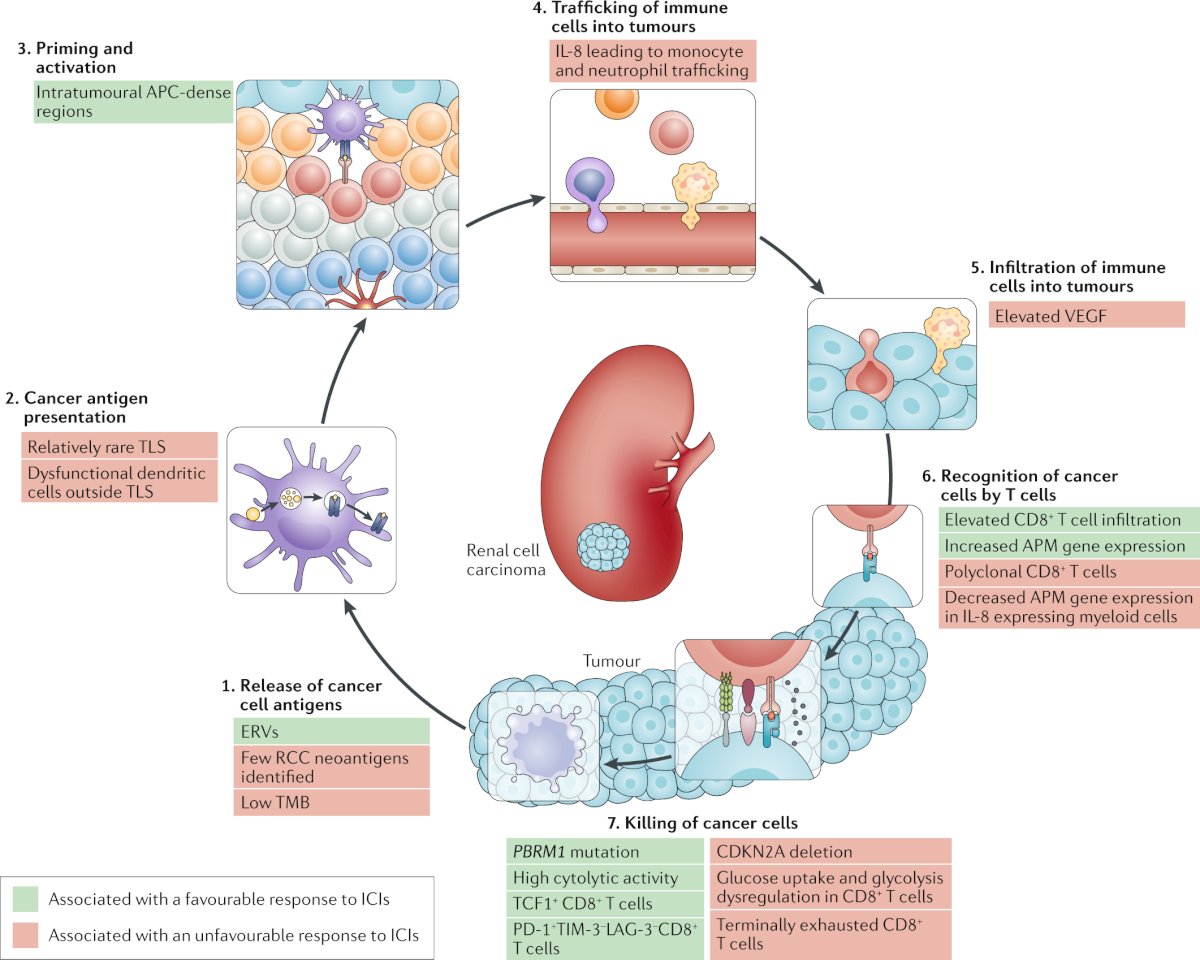
As such, Dr. Braun and colleagues hypothesized that integrating multiple biomarkers may improve the prediction of treatment response/resistance.
CheckMate-9ER was a phase III trial in the front-line setting for metastatic clear cell RCC. Eligible patients were randomized 1:1 to nivolumab + cabozantinib or sunitinib. The primary study endpoint was progression-free survival, with secondary endpoints of overall survival, overall response rate, and safety. Patients in the intervention arm of nivolumab + cabozantinib had superior progression-free (median: 16.4 versus 8.3 months; HR: 0.58, 95% CI: 0.59–0.70) and overall survivals (median: 46.5 versus 35.5 months; HR: 0.79, 95% CI: 0.65–0.96).11
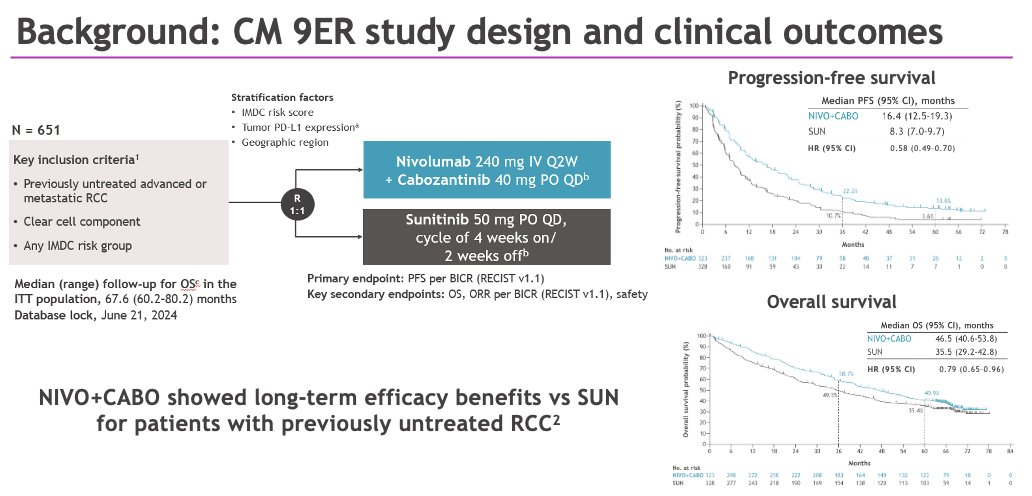
In this ad hoc analysis of the CheckMate-9ER trial, Dr. Braun and colleagues utilized tumor (primary and metastatic) and peripheral blood biomarkers in an integrated manner to predict clinical outcomes and treatment responses.
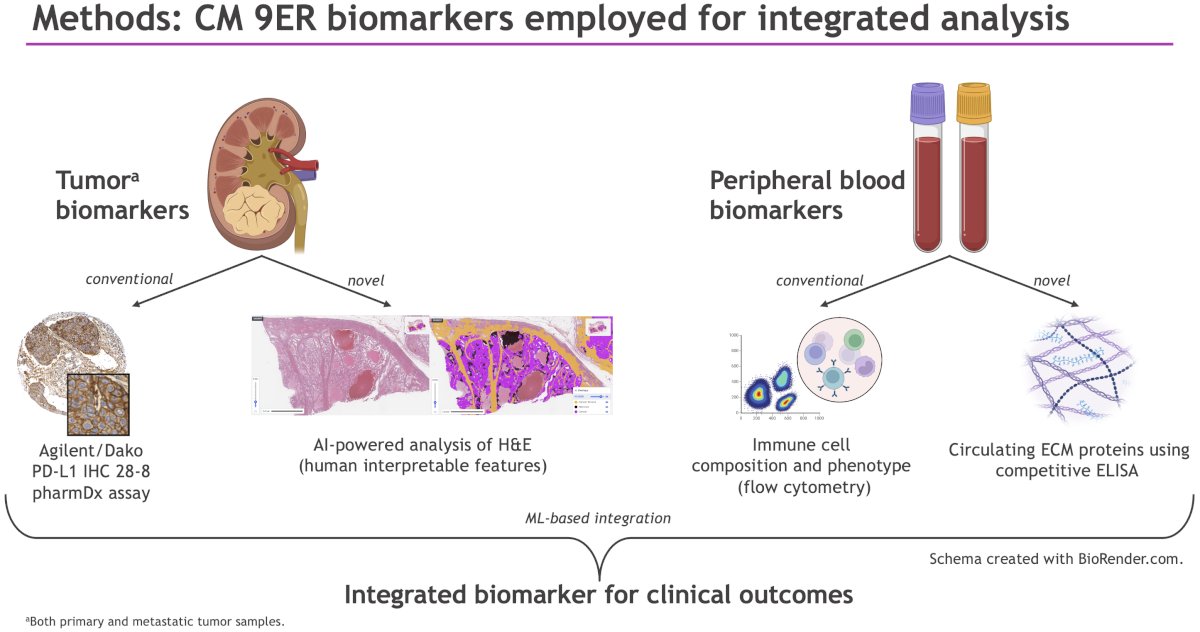
H&E-stained whole-slide images were analyzed using artificial intelligence (AI)-powered platforms (PathExplore, PathAI) to achieve single-cell resolution mapping of the tumor microenvironment (TME). Human interpretable features included cell type proportions, spatial architecture, and phenotypes, and were used to support biomarker discovery and patient stratification. The human interpretable features were integrated with clinical data to support exploratory analyses and outcome association studies.
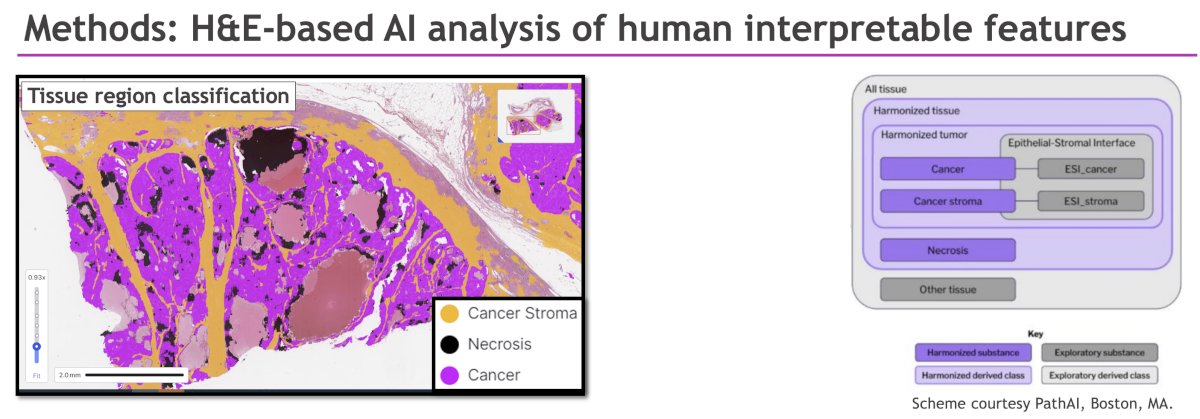
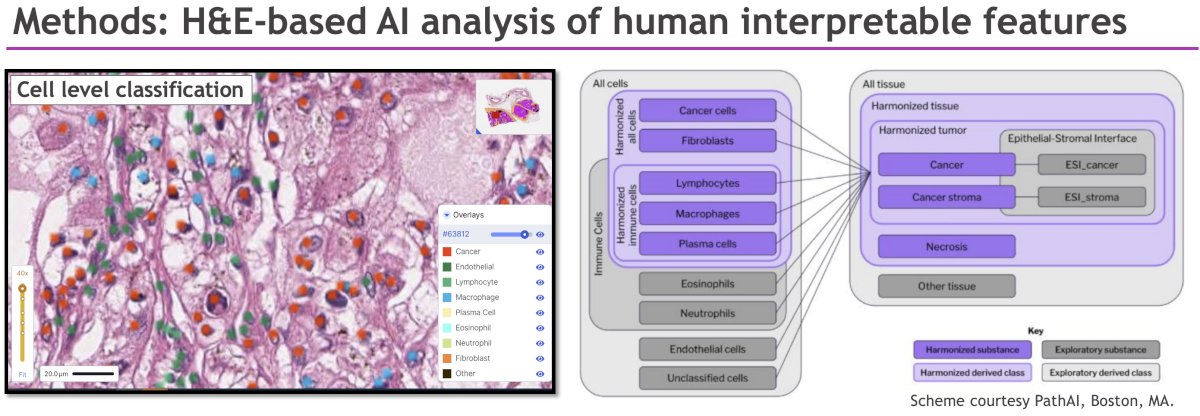
What were the associations between the human interpretable features and PD-L1 subgroups/clinical outcomes? Subjects with PD-L1 ≥ 1% had higher % stromal area and lower % endothelial cells in the tumor. High endothelial cell levels were associated with improved PFS with both nivolumab + cabozantinib and sunitinib.

What were the associations between extracellular matrix (ECM) biomarkers and PFS? ECM alterations in tumors fuel cycles of stromal dissemination, enriching for fibroblasts, desmoplasia, immunosuppression, and tumor progression, leading to poor efficacy of interventions. ECM circulating fragments were measured in serum via competitive Elisa (Nordic Bioscience), and these markers have been helpful in understanding tumor biology and their relationship with clinical outcomes.
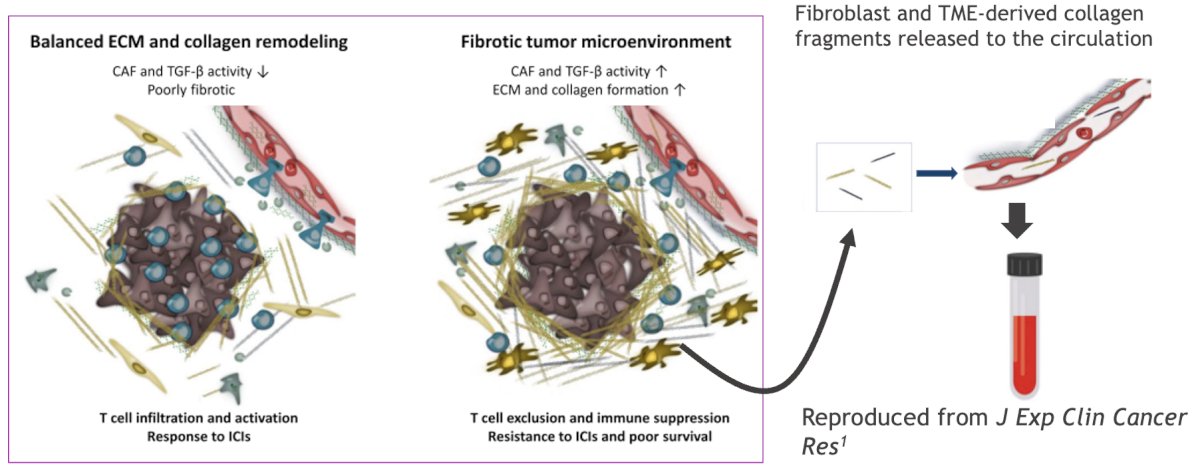
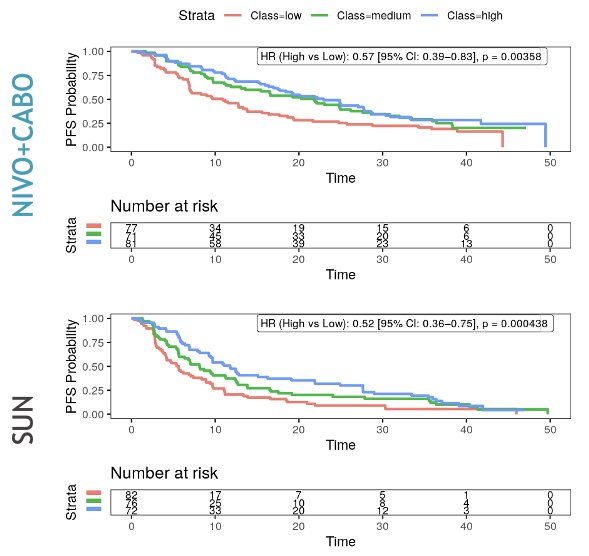
ECM biomarkers were significantly upregulated in RCC, as compared with healthy volunteers at baseline. ECM biomarkers were positively associated with IMDC criteria (higher in poor risk), and a subset of ECM markers were significantly increased in sarcomatoid histology. Higher ECM biomarker levels were associated with worse PFS and OS in the nivolumab + cabozantinib arm:
- Associated with PFS: Pro-C3, Pro-C6, TUM, Pro-C22
- Associated with OS: Pro-C3, Pro-C6, TUM, Pro-C19, C6M, Pro-C22, TGF-beta

Next, an integrative, multivariable machine learning model was employed to identify features associated with response to nivolumab + cabozantinib.
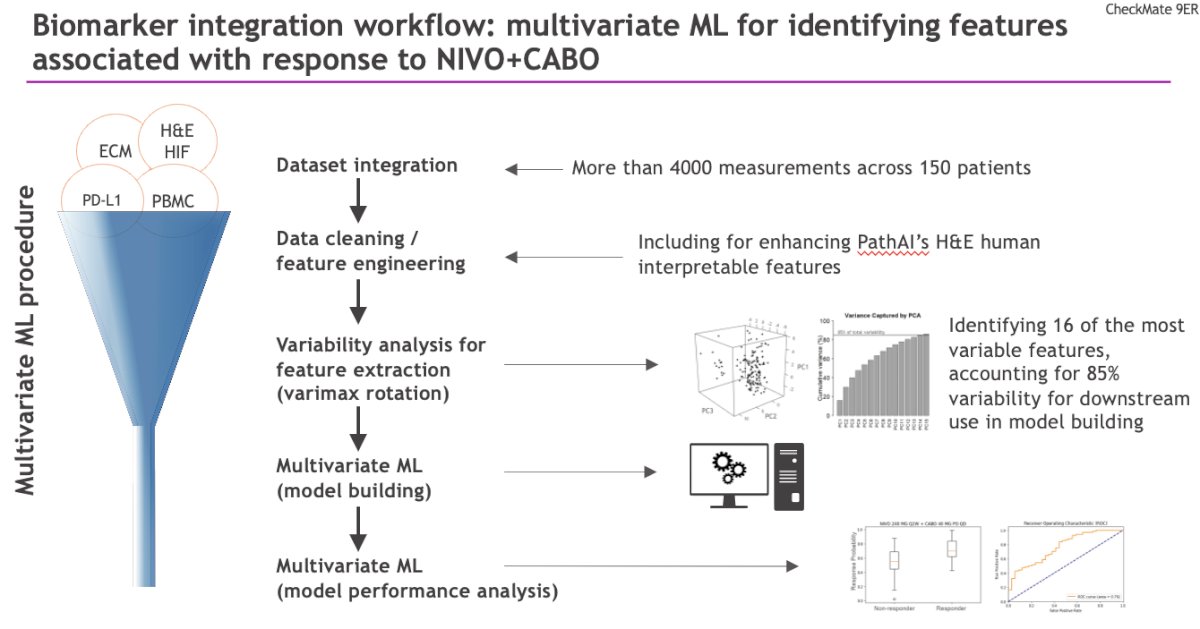
A total of 16 variable features were identified with varimax rotation: PD-L1 staining, 4 ECM markers, 4 peripheral blood mononuclear cells (PBMC) markers, and 7 H&E human interpretable features. Of these 16 features, 6 were predictive of response to nivolumab + cabozantinib.
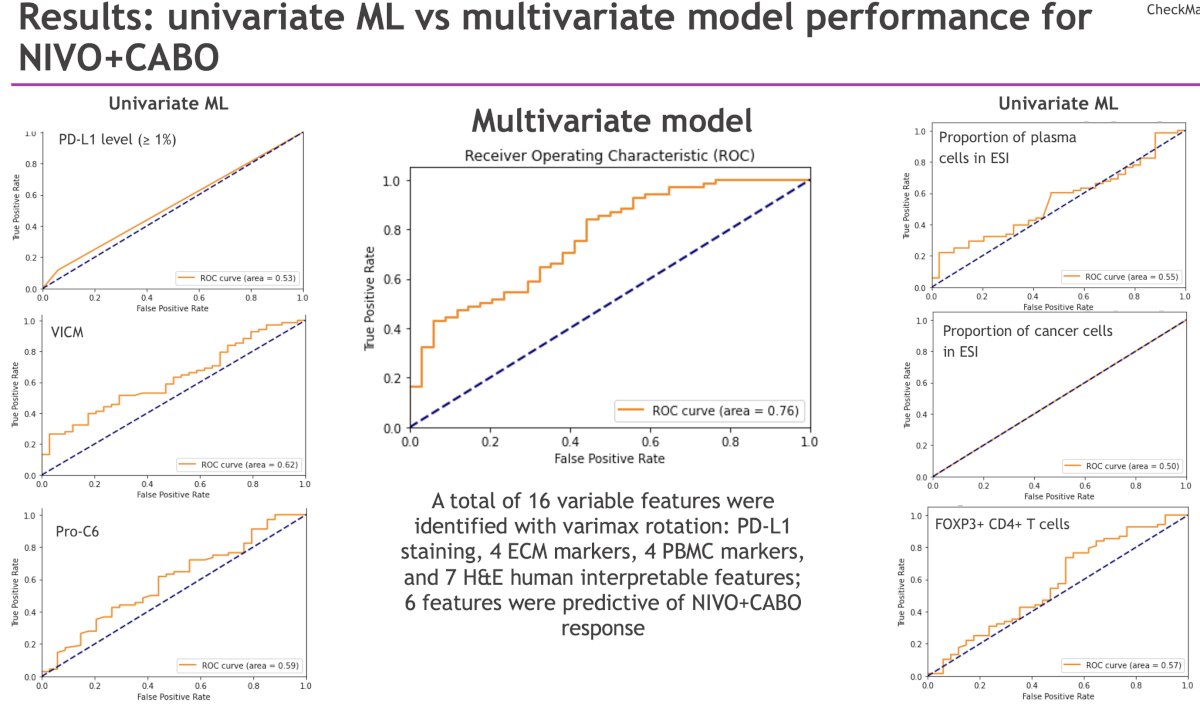
Of the 16 most variable features identified, only 10 were predictive of outcomes.
Machine learning models incorporating features across assay types for both nivolumab + cabozantinib and sunitinib models showed good performance for differentiating responders and non-responders in the training data.
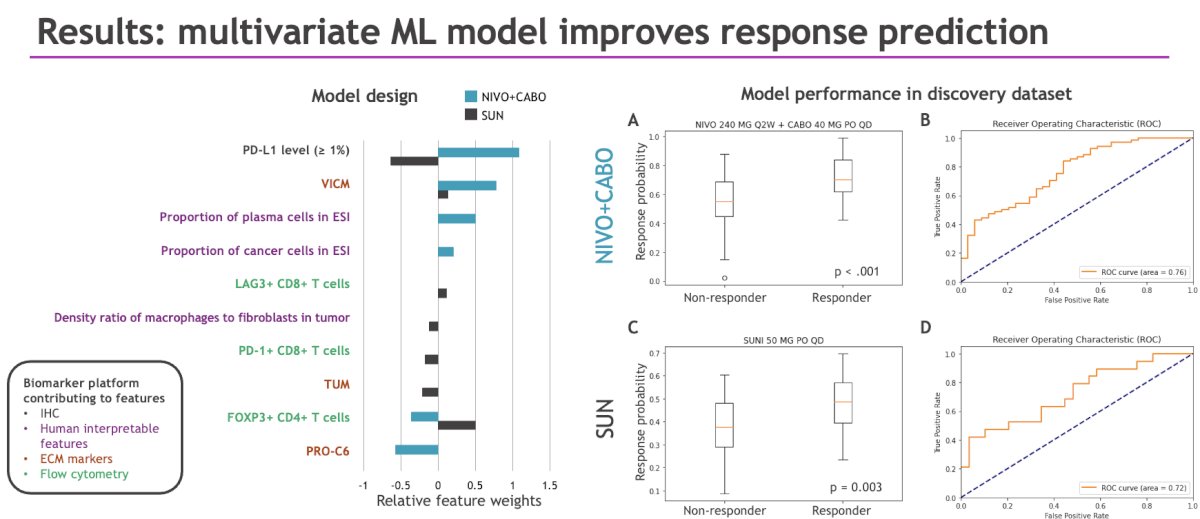
Dr. Braun noted that currently available AI and machine learning models trained on short-term outcome data (e.g., responder versus non-responder) help elucidate mechanisms of response and resistance. The next step is to incorporate these results into clinical trial forecasting algorithms that use tumor growth kinetics, population-level survival information for patients treated with standard of care, and model-based response probabilities to forecast long-term survival in populations treated with a trial drug.
Dr. Braun concluded his presentation as follows:
- Most biomarker studies in RCC have examined one feature at a time and have shown modest associations with response/resistance
- Both tumor and circulating biomarkers were evaluated in this post hoc analysis of CheckMate-9ER:
- Patients with RCC with higher endothelial cell in tumor showed favorable PFS with both nivolumab + cabozantinib and sunitinib
- In contrast, lower levels of circulating extracellular matrix were predictive of favorable PFS with nivolumab + cabozantinib
- Integrating diverse biomarkers using a machine learning-based approach improves the prediction of clinical outcomes, as compared with individual biomarkers
- These findings indicate that the state of the tumor microenvironment and circulating factors together influence patient responsiveness to nivolumab + cabozantinib in RCC and provide a framework for integrative analysis for biomarker discovery
- Limitations to this study included an analysis of a discovery dataset only, with limited features:
- There is a need to integrate additional features into the model (T-cell phenotype, genetics, molecular subtype, etc) and a need to evaluate prognostic/predictive potential in additional clinical trials
Presented by: David A. Braun, MD, PhD, Assistant Professor of Medicine (Medical Oncology), Center of Molecular and Cellular Oncology (CMCO), Yale Medicine, New Haven, CT
Written by: Rashid K. Sayyid, MD, MSc – Robotic Urologic Oncology Fellow at The University of Southern California, @rksayyid on Twitter during the American Society of Clinical Oncology (ASCO) 2025 Annual Meeting, Chicago, IL, Fri, May 30 – Tues, Jun 3, 2025.
References:
- Braun DA, Hou Y, Bakouny Z, et al. Clinical trial design in renal cell carcinoma: current status and future directions. Nat Rev Clin Oncol. 2021;18(4):199–214.
- Saliby RM, Karzai F, Lo W, et al. Translating immunotherapy biomarkers into the clinic: current approaches and challenges. Am Soc Clin Oncol Educ Book. 2024;44:e430734.
- Braun DA, Ishii Y, Walsh AM, et al. Progressive immune dysfunction with advancing disease stage in renal cell carcinoma. Nat Med. 2020;26(6):909–18.
- Jammihal T, Becker M, Al-Salama K, et al. Spatially resolved single-cell analysis of immune landscapes in renal cancer. Nat Cancer. 2025;6(4):372–84.
- McDermott DF, Huseni MA, Atkins MB, et al. Clinical activity and molecular correlates of response to atezolizumab alone or in combination with bevacizumab in renal cell carcinoma. Nat Med. 2018;24(6):749–57.
- Motzer RJ, Robbins PB, Powles T, et al. Avelumab plus axitinib versus sunitinib for advanced renal-cell carcinoma. Cancer Cell. 2020;38(6):803–17.
- Denize T, Liu J, Hodi FS, et al. Tumor immune microenvironment evolution and response to immune checkpoint blockade in renal cancer. Clin Cancer Res. 2024;30(4):803–13.
- Hugaboom MB, Chen Z, Faruqi T, et al. Epigenetic mechanisms of resistance to immune checkpoint inhibitors in kidney cancer. Cancer Discov. 2025;15(5):948–68.
- Saliby RM, Althoff KN, Li X, et al. T-cell functional states correlate with immune checkpoint therapy responses in renal cancer. Cancer Immunol Res. 2023;11(10):1114–24.
- Hwang J, Lee K, Chang HY, et al. Multi-omic dissection of immune resistance in clear cell renal carcinoma. JCI Insight. 2025;10:e185963.
- Choueiri TK, Powles T, Burotto M, et al. Nivolumab plus cabozantinib versus sunitinib for advanced renal-cell carcinoma. N Engl J Med. 2021;384(9):829-841.