

(UroToday.com) The 2025 PSMA and Beyond annual meeting featured a LuPSMA therapy session and a presentation by Dr. Dustin Boothe discussing PSMA radioligand therapy in a radiation oncology private center. The geographic footprint of Dr. Boothe’s two practice affiliations is very broad across the Mountain West:
- Intermountain Health: covers 7 states, 25 hospitals, and includes 40 medical oncologists, 15 radiation oncologists, along with independent radiology partners
- Utah Cancer Specialists: covers 3 states, are in 10 locations, and has 21 medical oncologists, 9 radiation oncologists, along with independent radiology partner.
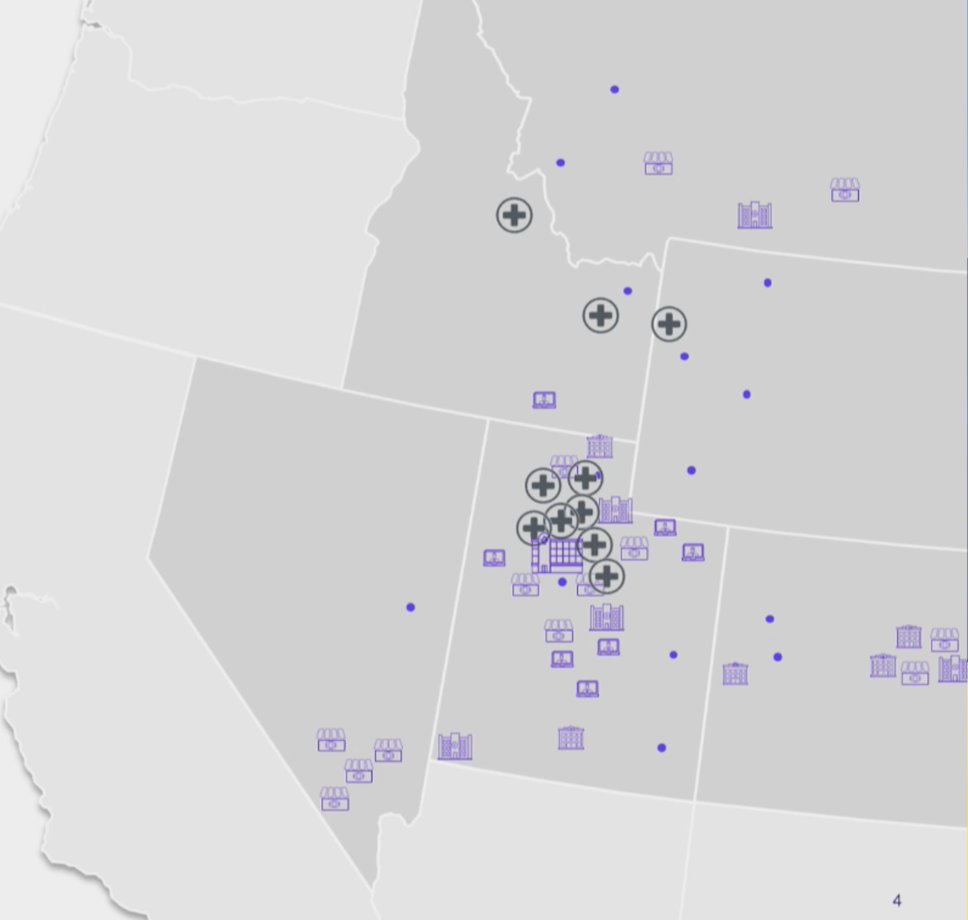
Intermountain Health launched a PSMA radioligand therapy program in 2022, with one central location in Salt Lake City, UT. This one location serviced patients from all seven states and one radiation oncologist was the only authorized user. Dr. Boothe notes that there were several challenges for their program:
- Winter weather led to treatment discontinuations and fewer new starts
- Logistical challenges with managing patients remotely
- Referrals for patients with no history of chemotherapy and/or no PSMA avidity
Dr. Boothe and his partners had to assess how they would scale radioligand therapy deliver to address a population’s needs without compromising quality. The Intermountain Health radioligand principles of quality are access focused, outcome drive, and guideline adherent. There are several principles versus the practice setting that must be taken into consideration:
- An authorized user provides continuity of care
- Face to face encounters
- Nuclear medicine reads of the PSMA PET images
- Infusion by nuclear medicine technicians
- Centralized radioligand therapy tumor board

Dr. Boothe acknowledges that initially there was a bit of a turf war (organizational pathology) as to who should be the authorized user, which was counterproductive from an access perspective. Ultimately, the highest quality of care is achieved with a multidisciplinary involvement. Currently, a multidisciplinary radioligand therapy approach takes a shared authorized user model, which is divided based on presentation, and is based on likelihood of incorporating external beam radiation.
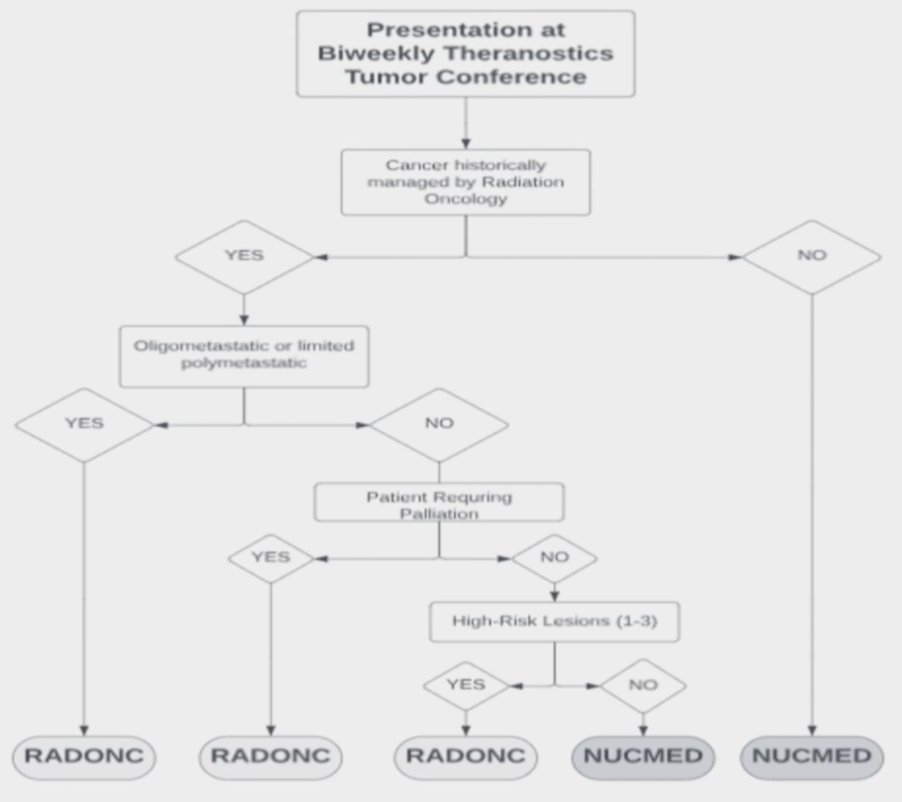
For their team, the “dream” was for a 1:1 ratio at every site with regard to a radiation oncologist and nuclear medicine physician or radiologist. The “reality” is that this is based on willing authorized users, which includes 2 nuclear medicine physicians or radiologists, and 10+ radiation oncologists. This reality led to a hub (Salt Lake City) and spoke (Saint George, Denver, Provo, Billings, Grand Junction, Ogden) model:
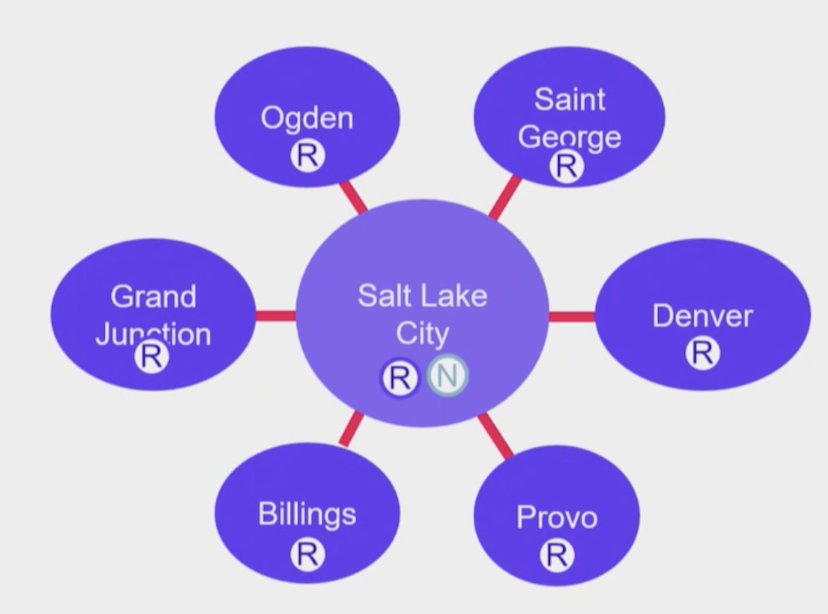
The hub includes nuclear medicine physicians and radiation oncologists as authorized users, has system wide administrative support, and runs clinical trials. The spokes have a radiation oncologist authorized user due to staffing availability, have face to face for continuity of care, and maintain referral pathways. The radioligand therapy tumor board meets biweekly, discusses all new radioligand therapy cases in the system, is attended by all team members, and assesses patients for clinical trial appropriateness. Dr. Boothe’s team’s radioligand therapy program timeline is as follows:
- 2022: first PSMA radioligand dose given
- 2023: multi-disciplinary program implemented
- 2023: SPECT/CT program launched
- 2023: opened 3 additional sites
- 2024: first PSMA radioligand therapy trial opens
- 2024: receipt of a SNMMI Mars Shot grant for remote dosimetry
- 2025: first clinical dosimetry patient
- 2025: phase 1 radioligand therapy trial opens
- 2025: opened 2 additional sites
Ultimately, this initiative has led to an improvement in patient access. In December 2023, there were 0 patients in their center from southern Utah, and in March 2025 there were 22 patients from southern Utah.
Dr. Boothe concluded his presentation by discussing PSMA radioligand therapy in a radiation oncology private center with the following take home points:
- Health system-based radioligand therapy requires a thoughtful and concerted effort to address population needs
- Multi-disciplinary programs including both radiation oncology and nuclear medicine can work together to deliver high quality radioligand therapy in the community
Presented by: Dustin Boothe, MD, Intermountain Health and Utah Cancer Specialists, Salt Lake City, UT
Written by: Zachary Klaassen, MD, MSc – Urologic Oncologist, Associate Professor of Urology, Georgia Cancer Center, Wellstar MCG Health, @zklaassen_md on Twitter during the 2025 PSMA and Beyond Annual Meeting, Los Angeles, CA, Fri, Mar 28 – Sat, Mar 29, 2025.